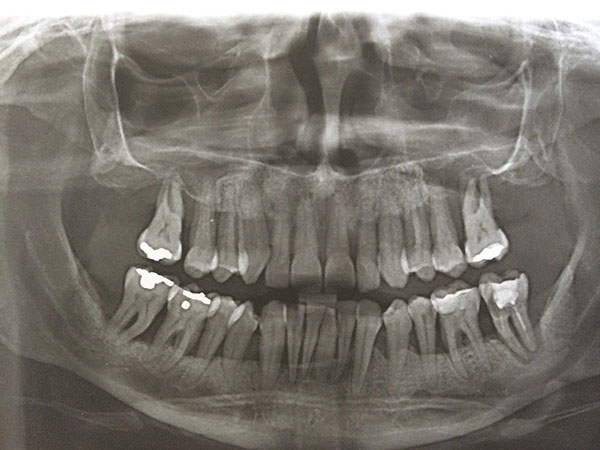
Dental Implants
Dental implants in Mexico City: rehabilitation options, zygomatic and subperiosteal implants, with clinical cases.
Dental implants are an option to replace missing teeth and restore function and aesthetics. In addition to improving chewing, they can help restore confidence when speaking or smiling.
Am I a candidate for dental implants?
If you or someone you know is experiencing any of the following issues, you may consider treatment with dental implants:
- Loss of one or more teeth.
- Loose or partial dentures.
- Unattractive changes in facial appearance.
- Lack of confidence when speaking or laughing.
- Difficulty chewing certain foods.
- Possible loss of a fixed prosthesis when a natural tooth becomes weakened.
What are dental implants?
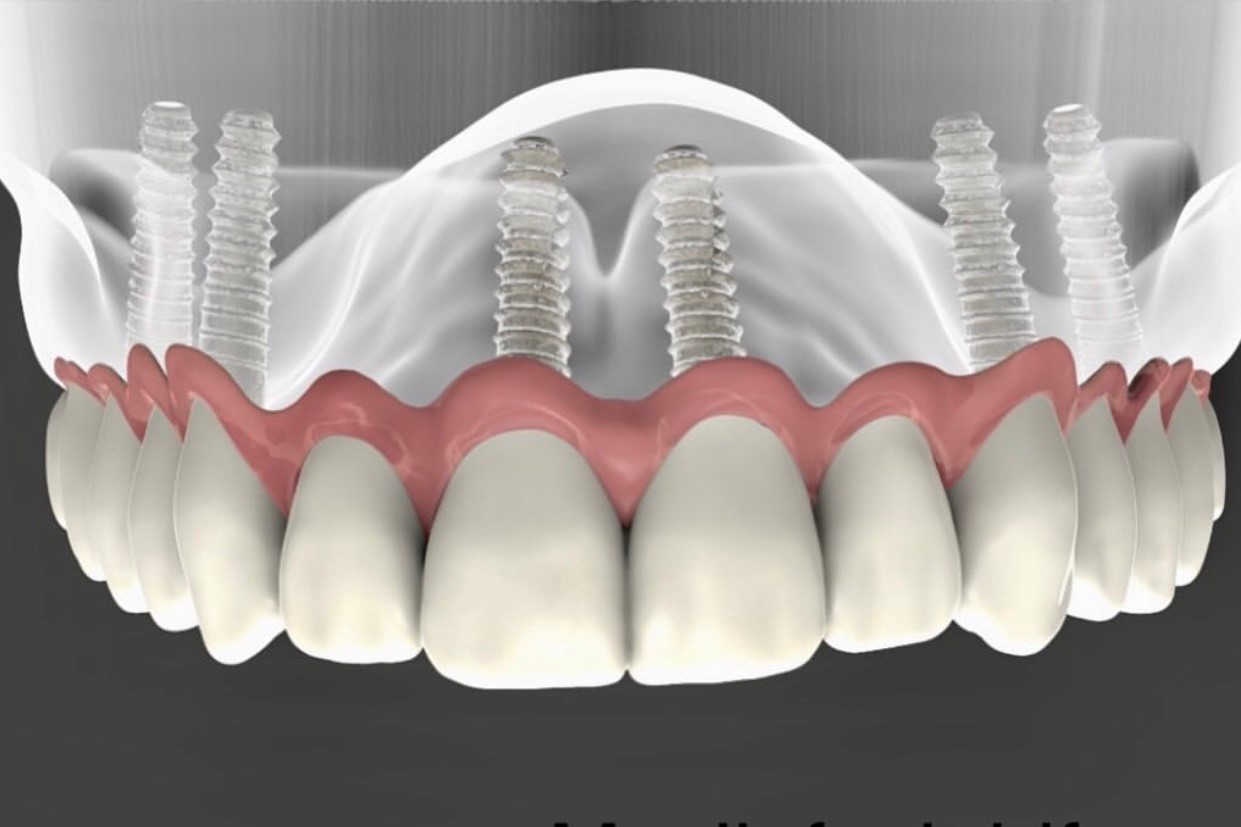
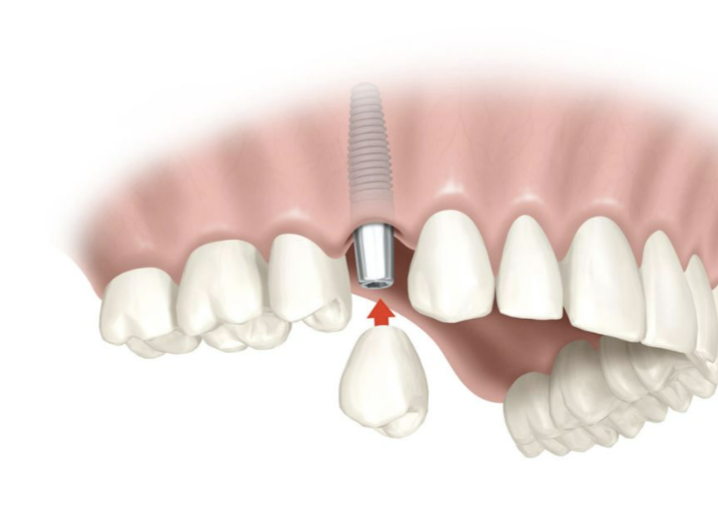
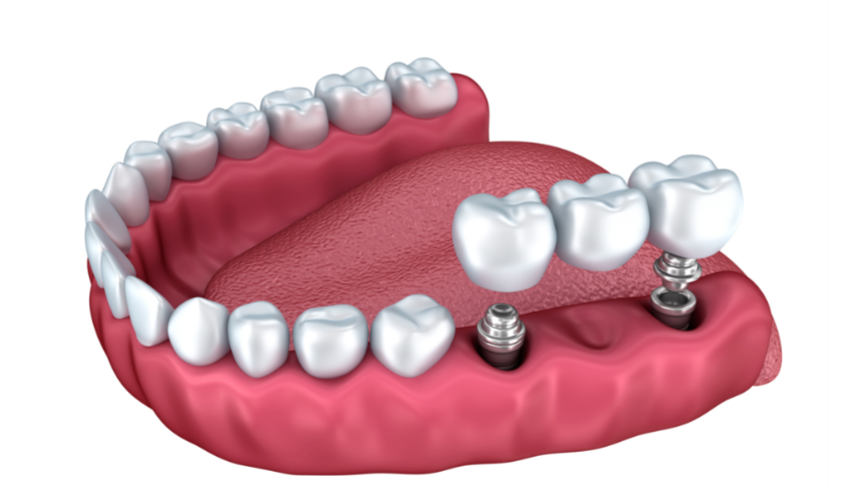
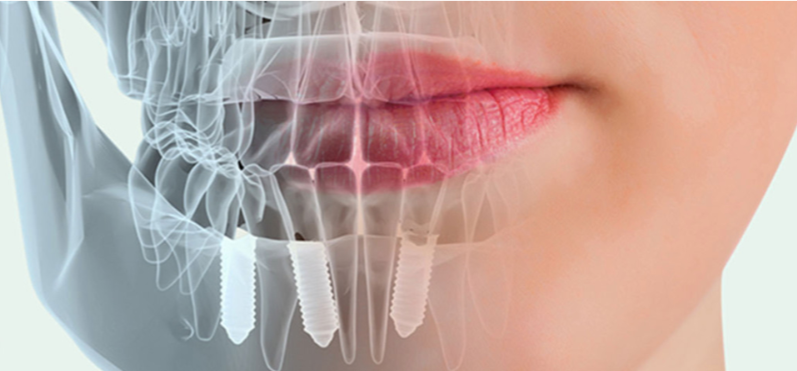
A dental implant is a substitute or replacement tooth root that provides a stable foundation for the replacement tooth. The implant integrates with the bone through osseointegration, providing stability.
Which specialist should place dental implants?
Dental implant placement requires surgical training to avoid complications. The appropriate specialist for dental implant placement is an Oral and Maxillofacial Surgeon.
Prosthetic rehabilitation on dental implants
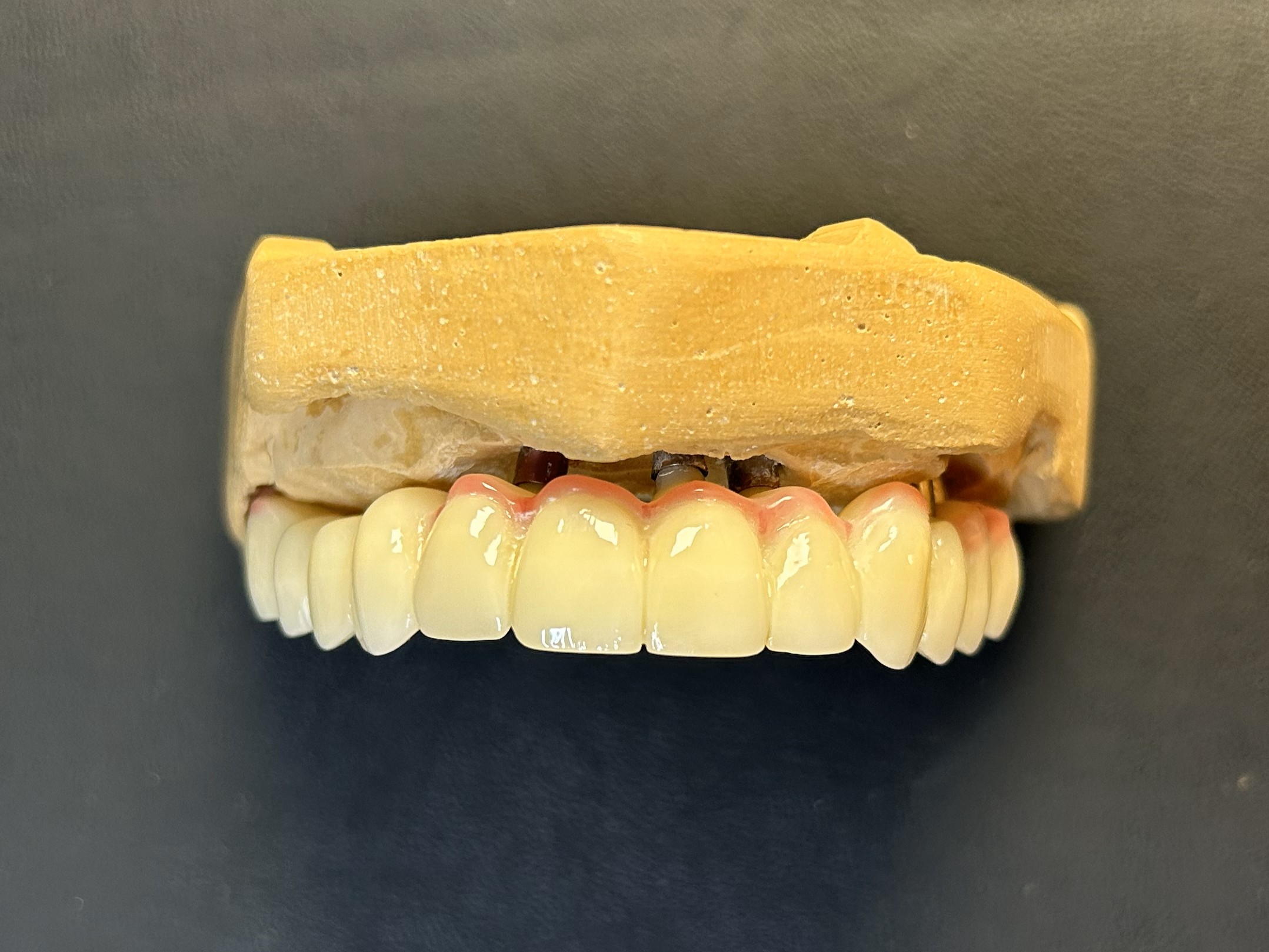
It is very important that prosthetic rehabilitation be performed by a specialist in oral prosthodontics with advanced training in implant-supported rehabilitation, to achieve an optimal functional and aesthetic result.
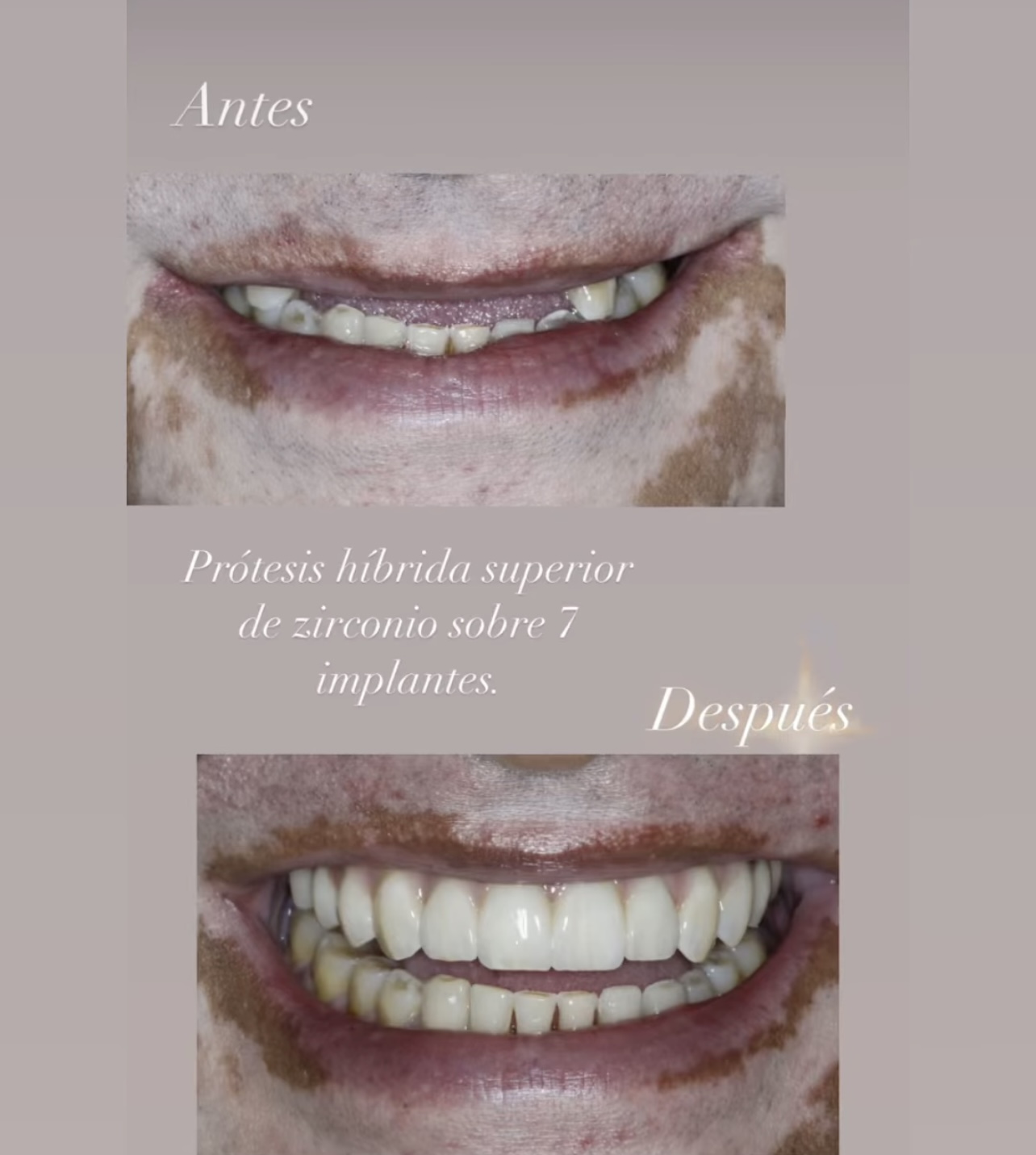
Zygomatic dental implants
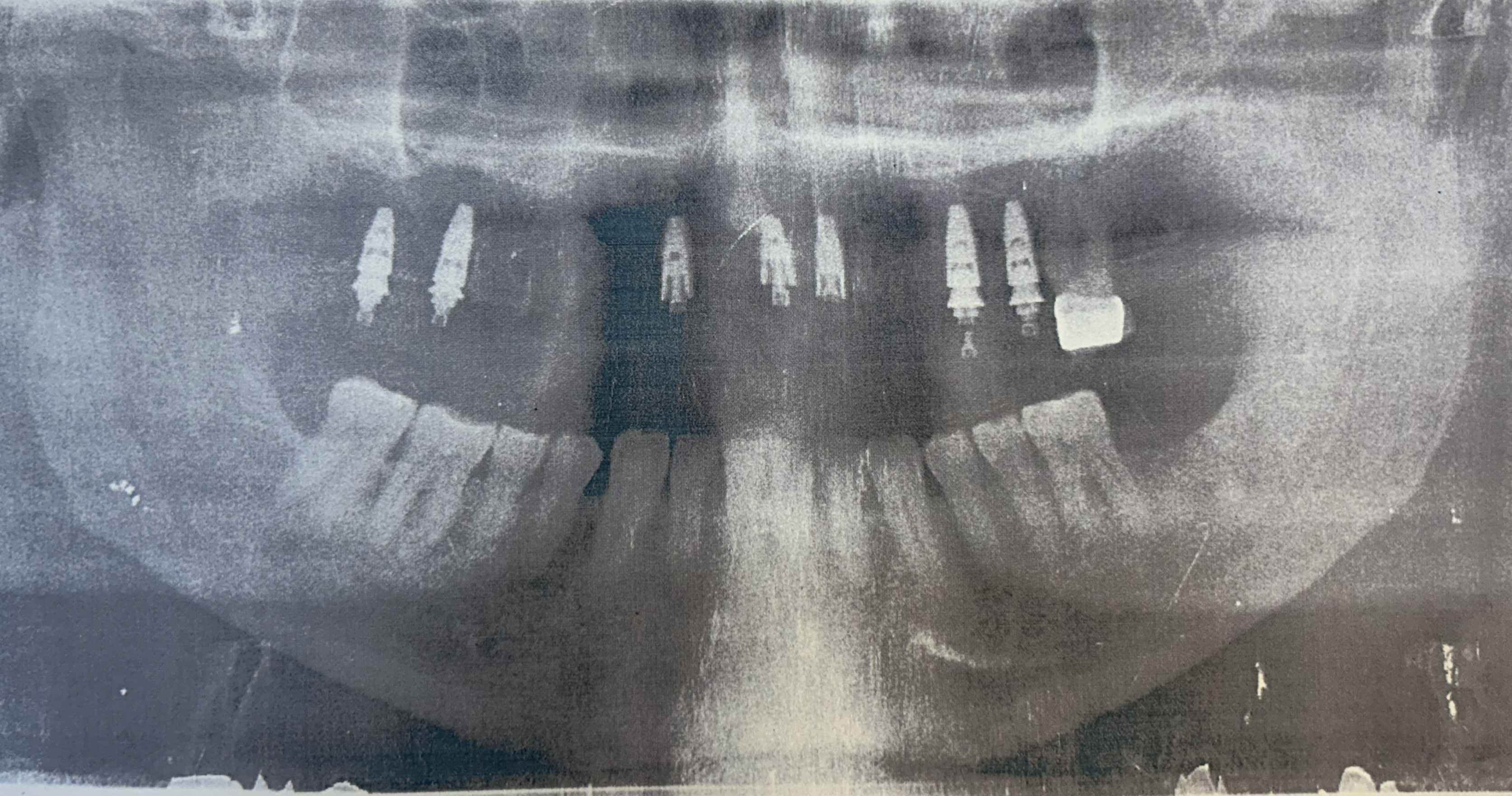
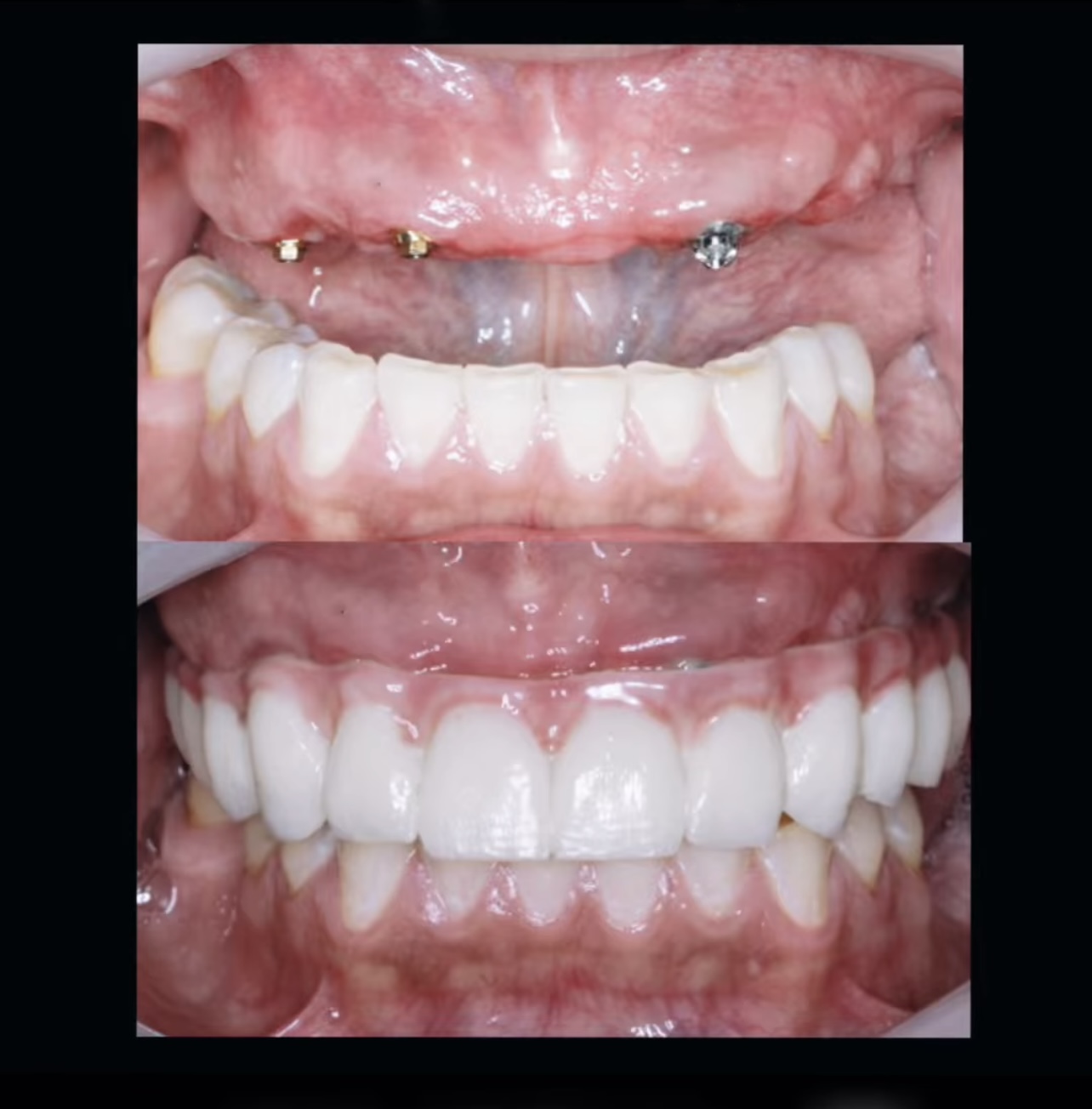
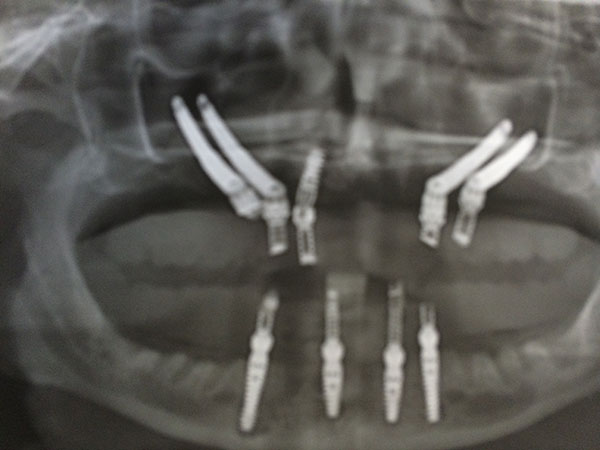
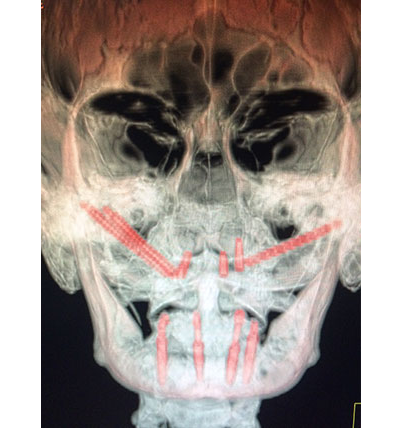
Zygomatic dental implants can be an alternative for patients without sufficient maxillary bone for conventional implants. They are anchored in the zygoma and can provide stability for fixed prosthetic rehabilitation. Planning may be supported with CAD/CAM technology.
Patient case: zygomatic dental implants for prosthetic rehabilitation
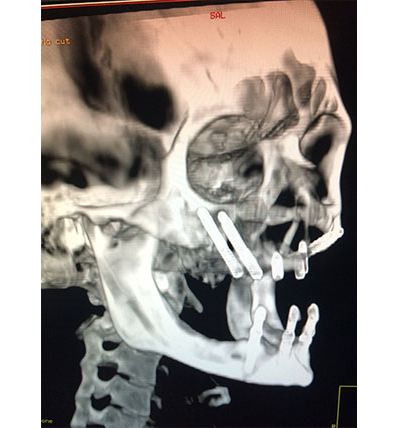
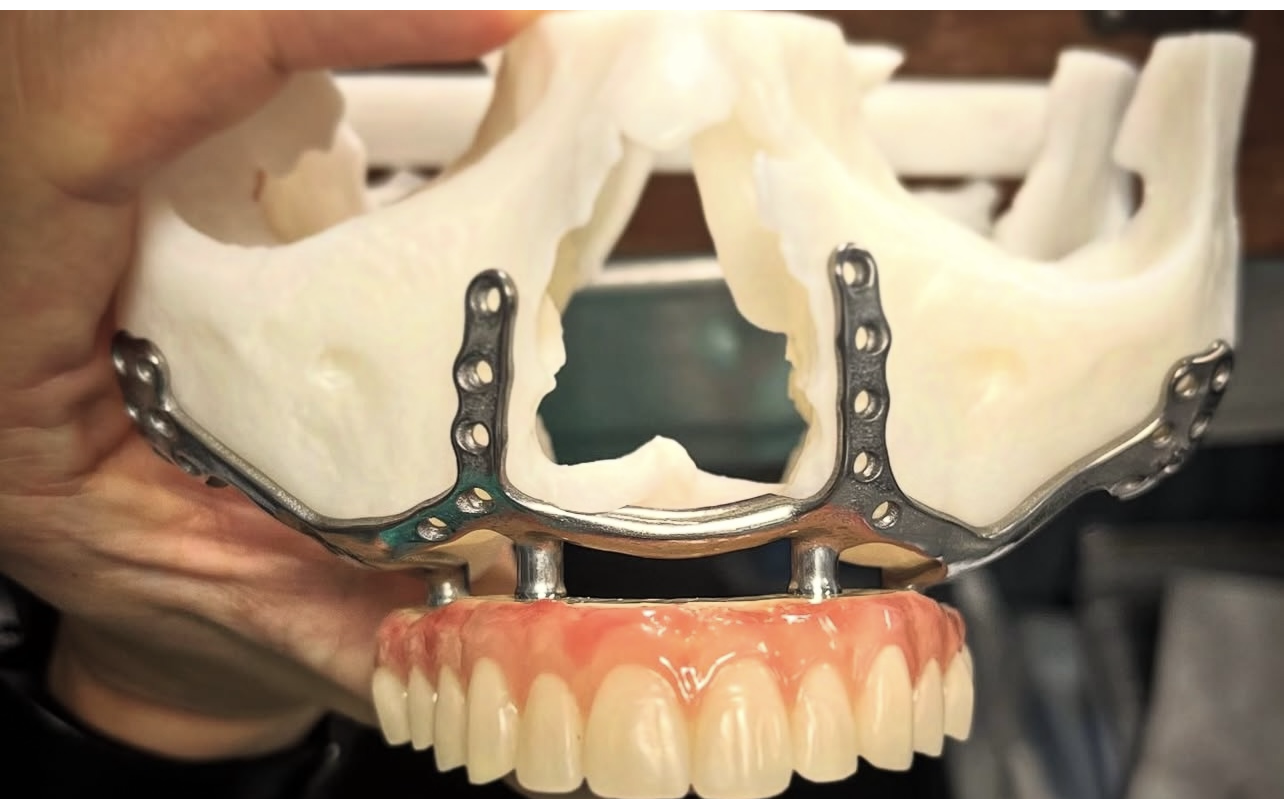
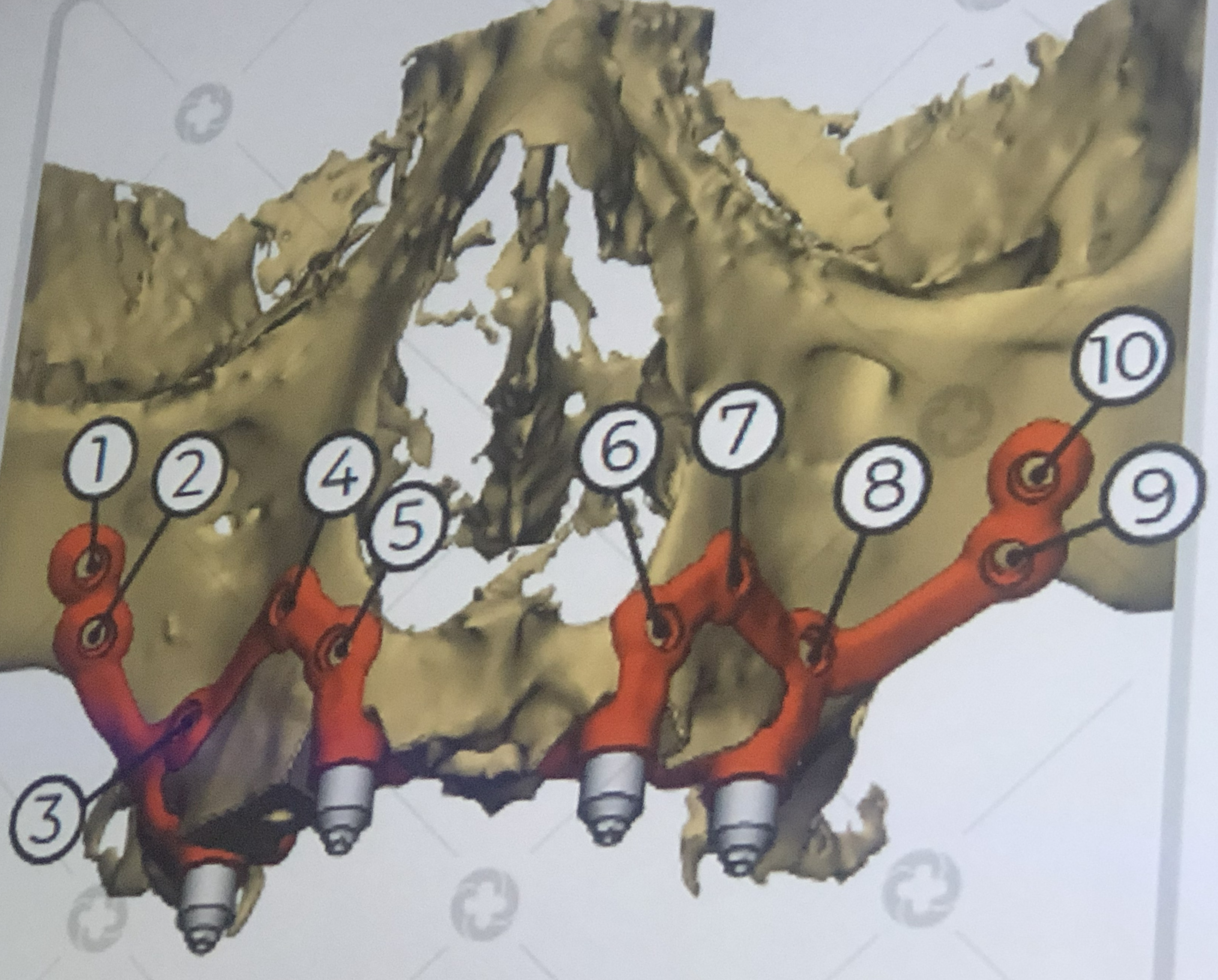
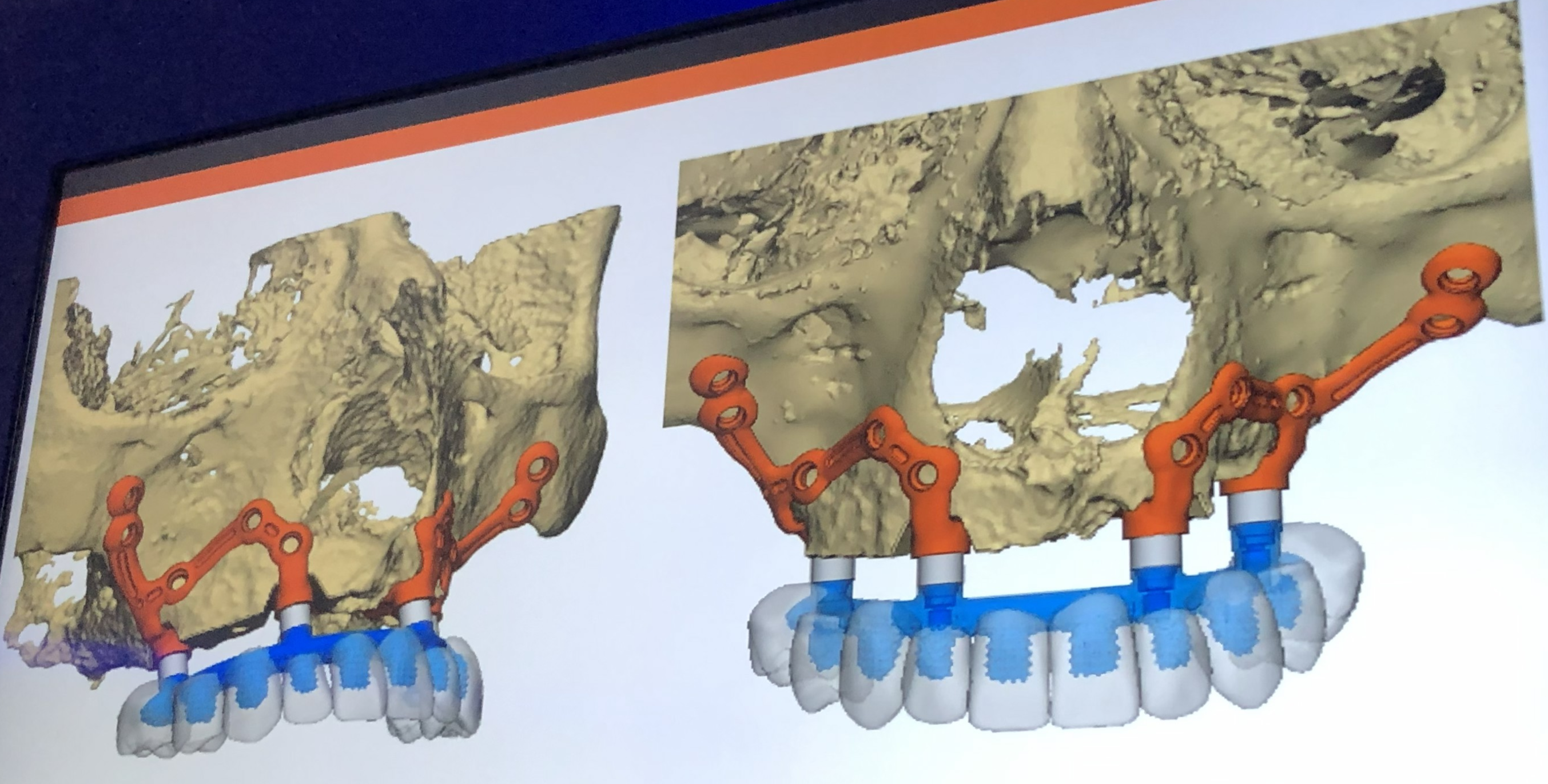
Custom-made subperiosteal implants
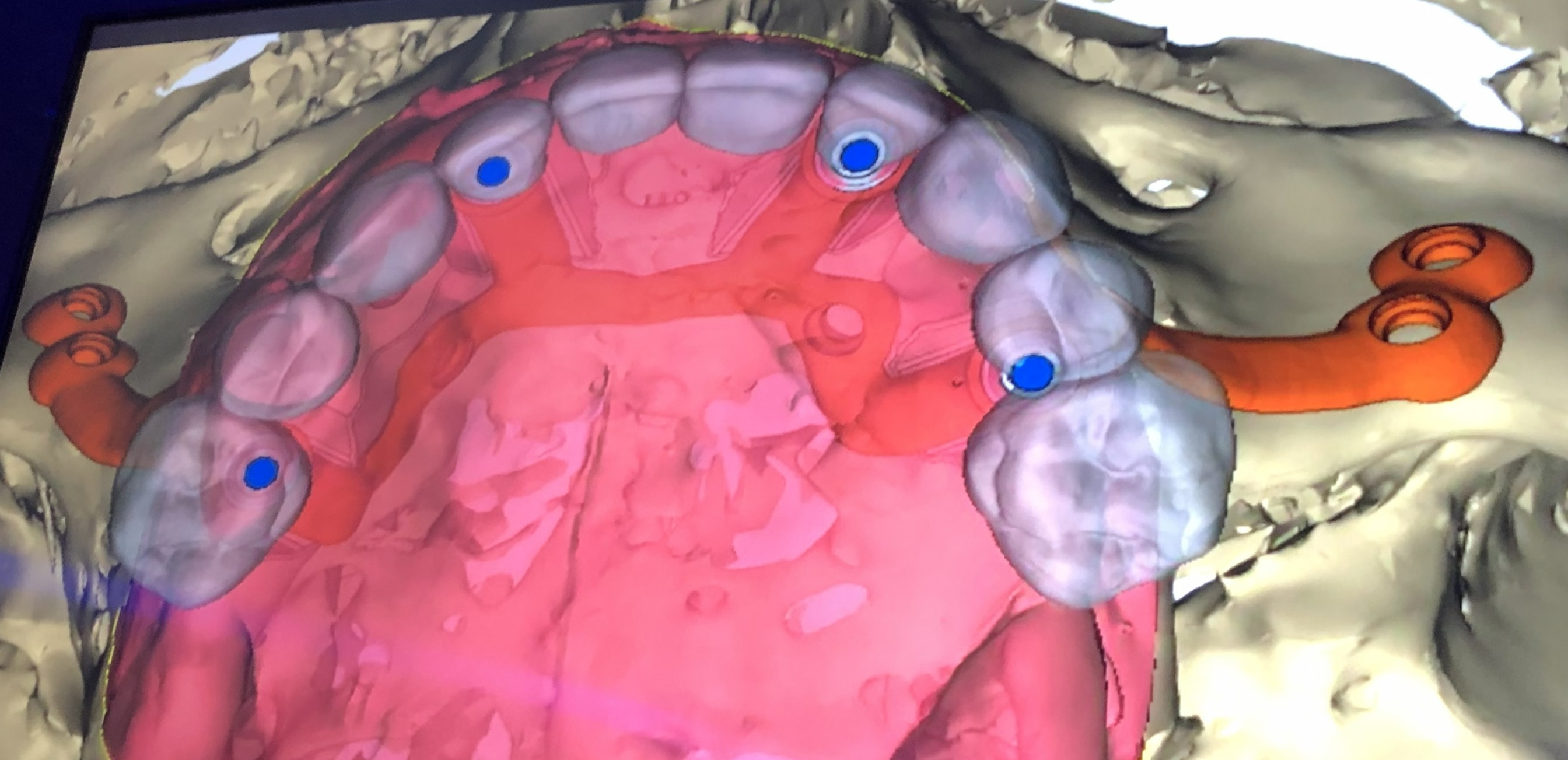
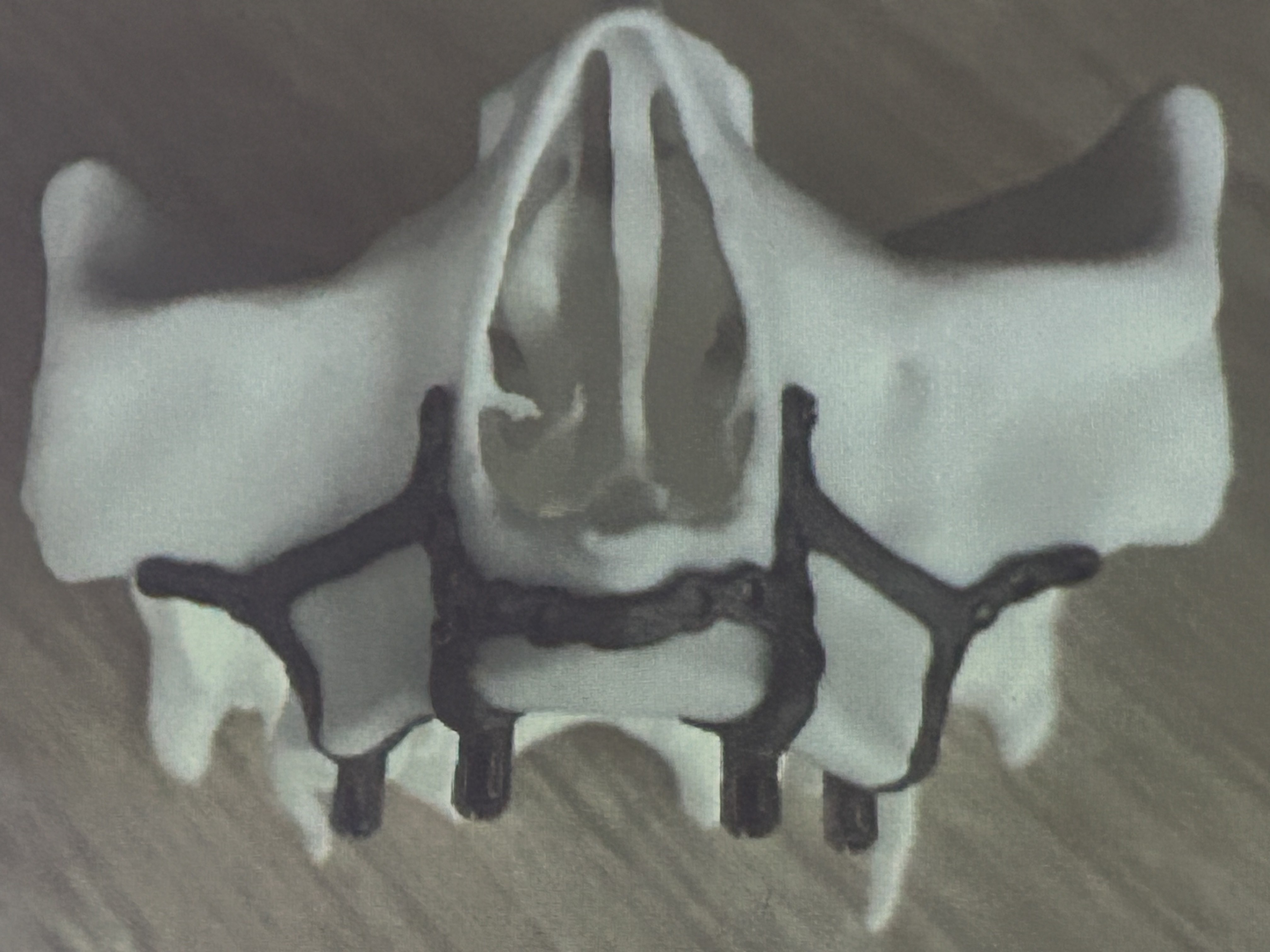
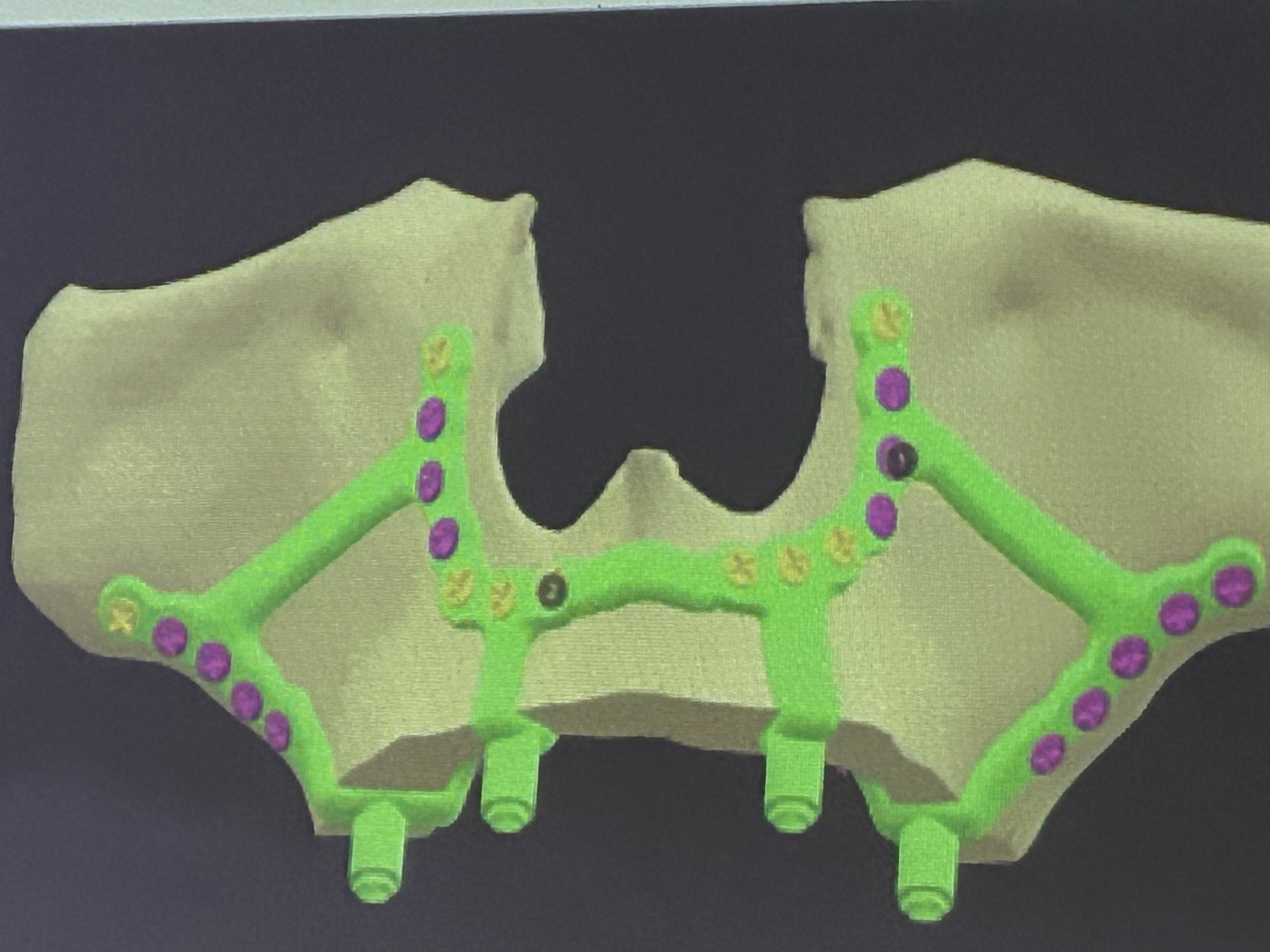
In selected cases, there are surgical alternatives when bone anatomy does not allow a conventional plan. Subperiosteal implants can be custom designed using imaging studies and digital planning to adapt to the bone surface.
Indication depends on clinical and radiographic evaluation, diagnosis, and the prosthetic plan.
What patients say about dental implants
"I was told that my fixed bridge was broken and that my mouth would need a complete reconstruction. My maxillofacial surgeon told me that, with a bridge supported by implants, we could preserve my remaining teeth as well as the bone."
"For years I felt that a part of my body was missing because all my teeth had been removed when I was young. Most of the time my mouth hurt because of my artificial teeth. I could not eat the food I liked, and I always felt uncomfortable in social situations because I thought my prosthesis could fall out if I laughed. Now that I have implants, my attitude is different. I can eat what I want, I can laugh, and I feel that a major obstacle has disappeared."
"I cannot express how angry I was when I found out I was going to lose one of my front teeth. I had all kinds of concerns. I wondered: how will it affect my smile? Would people notice that one of my front teeth was not natural? I was thrilled to learn I could replace my tooth with a dental implant that looks and feels natural."
Clinical cases (dental implants)
Case 1: Oral rehabilitation with dental implants
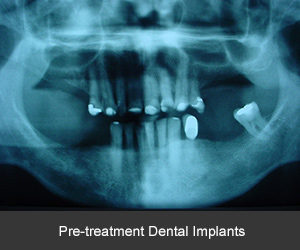
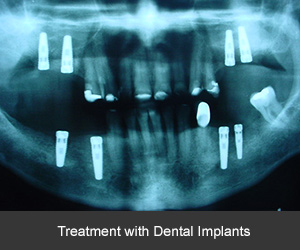
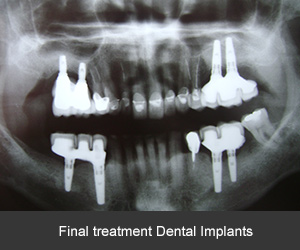
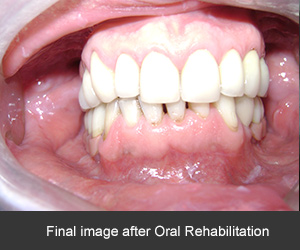
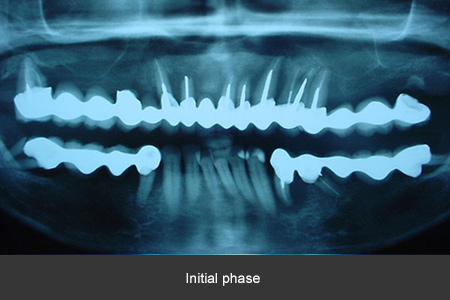
Case 2: Oral rehabilitation with dental implants
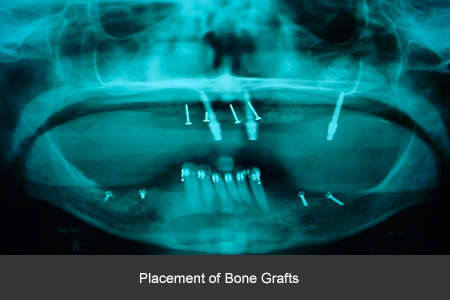
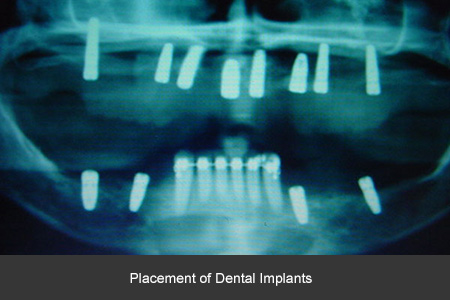
In patients with severe periodontal disease and prosthetic overload that causes mobility and fractures of the supporting teeth, the necessary extractions should be performed, along with adequate bone regeneration (bone grafting) and dental implant placement to support fixed or removable implant-supported prostheses.
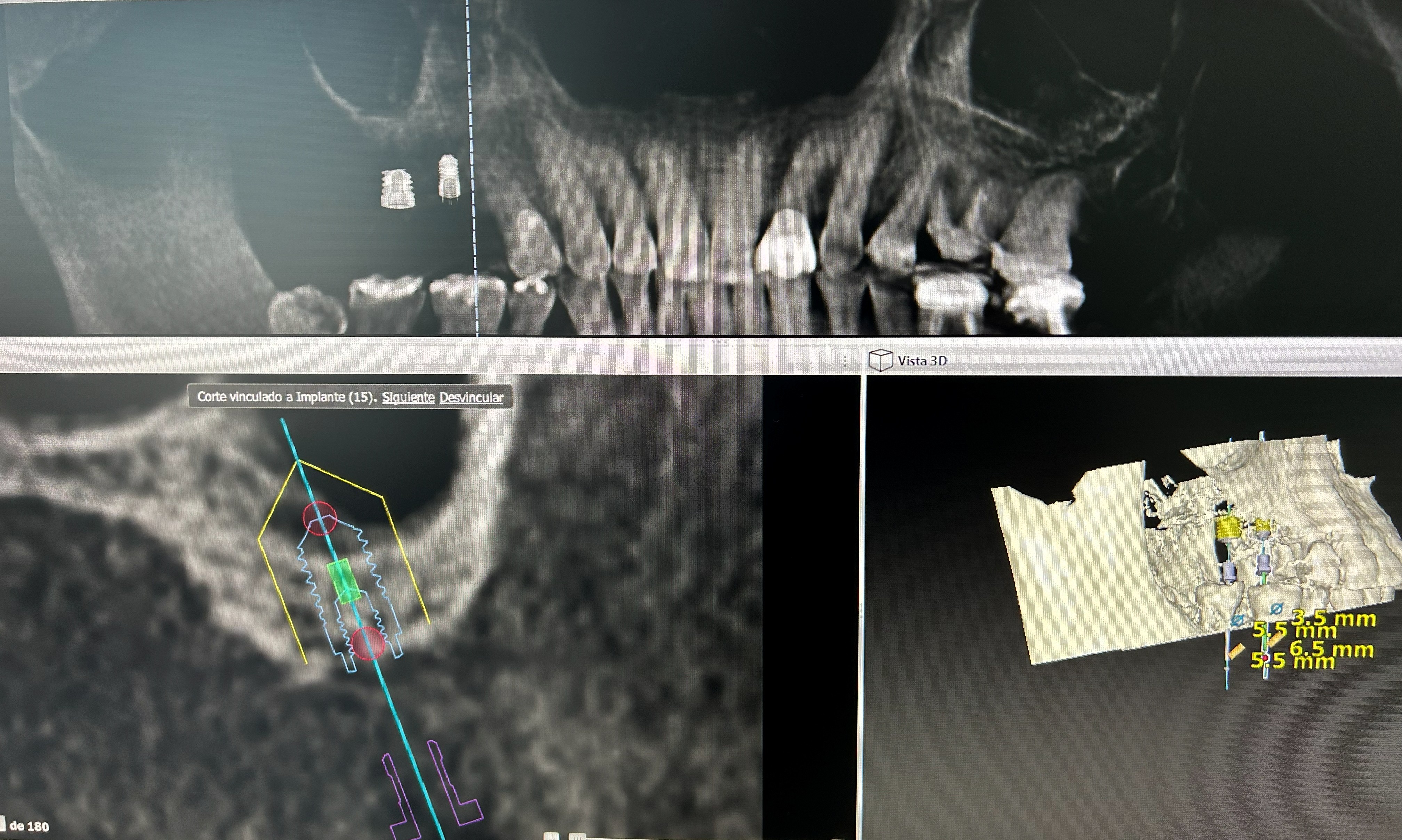
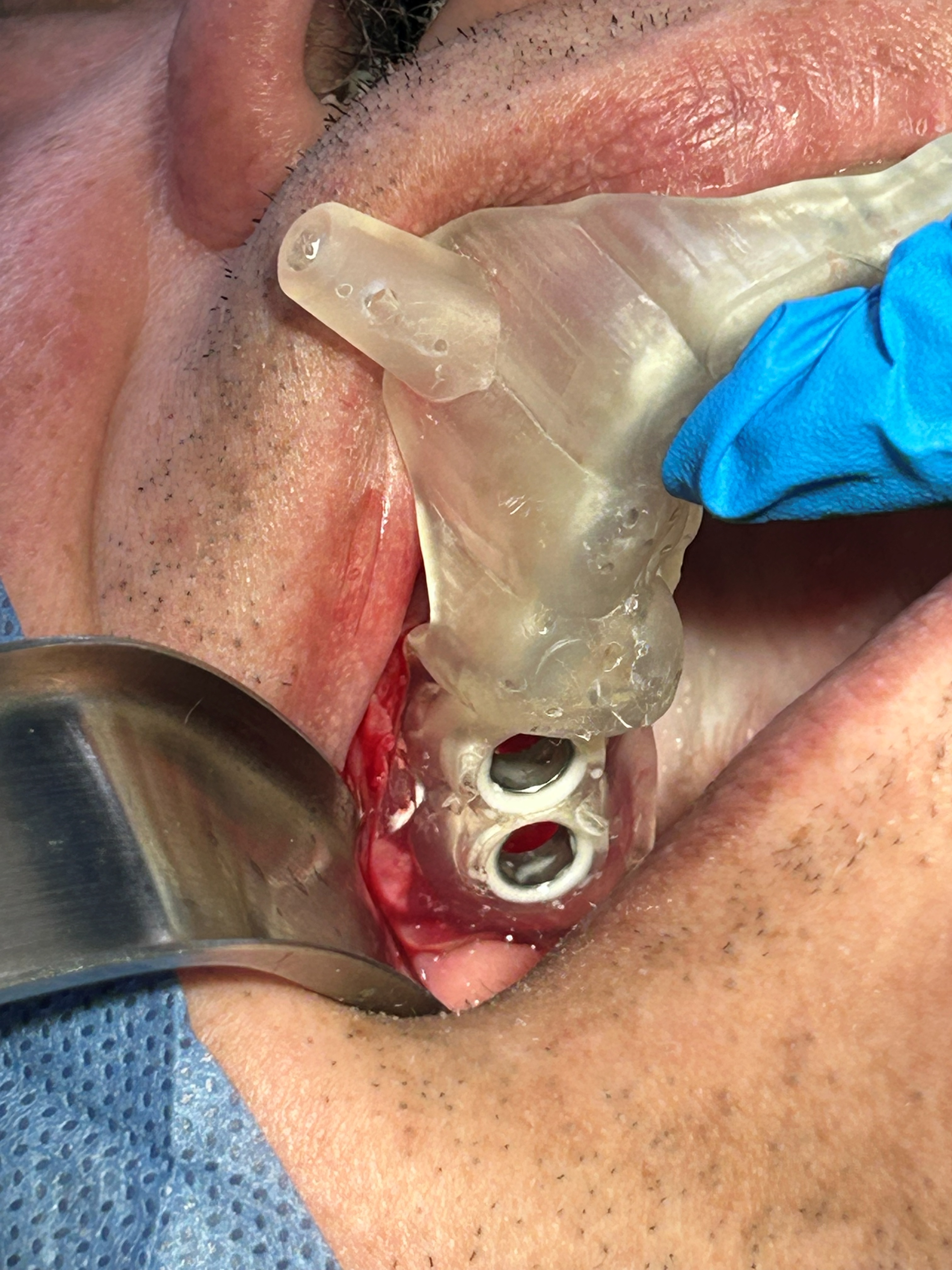
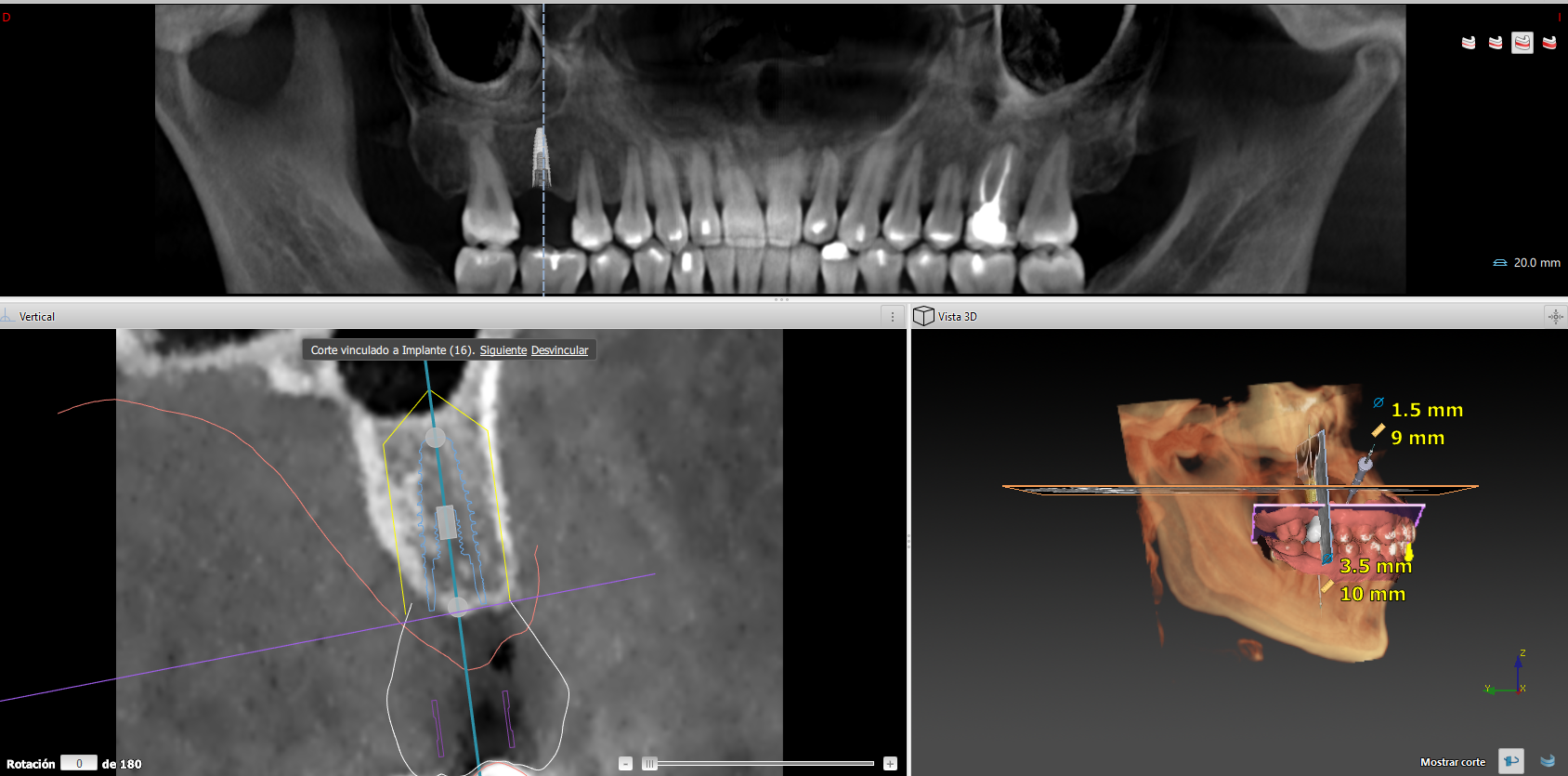
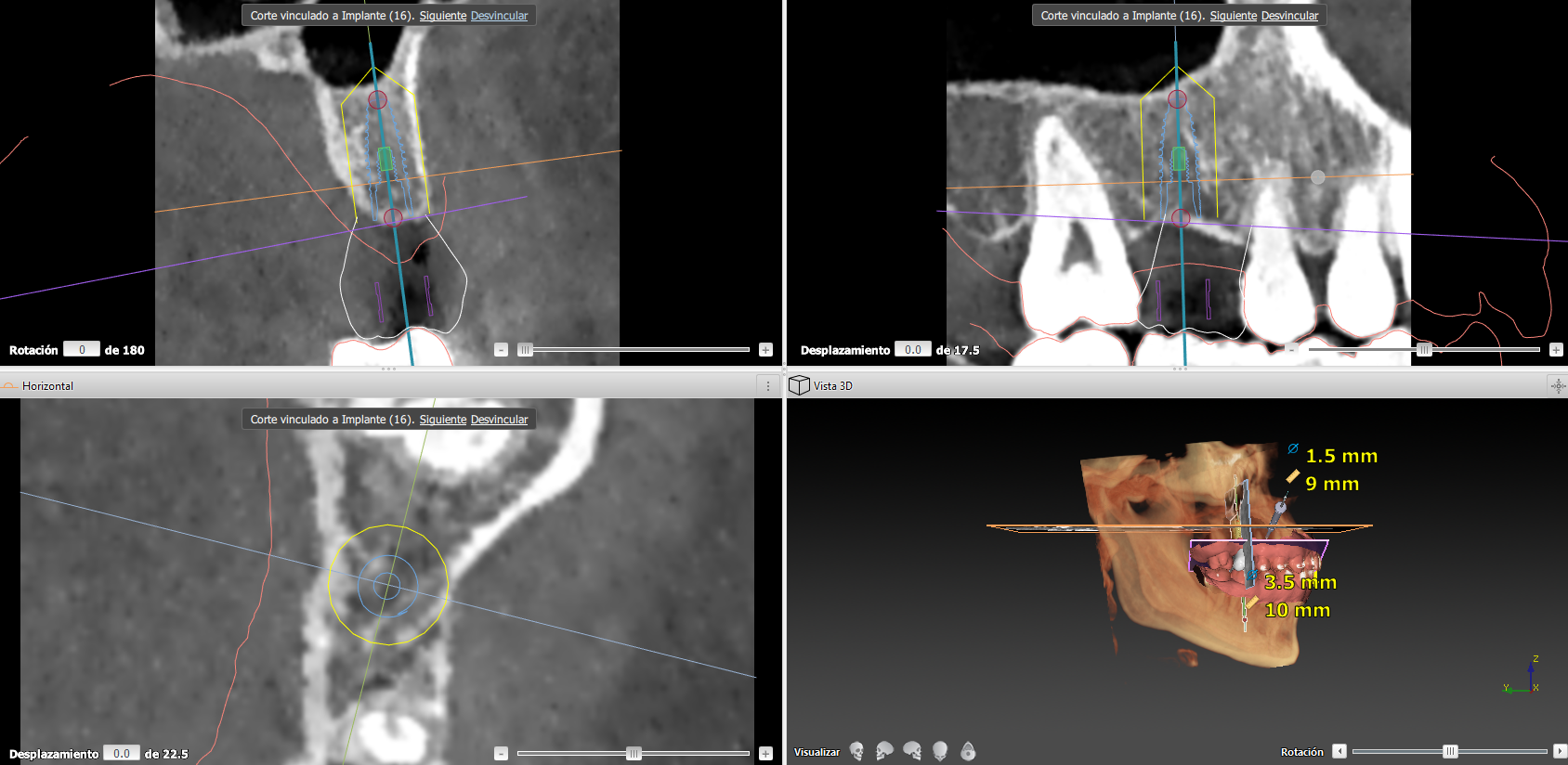
Digital planning and surgical guide
The ideal implant position.
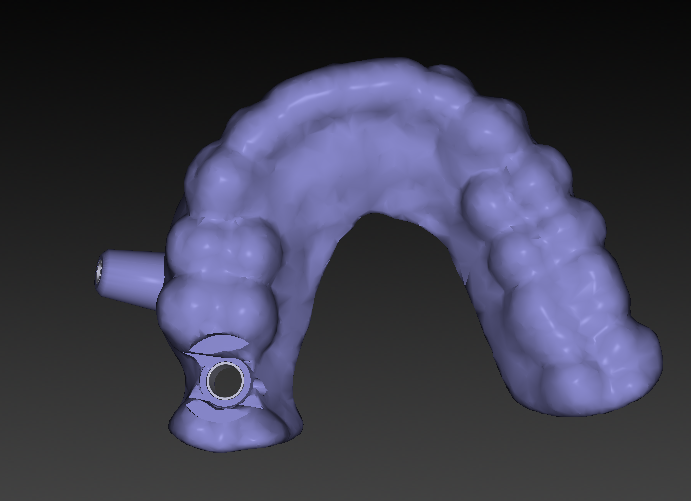
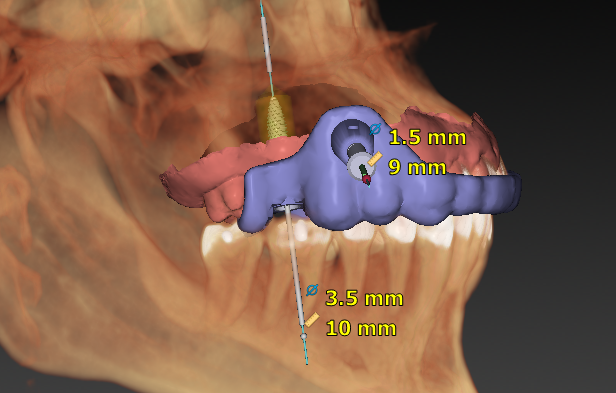
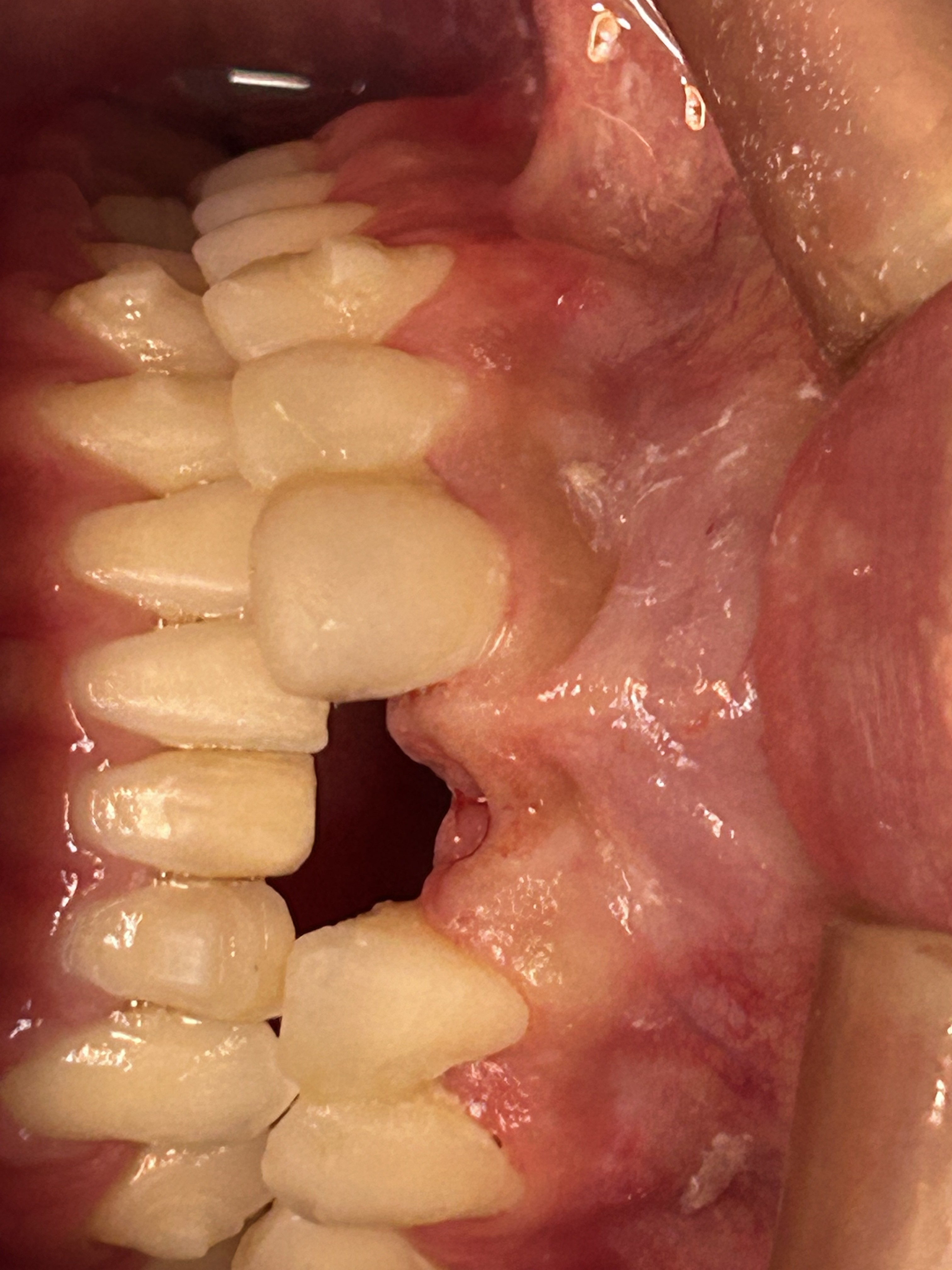
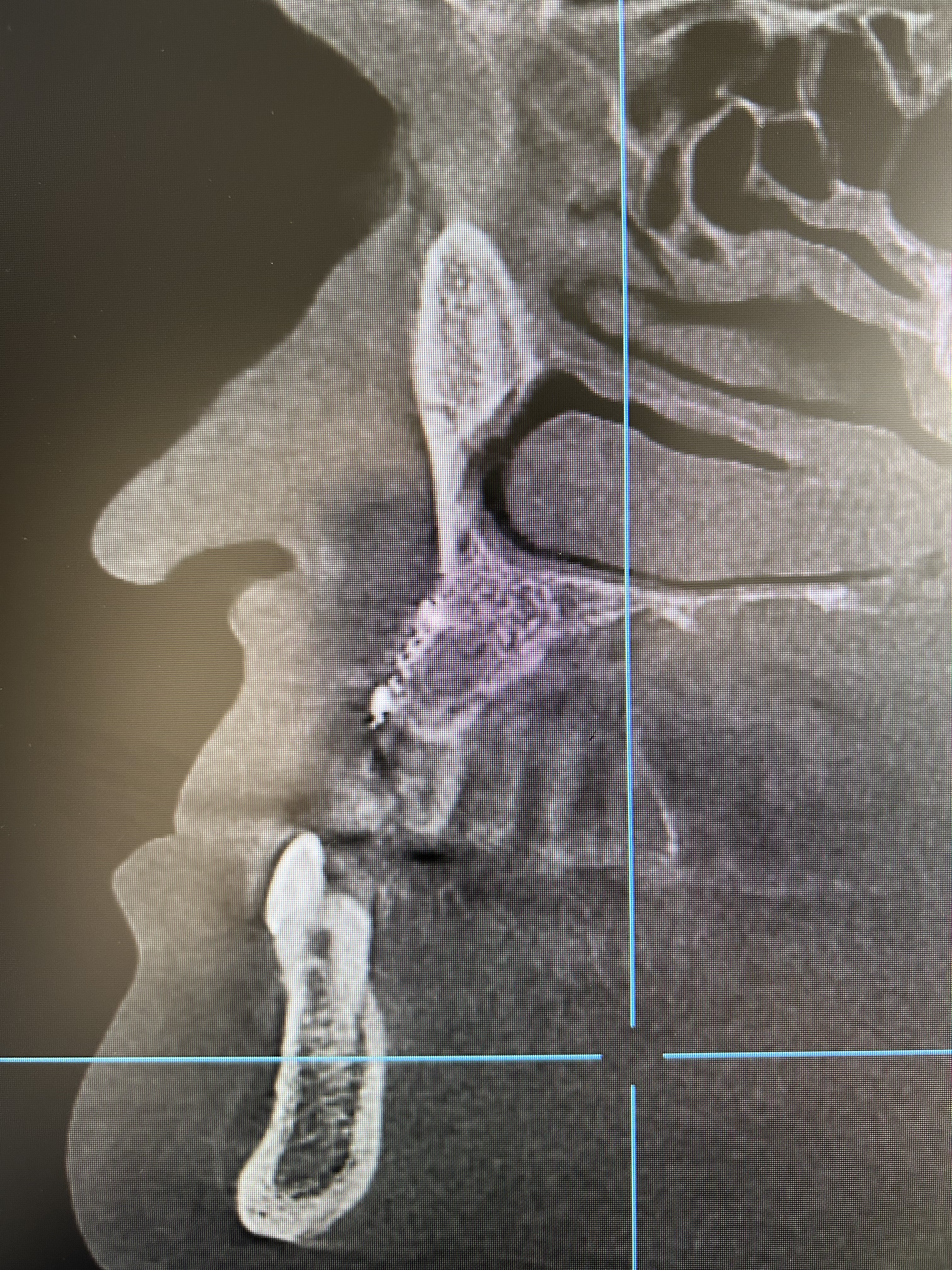
Case: 1 implant with reconstruction
Fortunately, there are advanced techniques to obtain and create sufficient bone quantity and quality using meshes, membranes, and bone grafting materials that stimulate the body’s own bone regeneration.
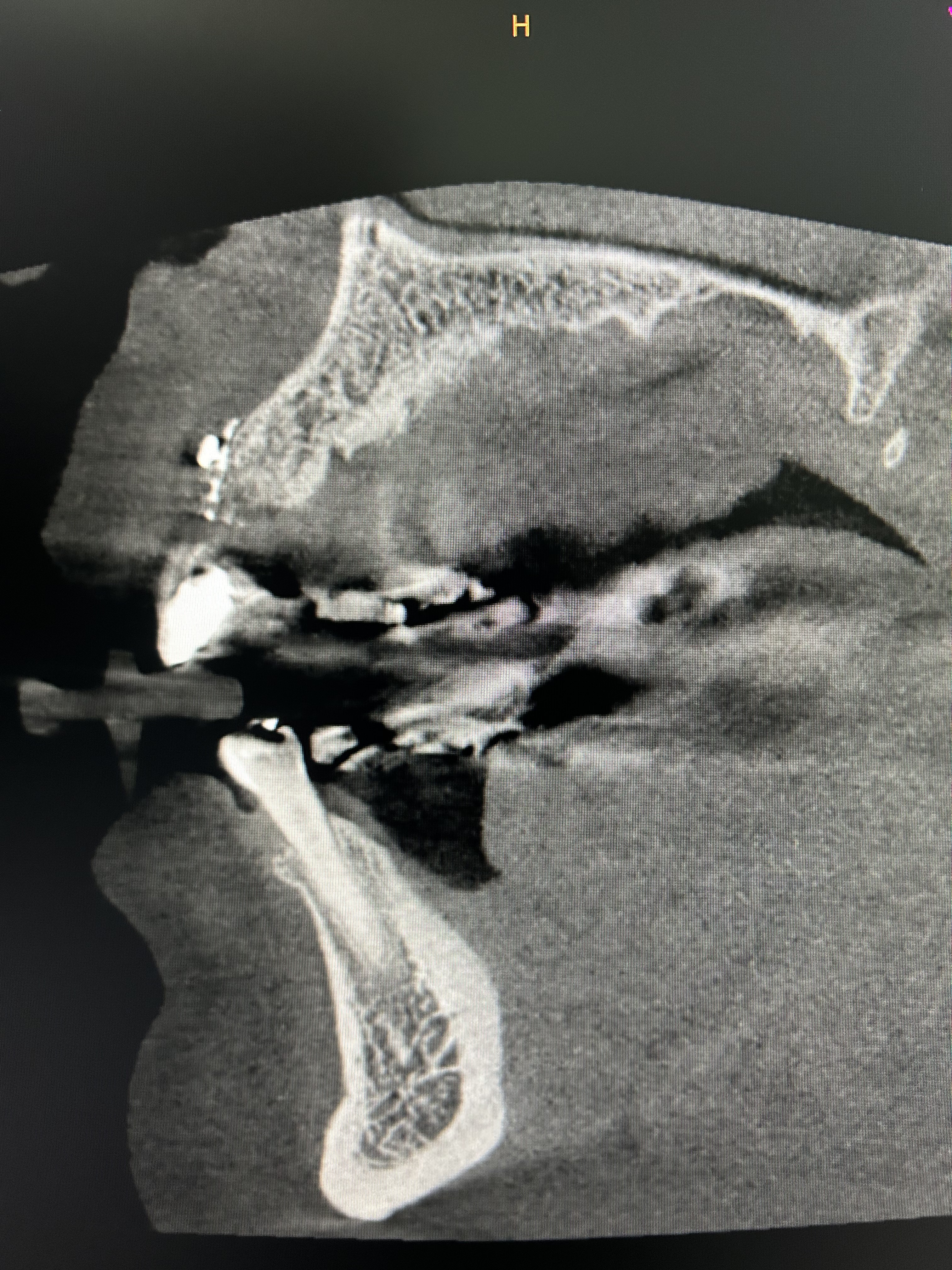
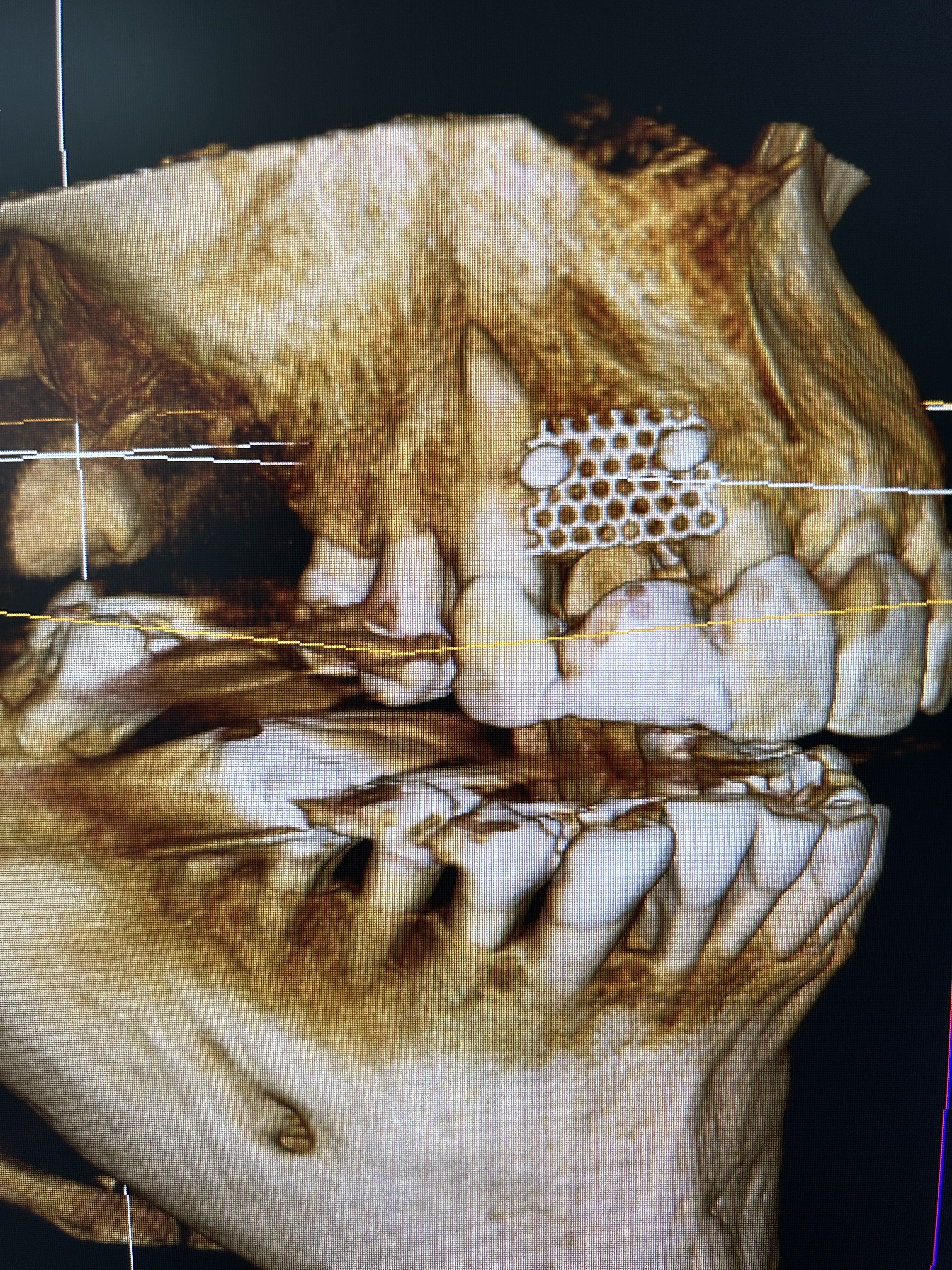
Case: 2 implants with reconstruction
Case: all on four (upper), all on six (lower)
Using four or six implants for full-arch rehabilitation with fixed prostheses supported by implants is an excellent option for the patient.
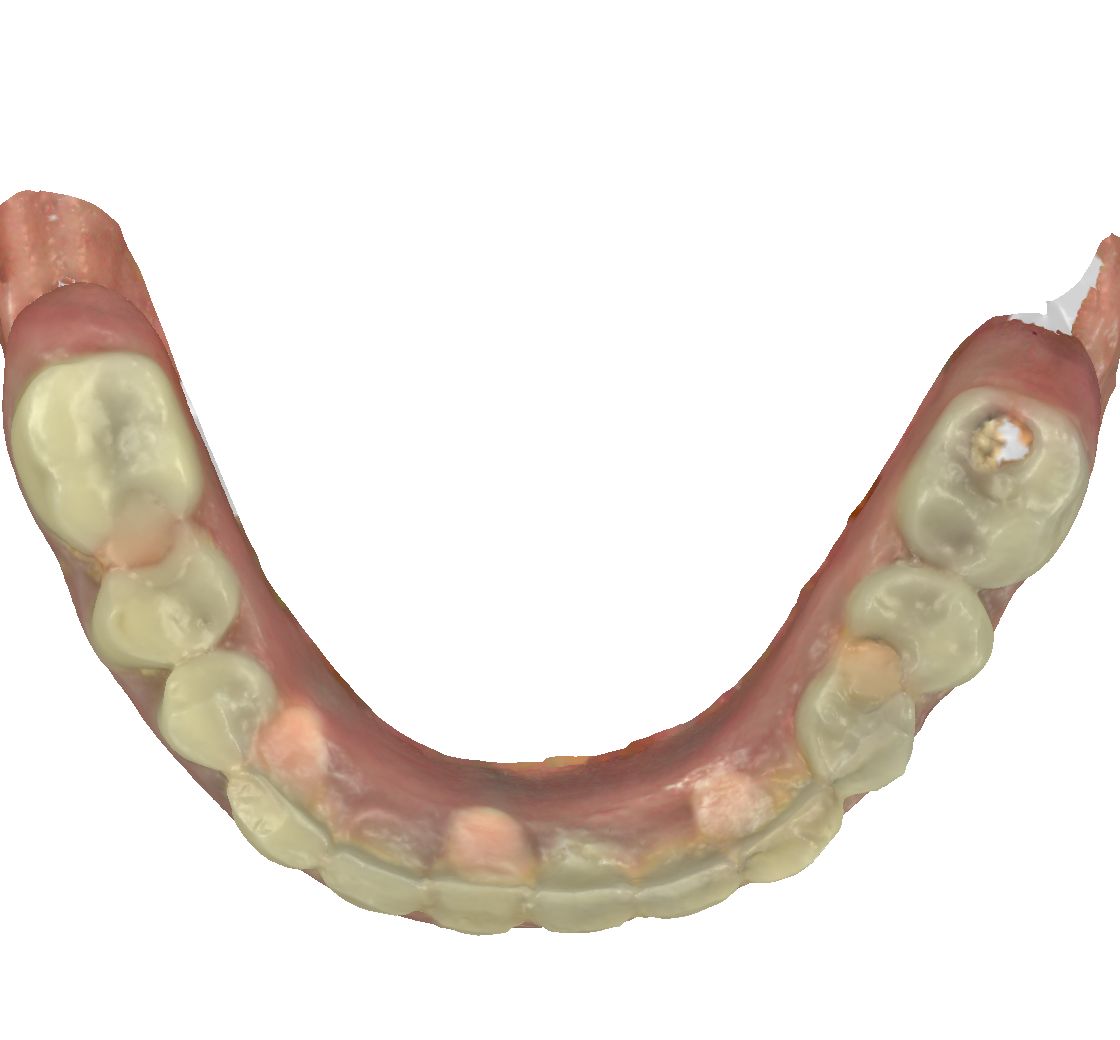
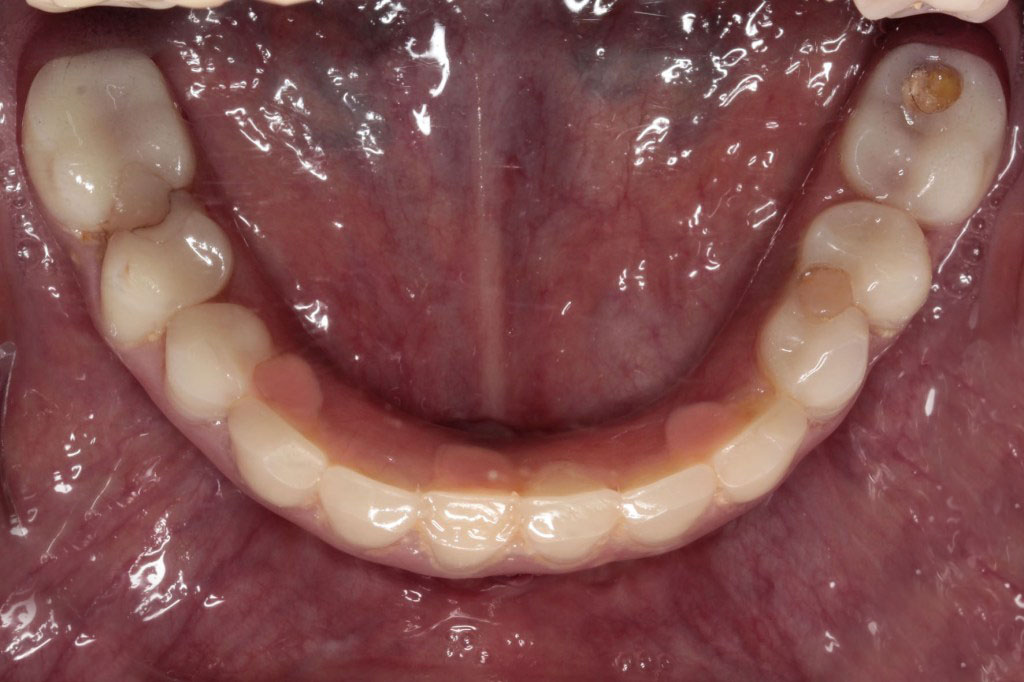
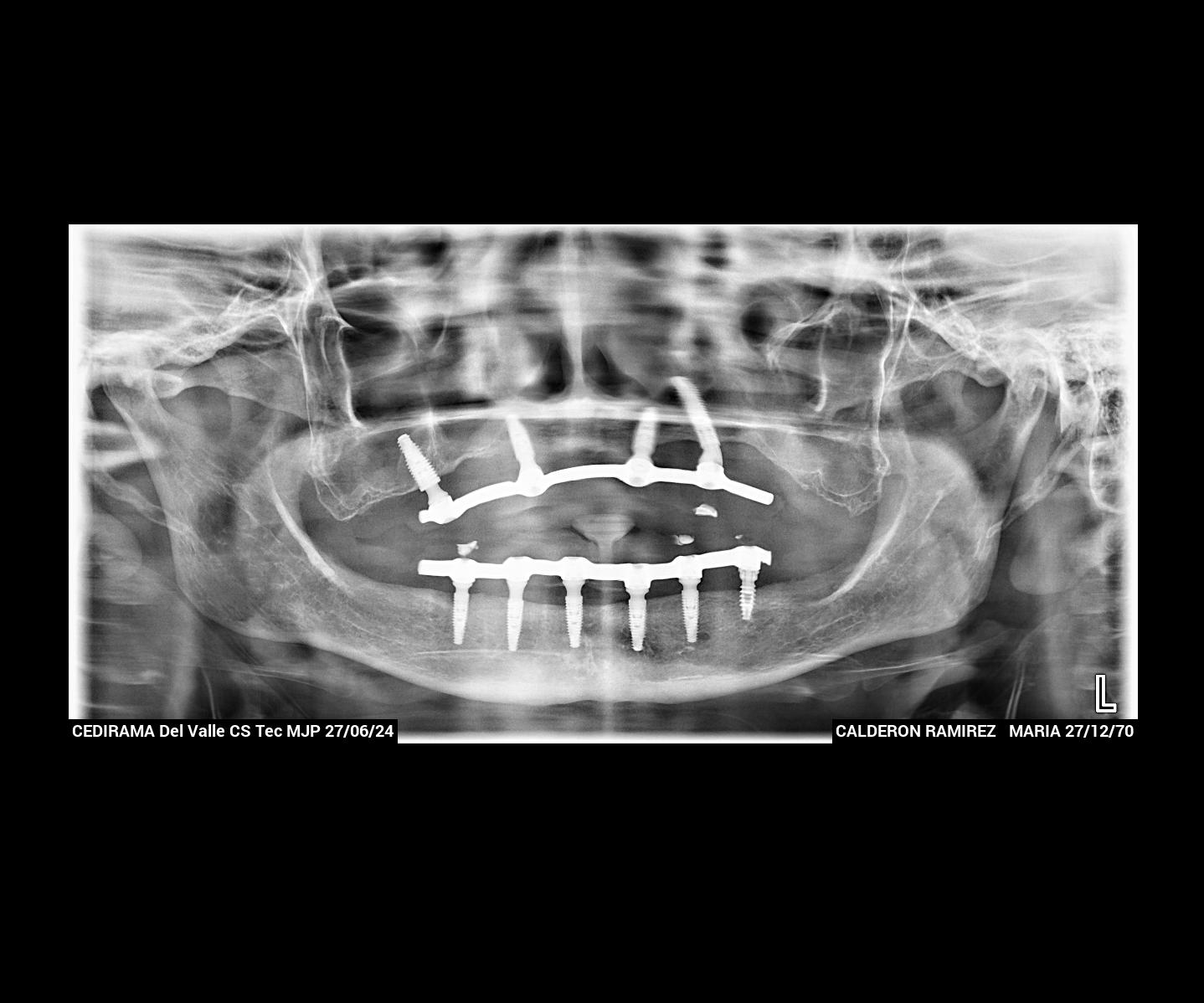
Peri-implantitis
Peri-implantitis is an inflammatory condition around implants. A clinical and radiographic evaluation helps define the appropriate management plan. Implant maintenance should be performed every 6 months to help prevent peri-implantitis, and we have cutting-edge technology for implant cleaning and disinfection using laser and airflow.
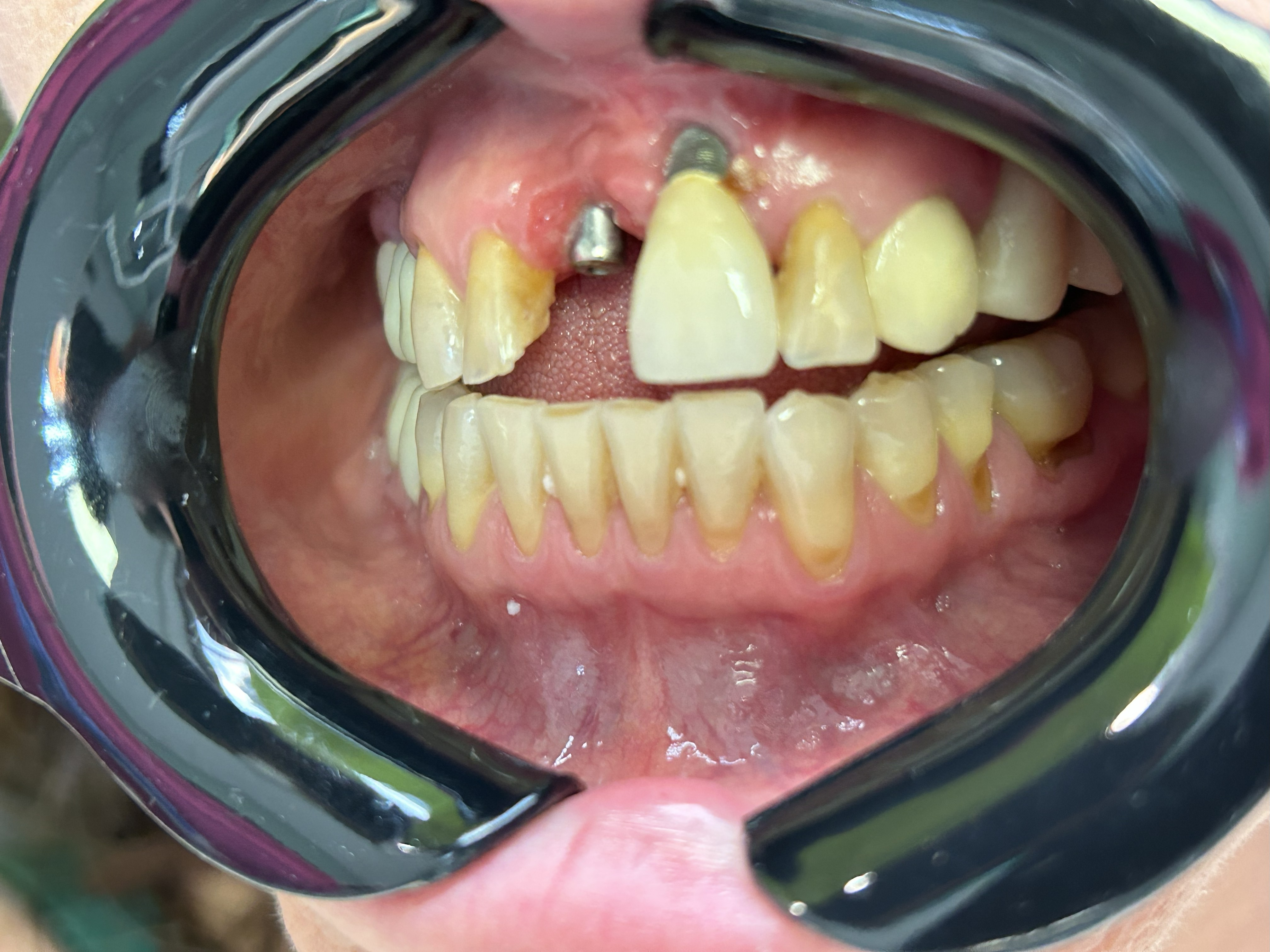
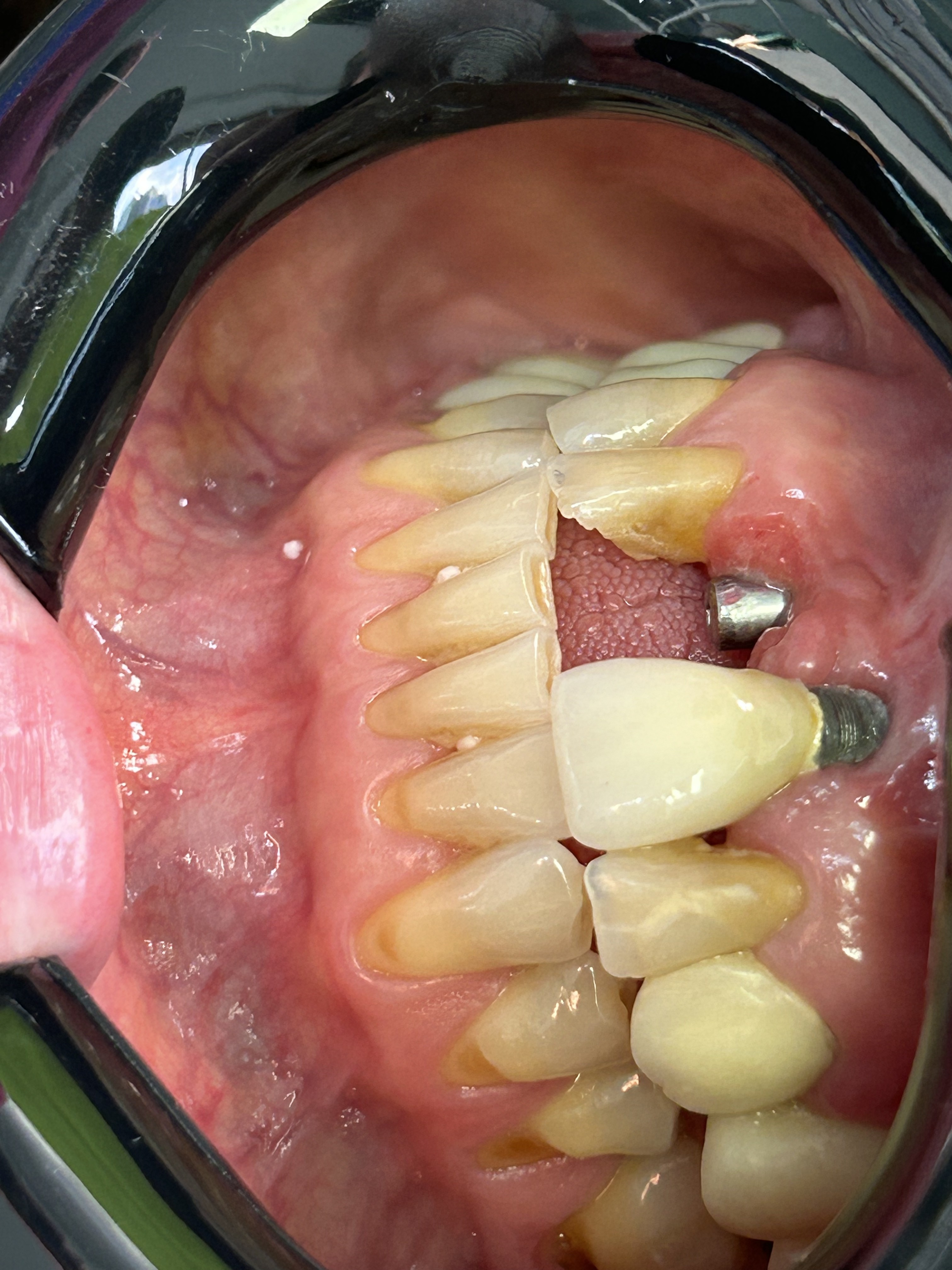
Implant at the maxillary sinus border
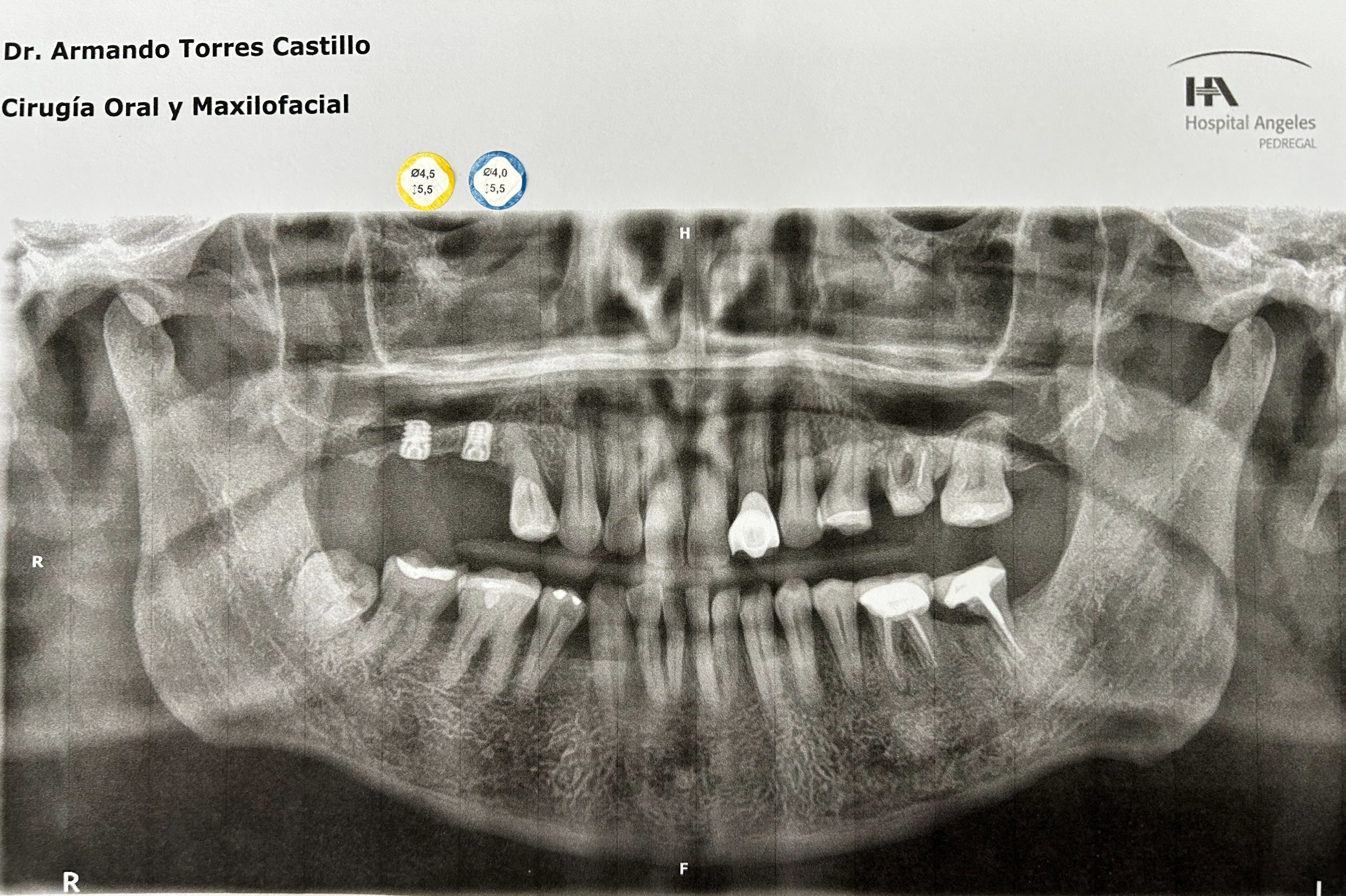
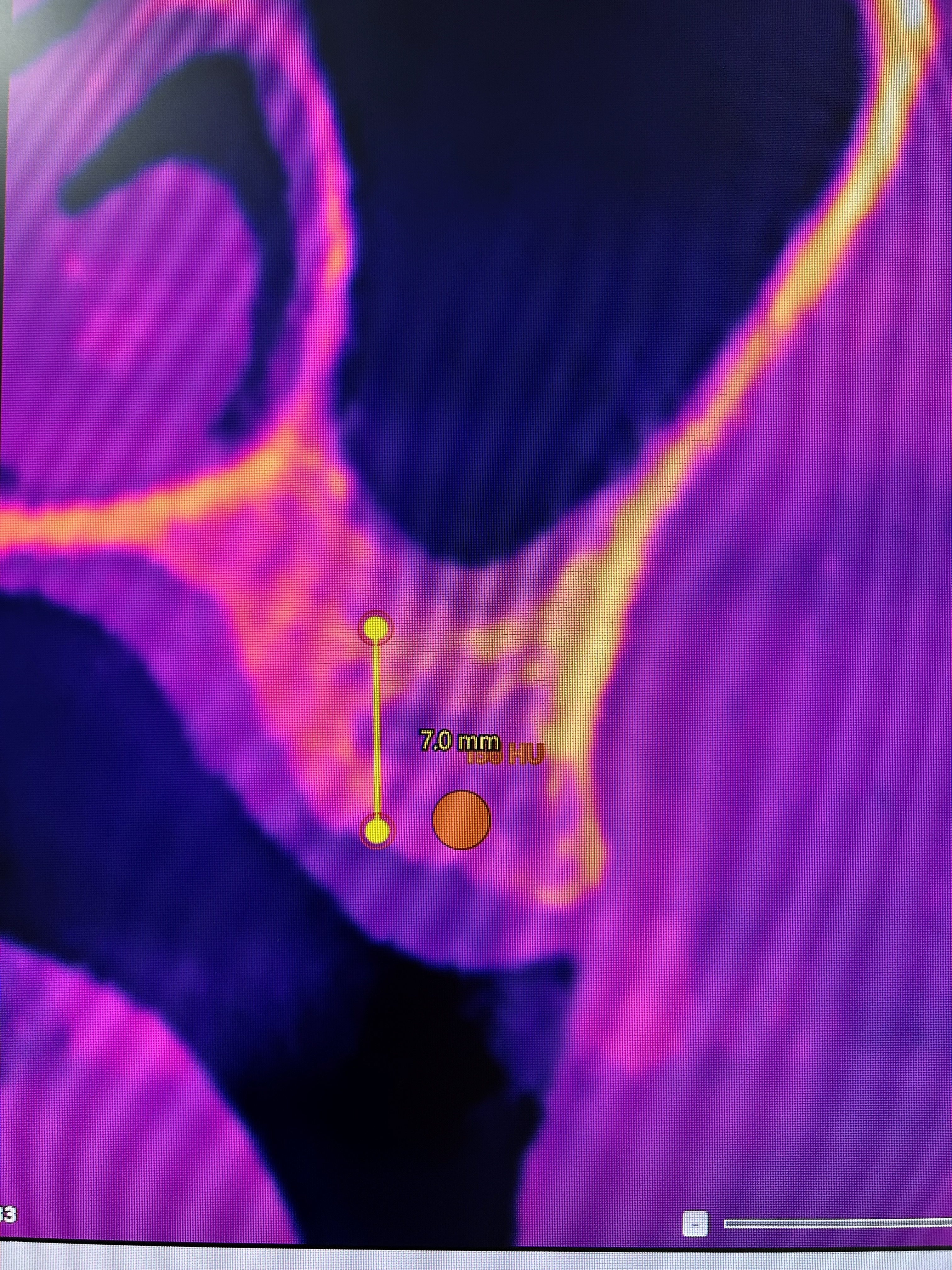
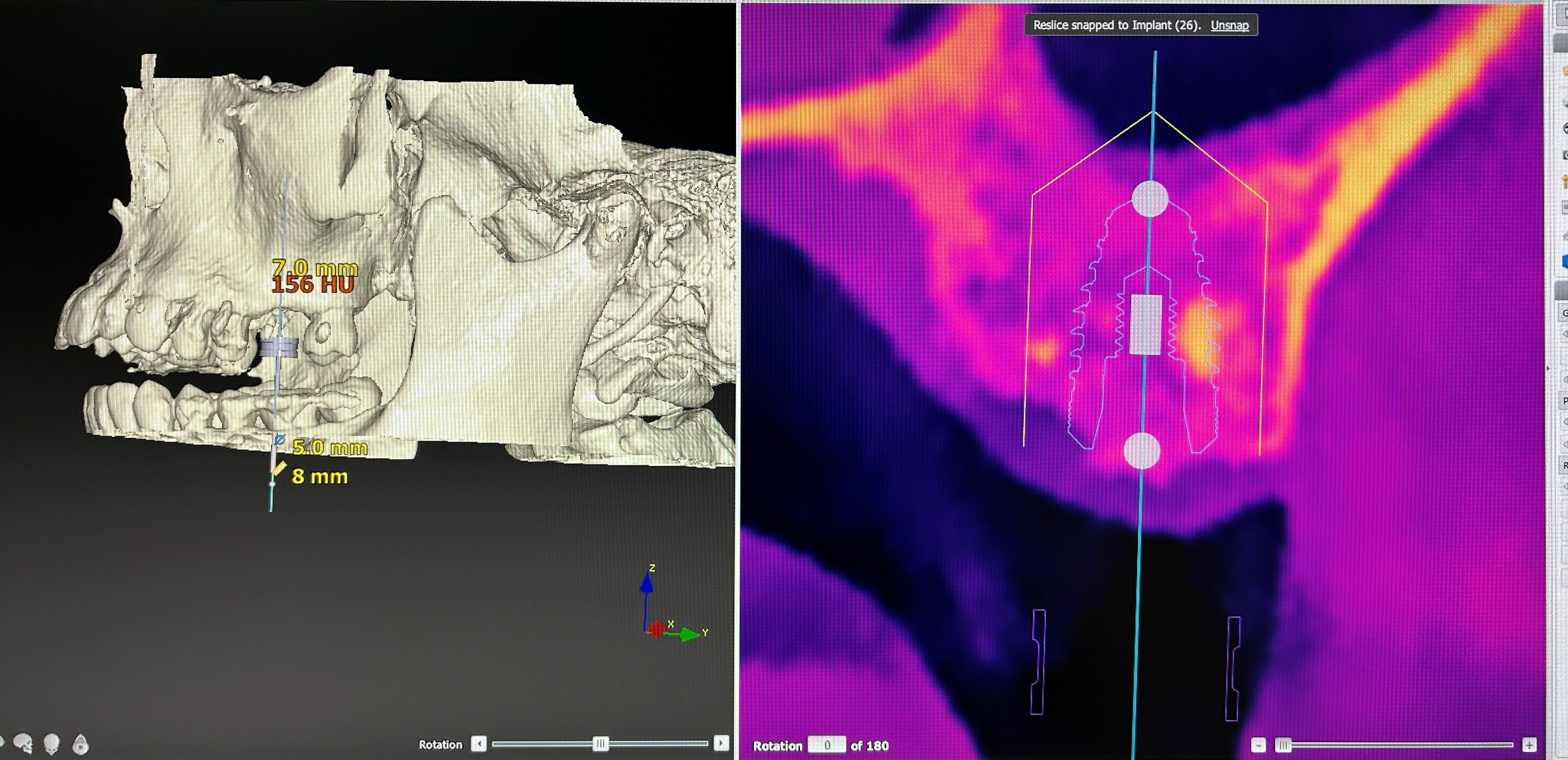
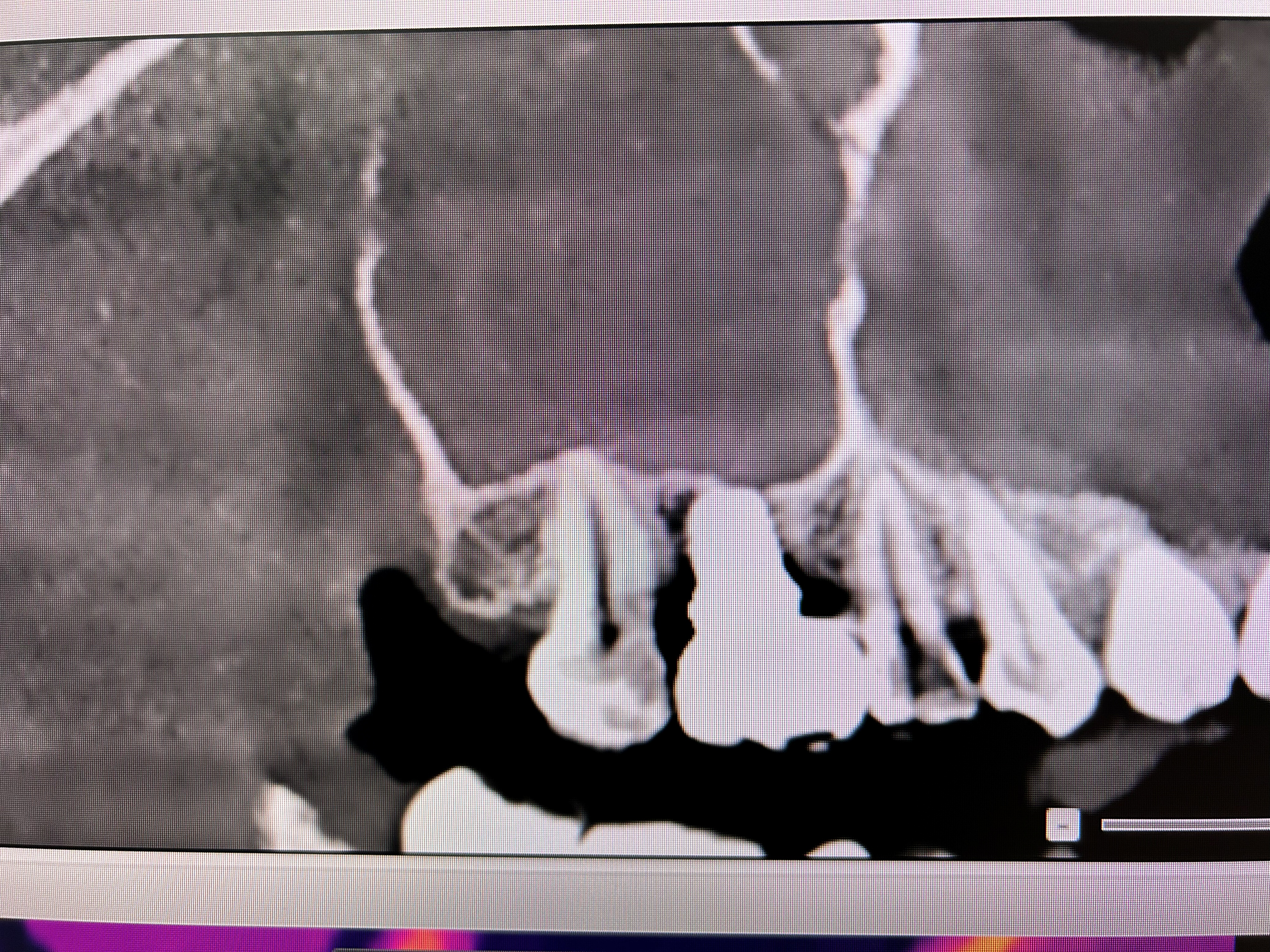
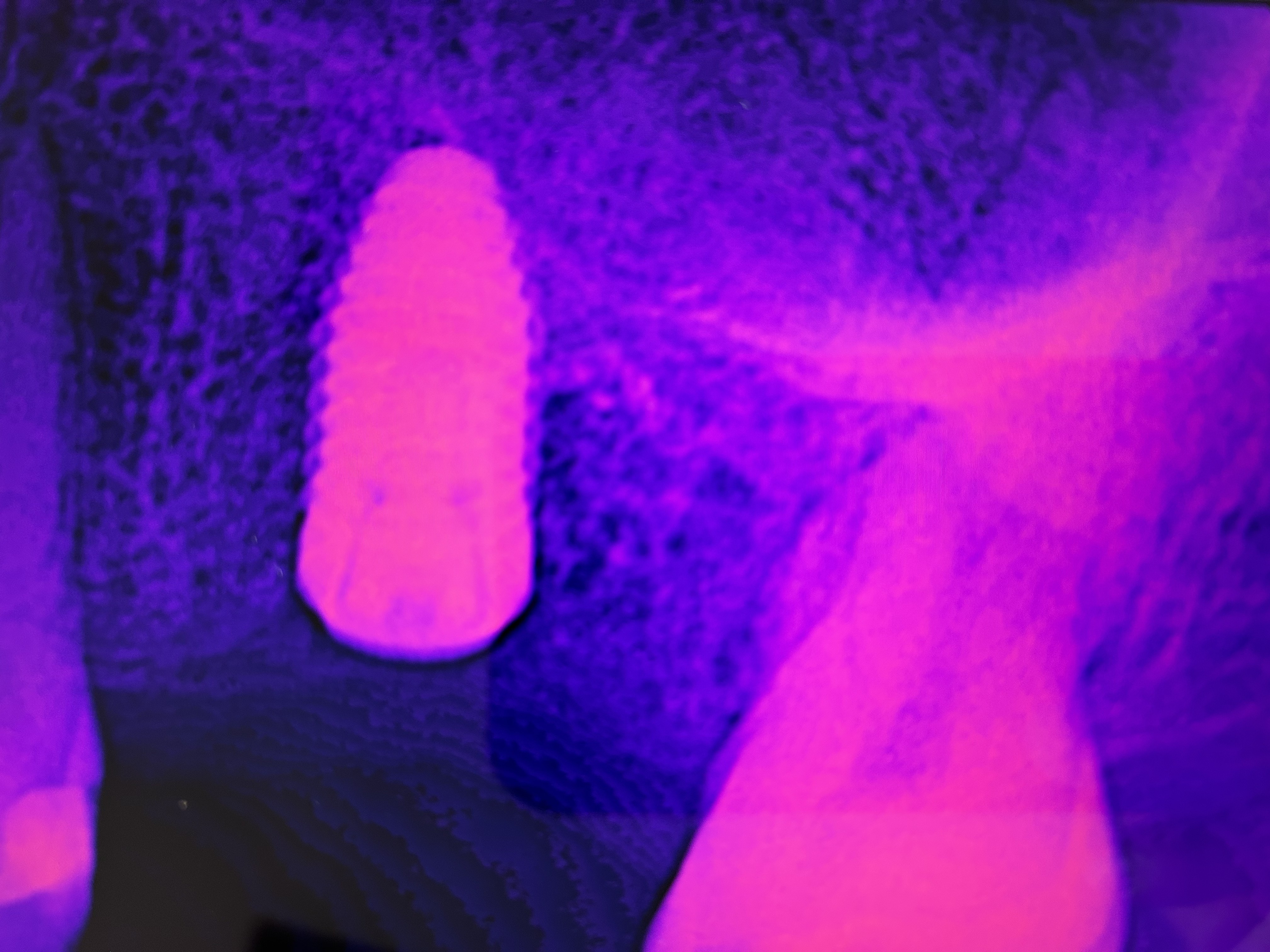
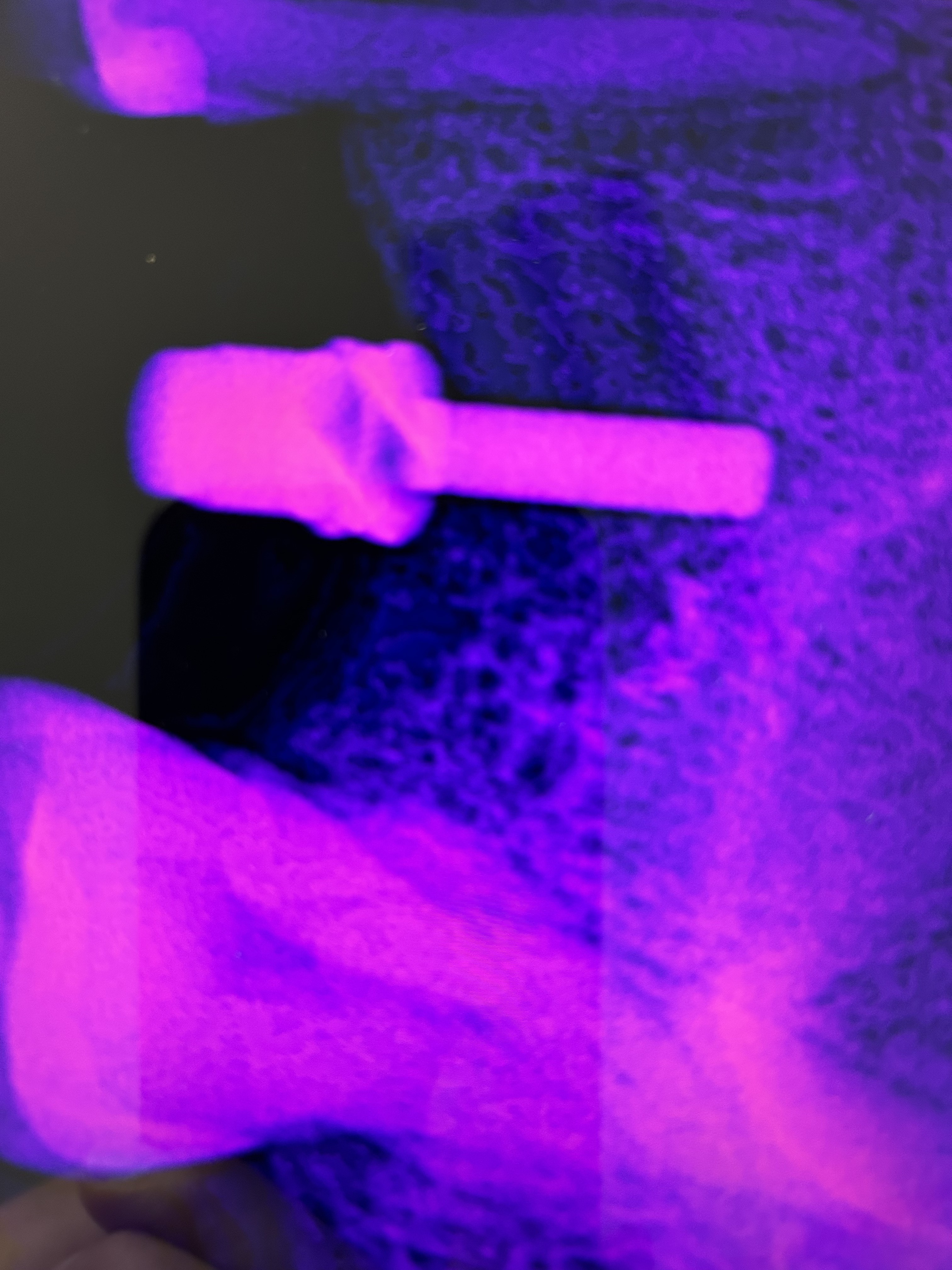
Implant at the maxillary sinus border. When an implant site is close to the maxillary sinus, we can place extra-short implants and, if needed, perform sinus elevation through the osteotomy prepared for implant placement (transalveolar approach).
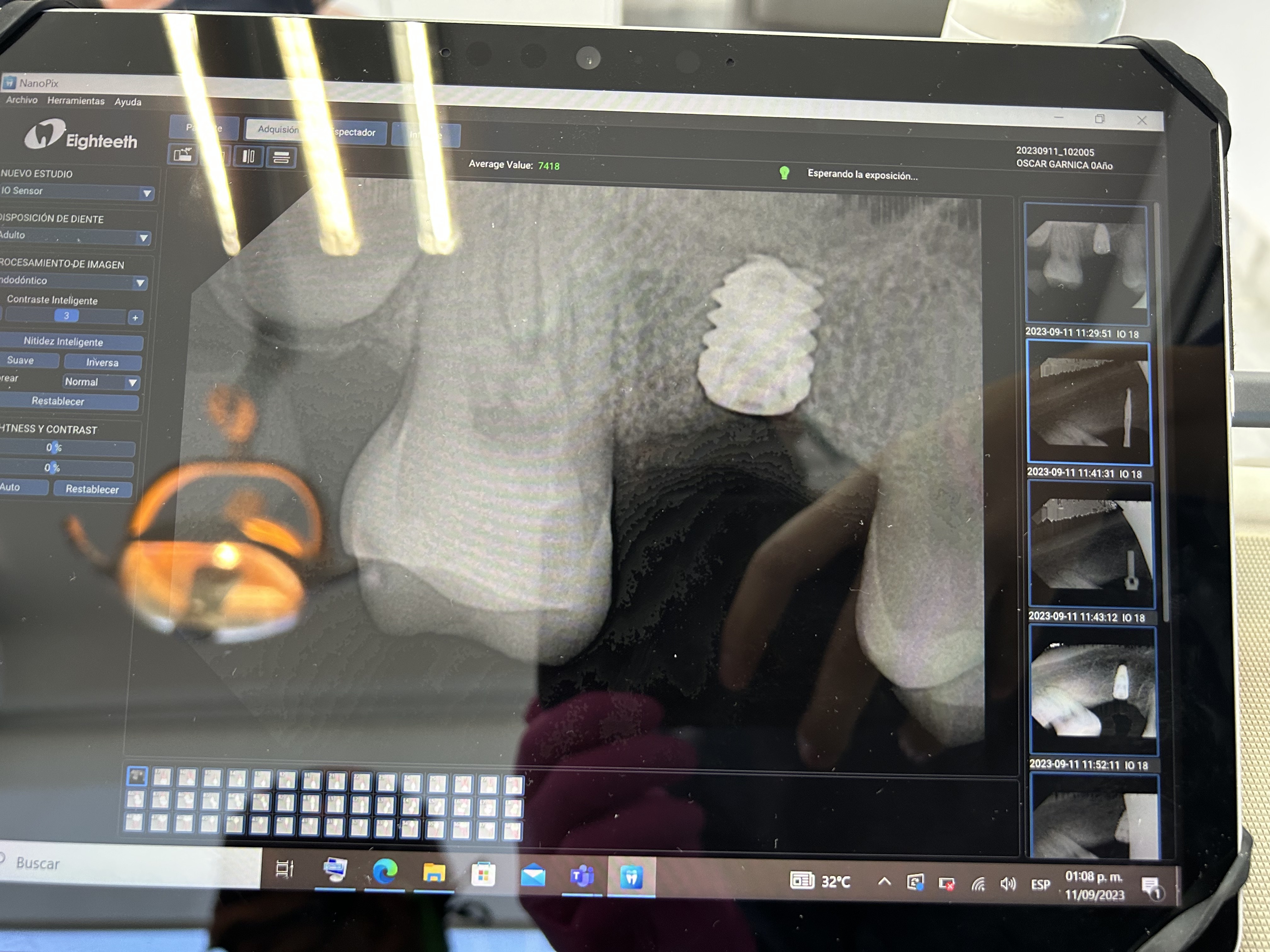
Extra-short implants
In selected cases, extra-short implants can be an alternative when there is proximity to anatomical structures such as the maxillary sinus or when bone availability is limited. Clinical and radiographic evaluation defines the indication and rehabilitation plan.