Mandibular Dislocation
Mandibular dislocation: causes, symptoms, treatment, and clinical cases.
Most common causes of mandibular dislocation
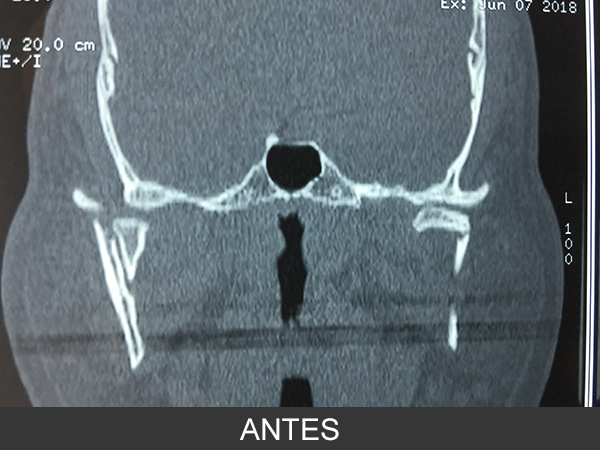
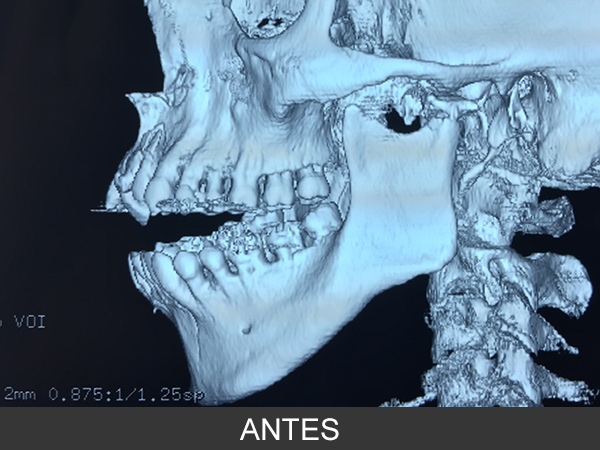
These dislocations usually occur during maximum opening, such as yawning, or sometimes without any clear cause. The mandibular condyles can no longer return into the glenoid fossa, often due to an absent or significantly worn articular eminence, so there is no anatomical stop to prevent the jaw from dislocating.
When there are lower jaw problems, patients commonly report the following symptoms:
- Jaw clicking.
- Jaw locking.
- Jaw deviation when opening.
- Fatigue when chewing.
- Ear pain with no findings on ENT evaluation.
- Headache.
- Neck pain.
These symptoms are common and there are adequate treatment options, whether conservative or surgical, to correct these problems.
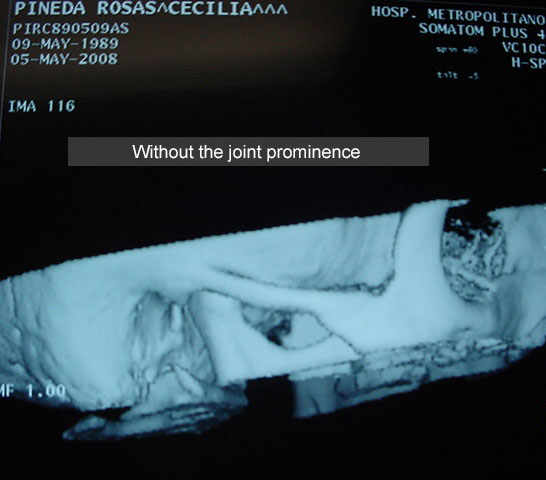
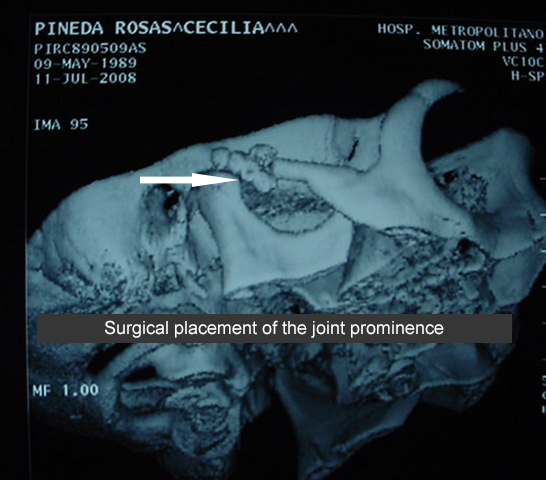
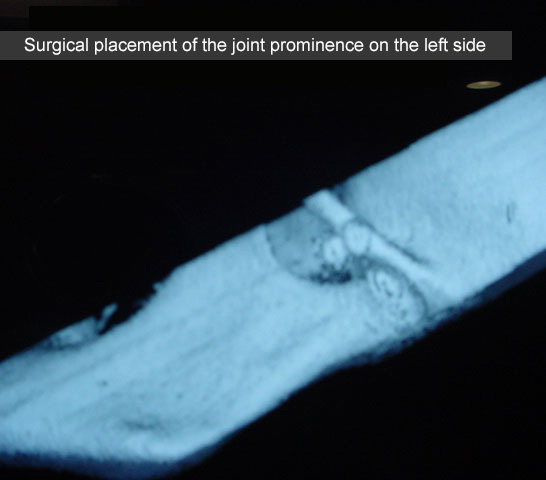
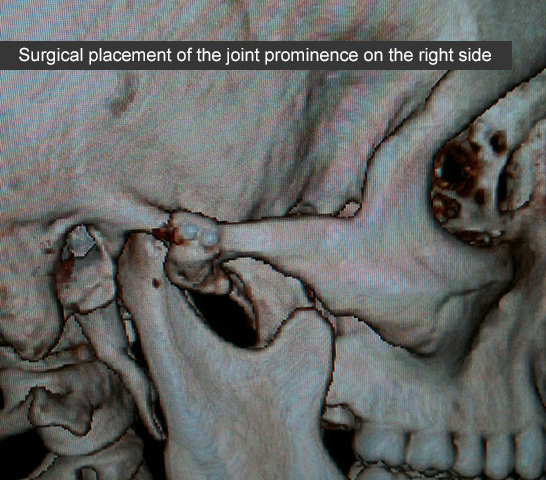
Placement of the articular eminence due to an anatomic deficiency
If this eminence does not exist or is very small, mandibular dislocations are very frequent.
Jaw pain
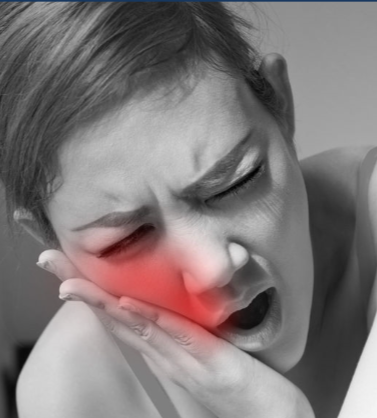
Jaw pain may be related to temporomandibular joint (TMJ) issues, inflammation, muscle overload, or infection. A proper evaluation helps define the most appropriate treatment plan (conservative or surgical).
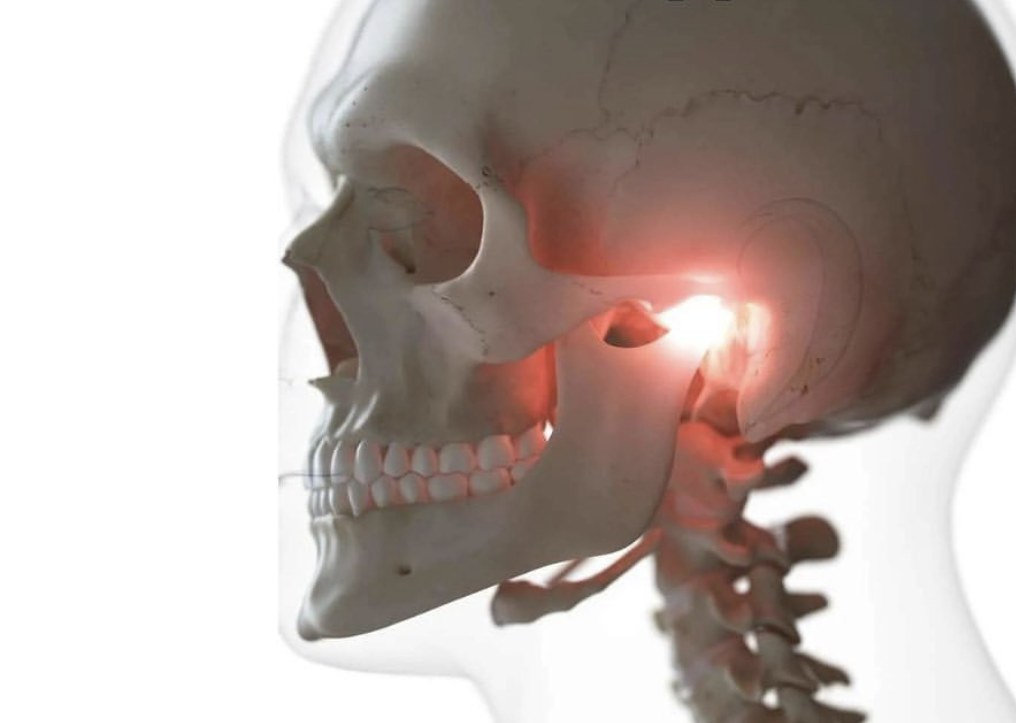

TMJ dislocation case
Clinical case of mandibular dislocation documented with images of the procedure (mandibular dislocation reduction) and follow-up.
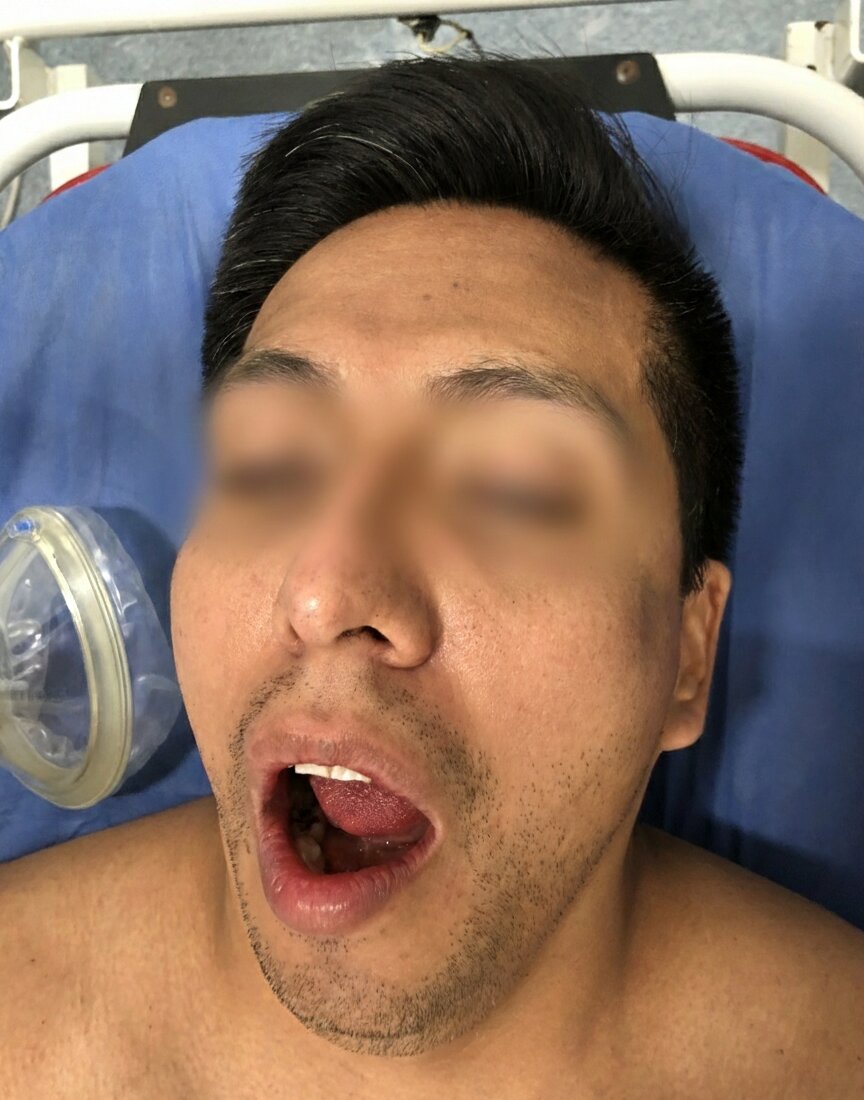
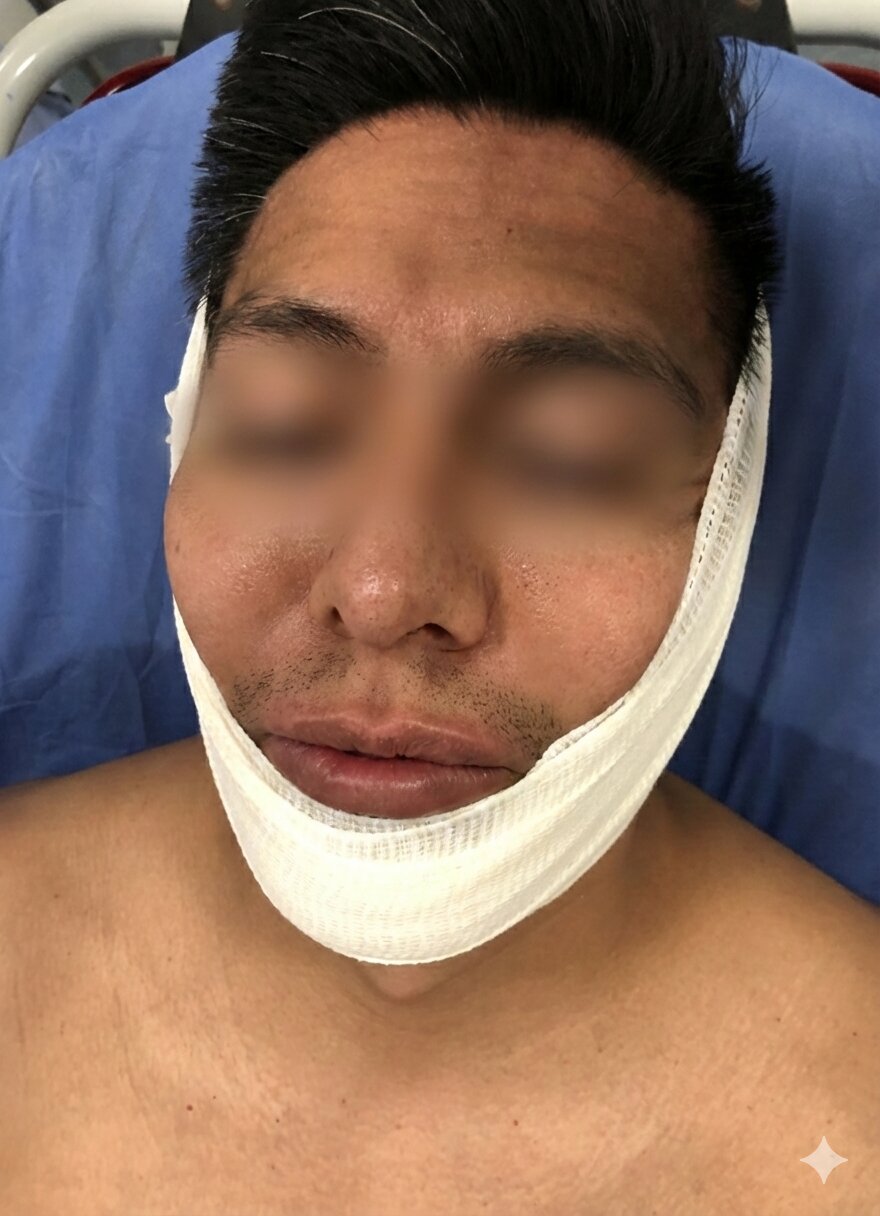
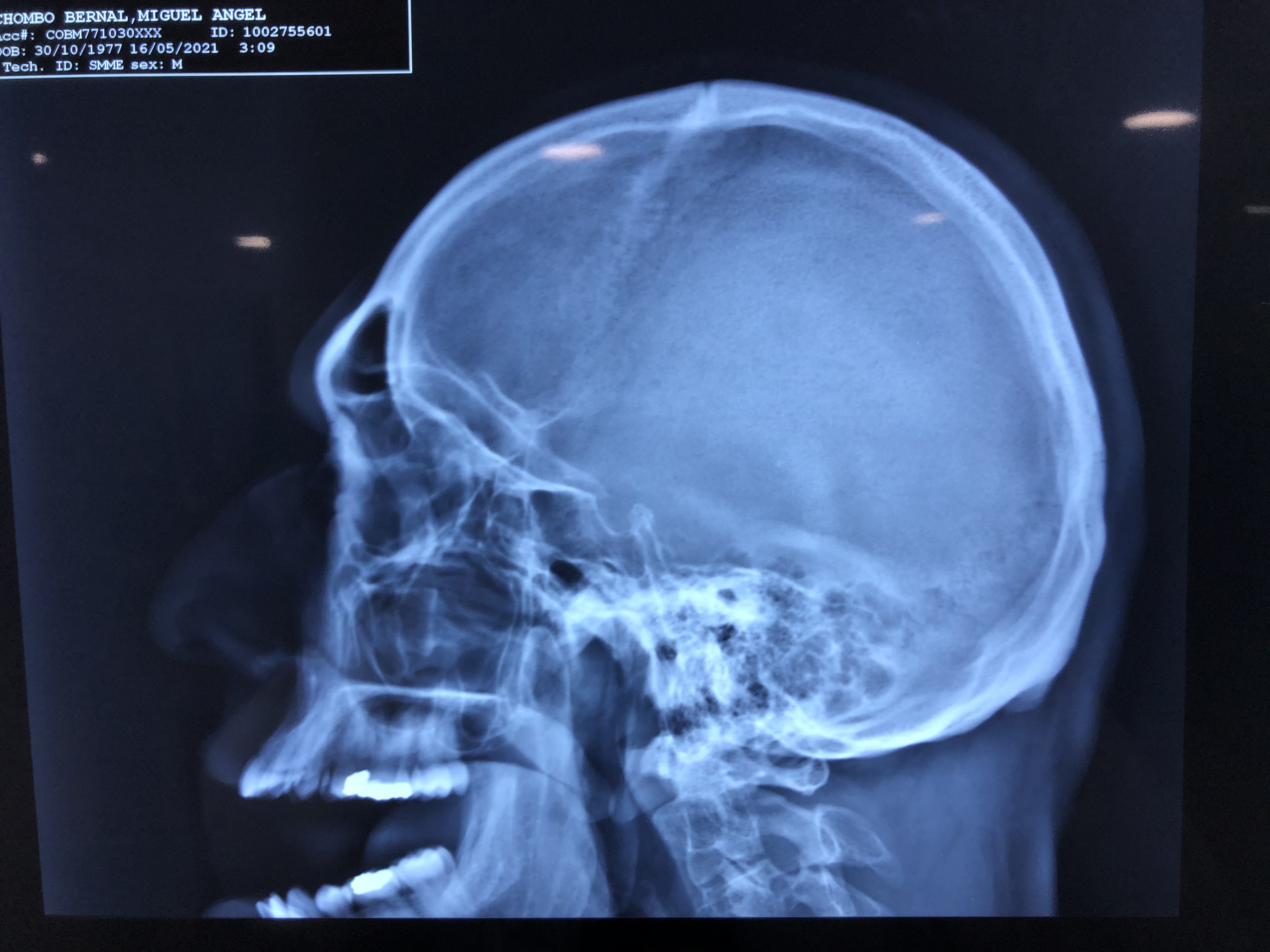
Mandibular dislocation treatment case
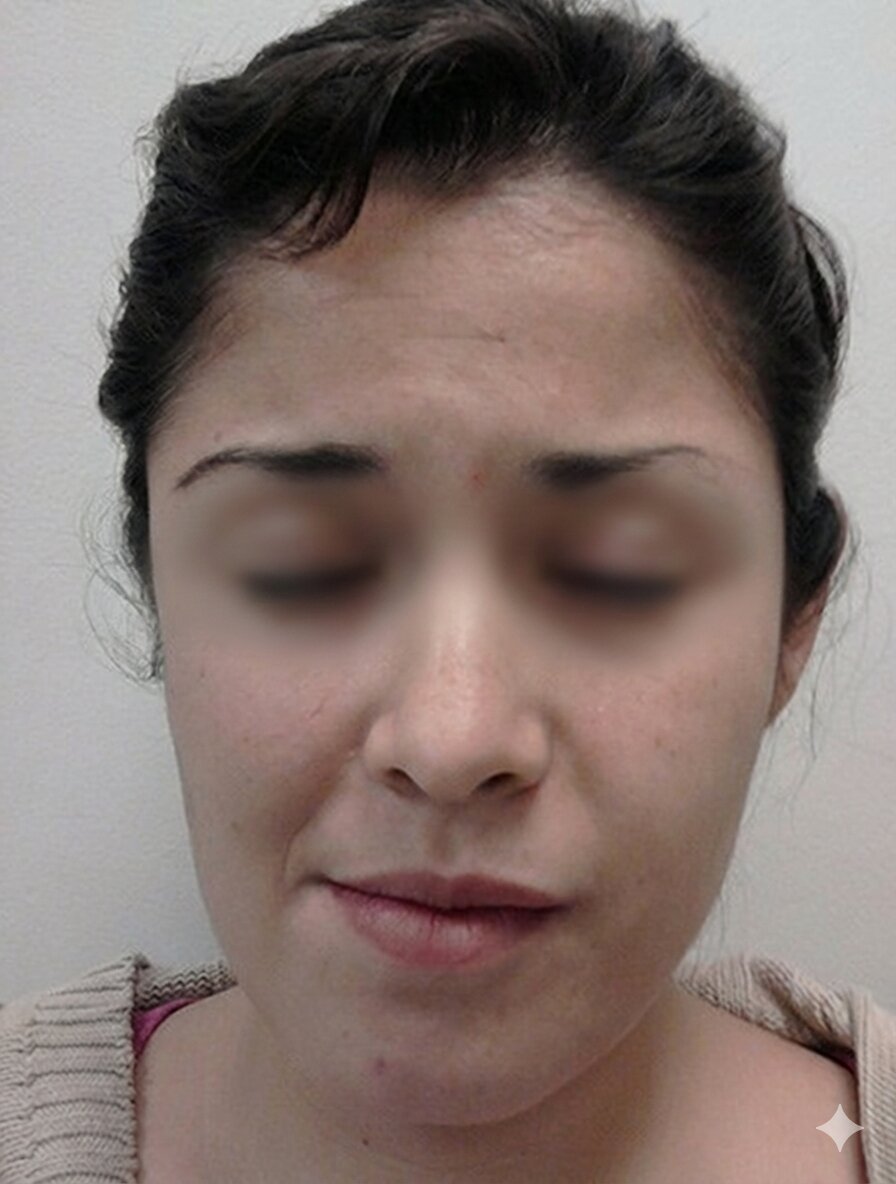
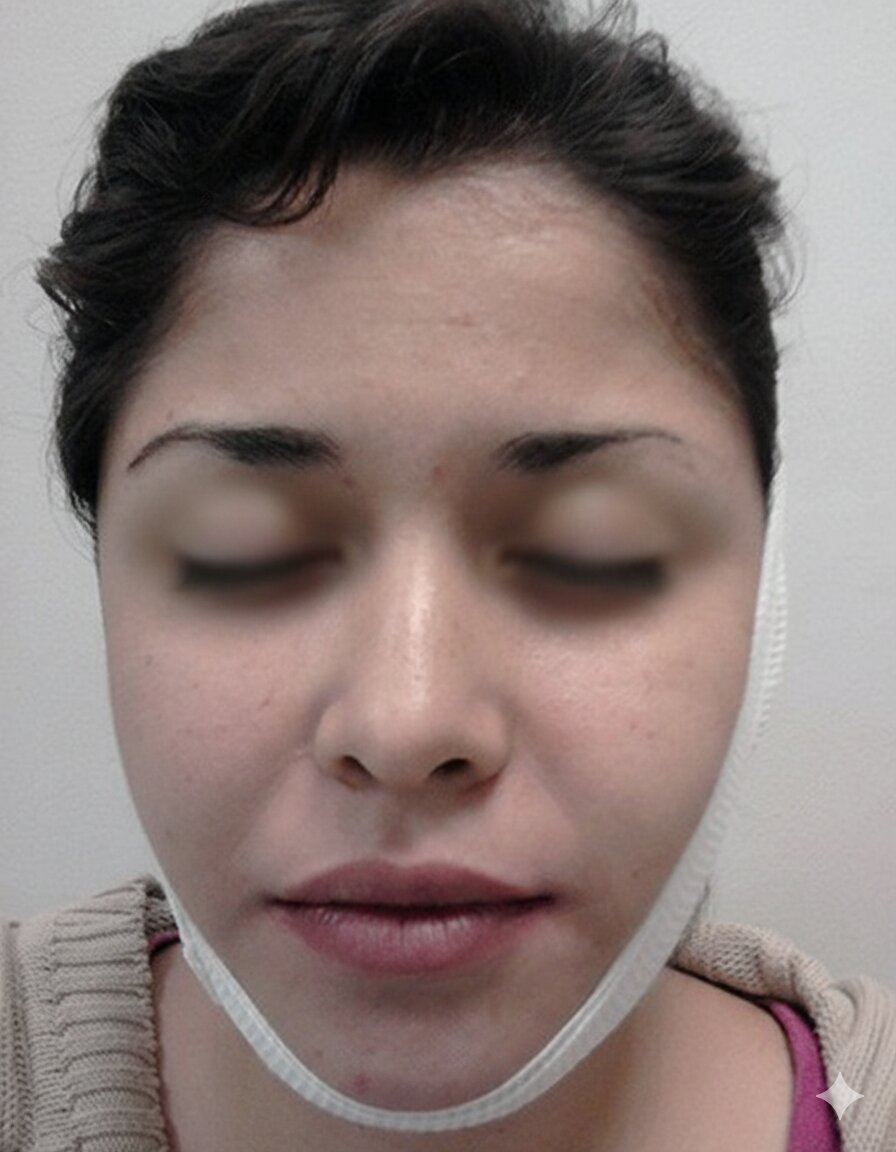
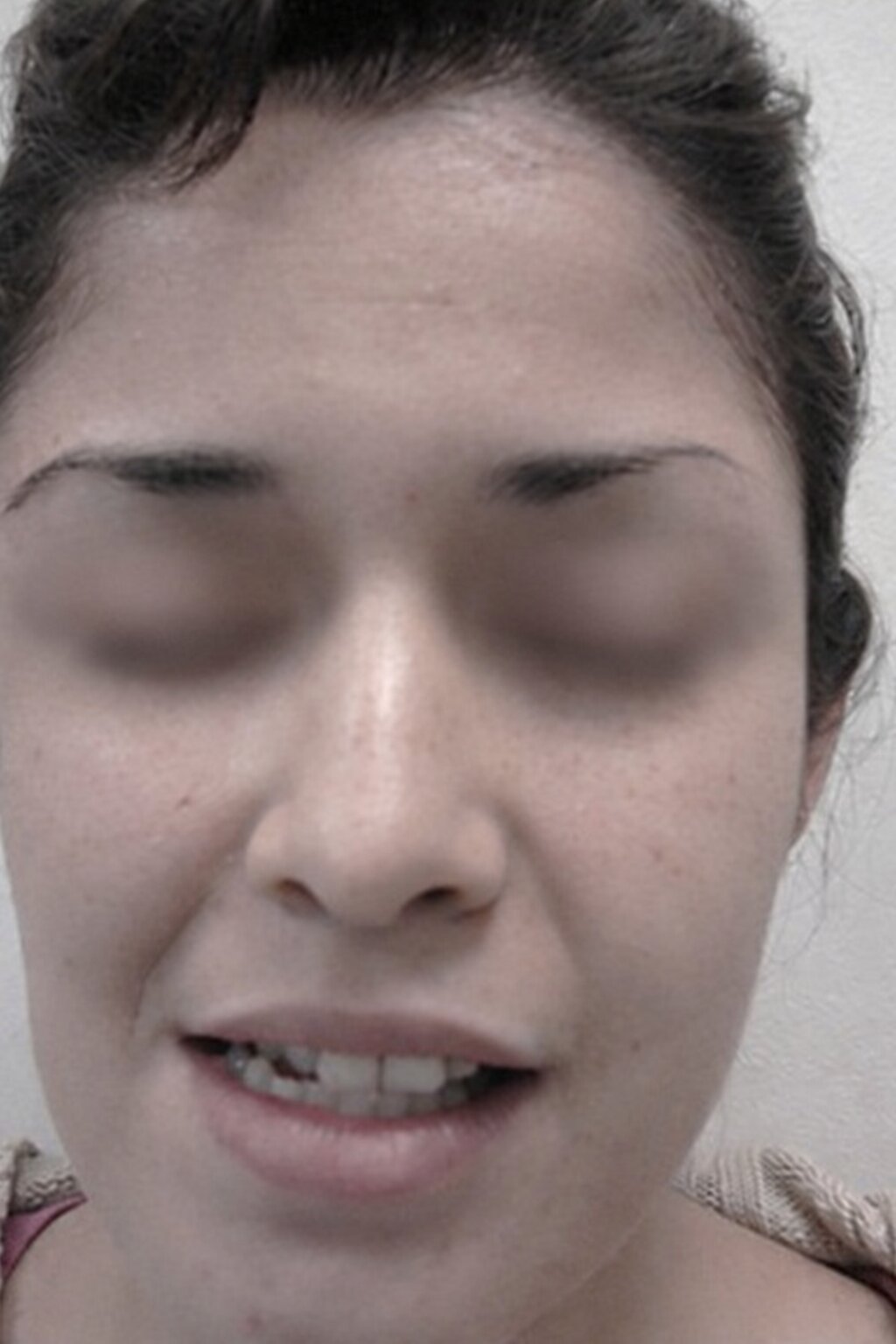
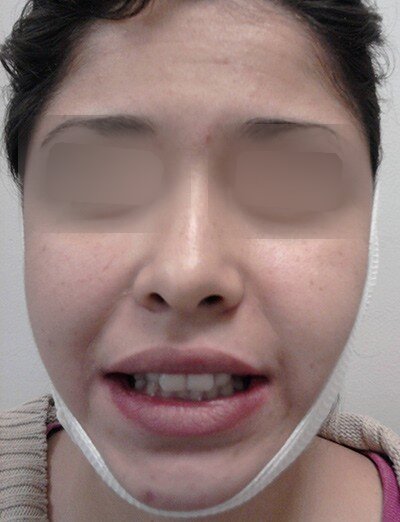
Full mandibular dislocation treatment (clinical cases)
Clinical case
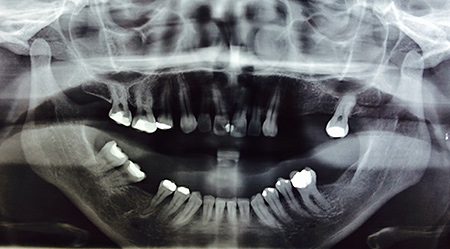
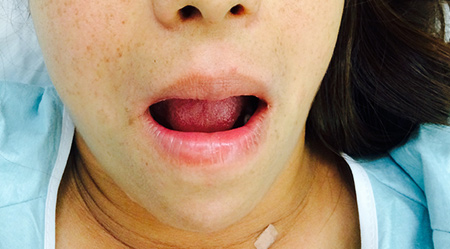
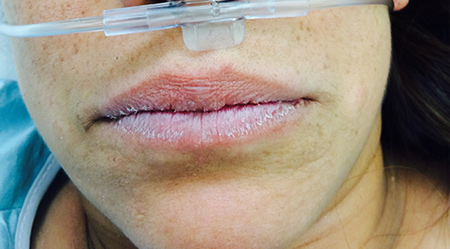
Complete bilateral mandibular dislocation
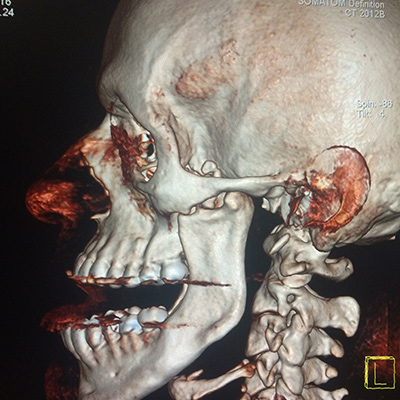
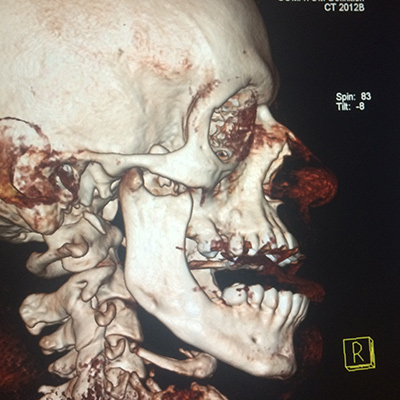
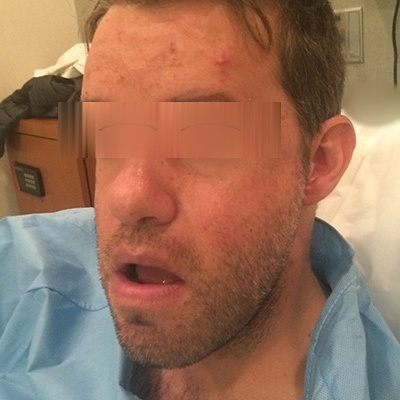
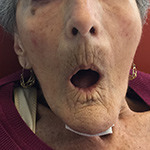
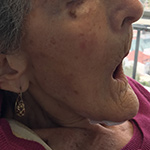
Jaw dislocation treatment in an elderly patient
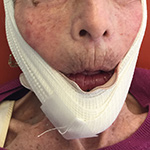
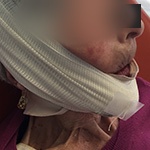
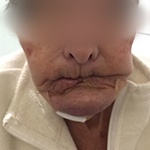
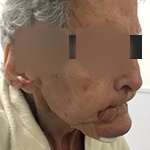
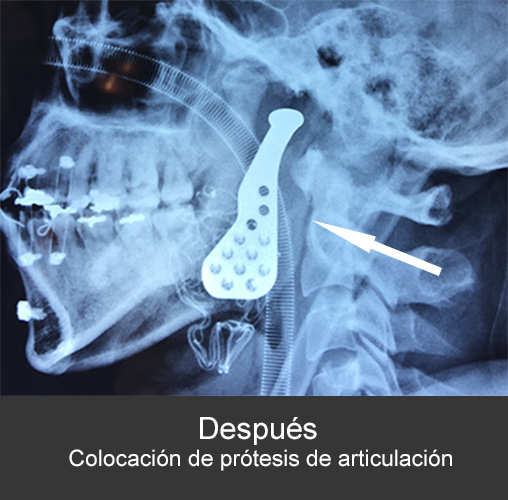
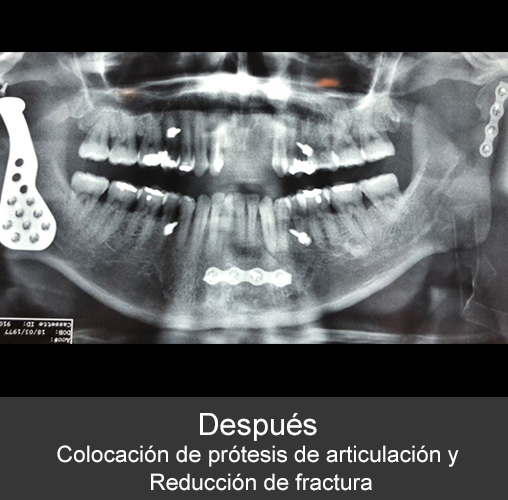
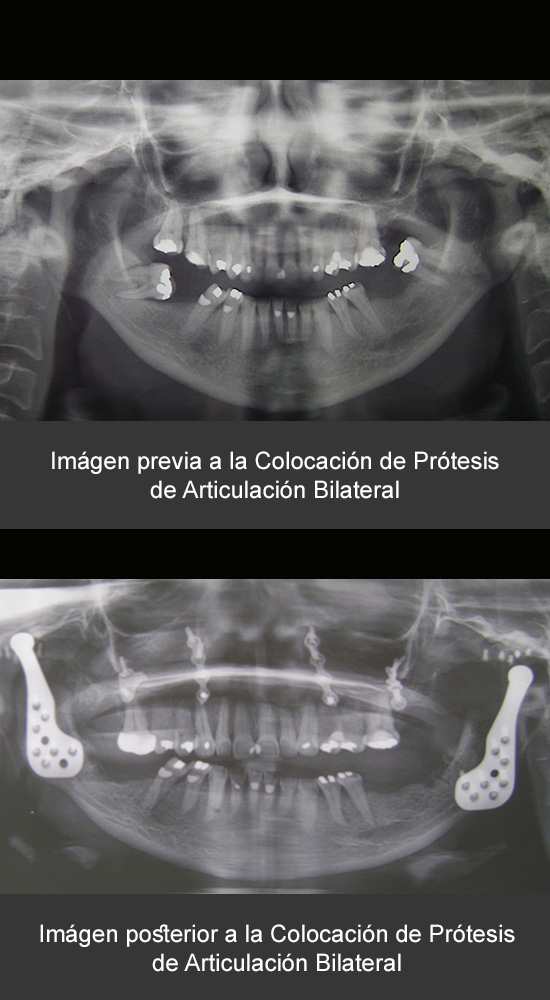
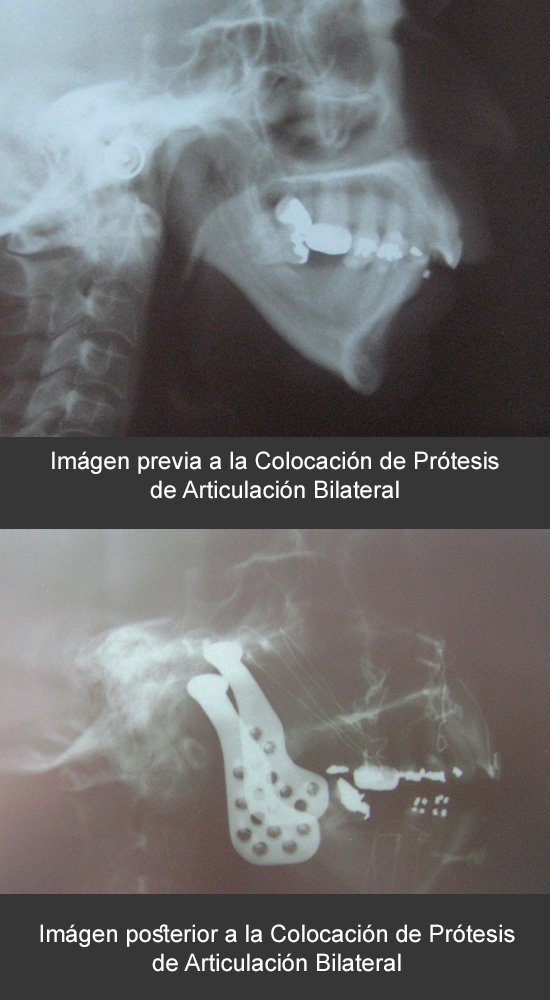
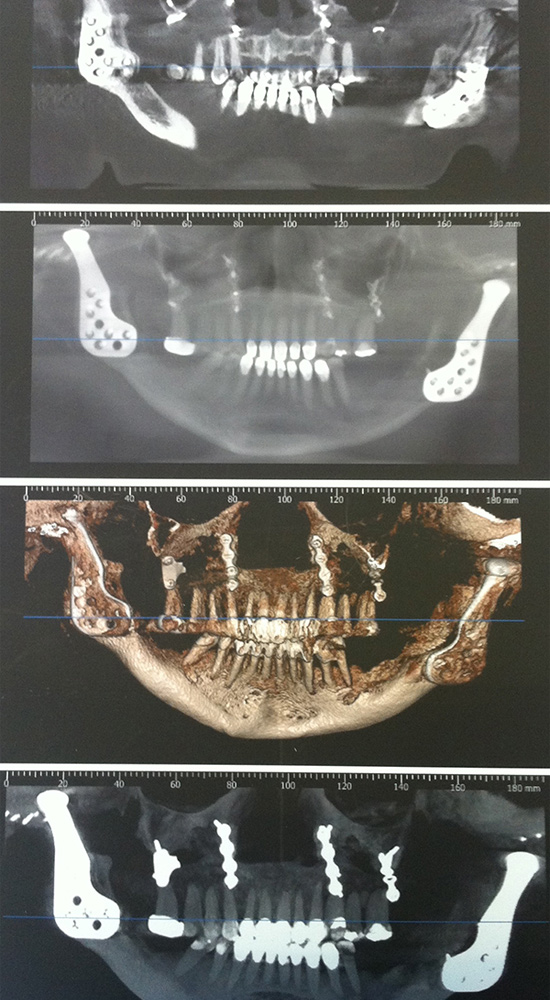
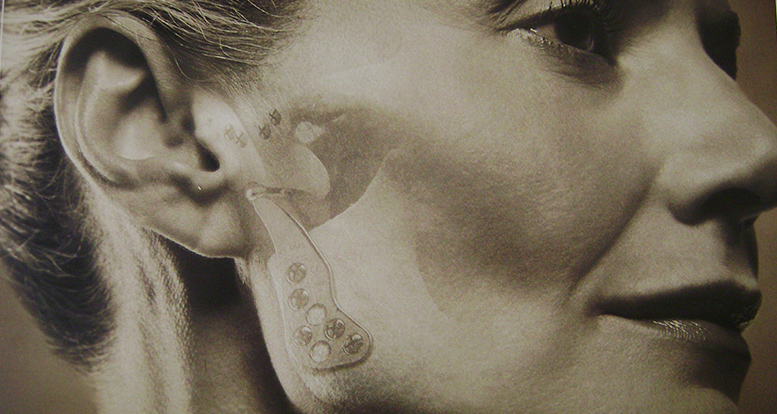
Bilateral joint prosthesis
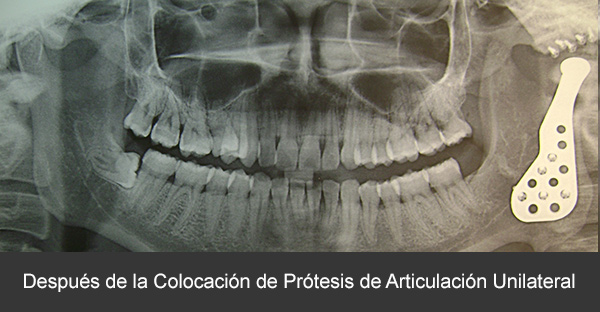
Temporomandibular joint prostheses are the last resort to reconstruct or replace a TMJ. They can be indicated in cases such as non-treatable condylar fractures, condylar resorption or absence, and severe degenerative arthrosis. In the case shown, bilateral prostheses are placed together with orthognathic surgery, since the patient presented a severe skeletal Class II pattern, mandibular retrognathia, airway obstruction, and degenerative condylar arthrosis.
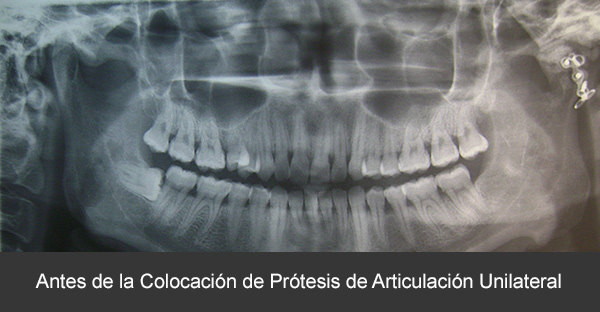
Unilateral joint prosthesis
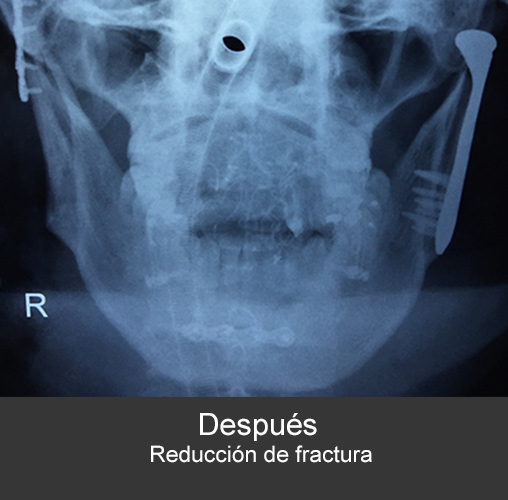
Bilateral condylar fracture trauma