Iatrogenic Corrections
Iatrogenic corrections: complications due to malpractice and clinical cases.
Errors caused by malpractice
Unfortunately, complications in the field of dentistry continue to occur. Many are due to treatments that were not performed by properly trained specialists.
Any oral and/or maxillofacial surgical procedure should be performed by a maxillofacial surgeon, who has hospital and surgical training to manage complications that may arise during and after a procedure.
Below are some case examples:
Post-extraction infections after third molar removal (poor technique)
Post-extraction infections after third molar (wisdom tooth) removal are among the most common complications we treat. They are often associated with insufficient training, poor technique, prolonged procedure times, and lack of adequate equipment.
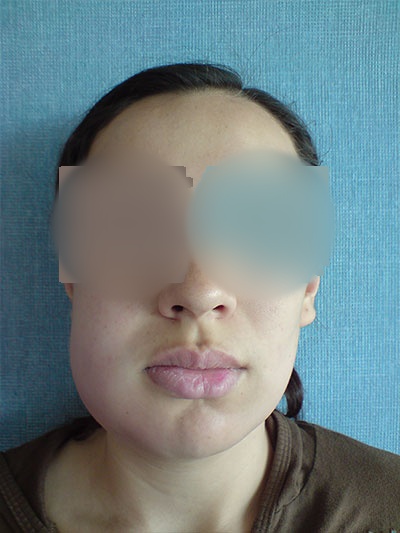
Oro-antral communication (abnormal passage between mouth and nose)
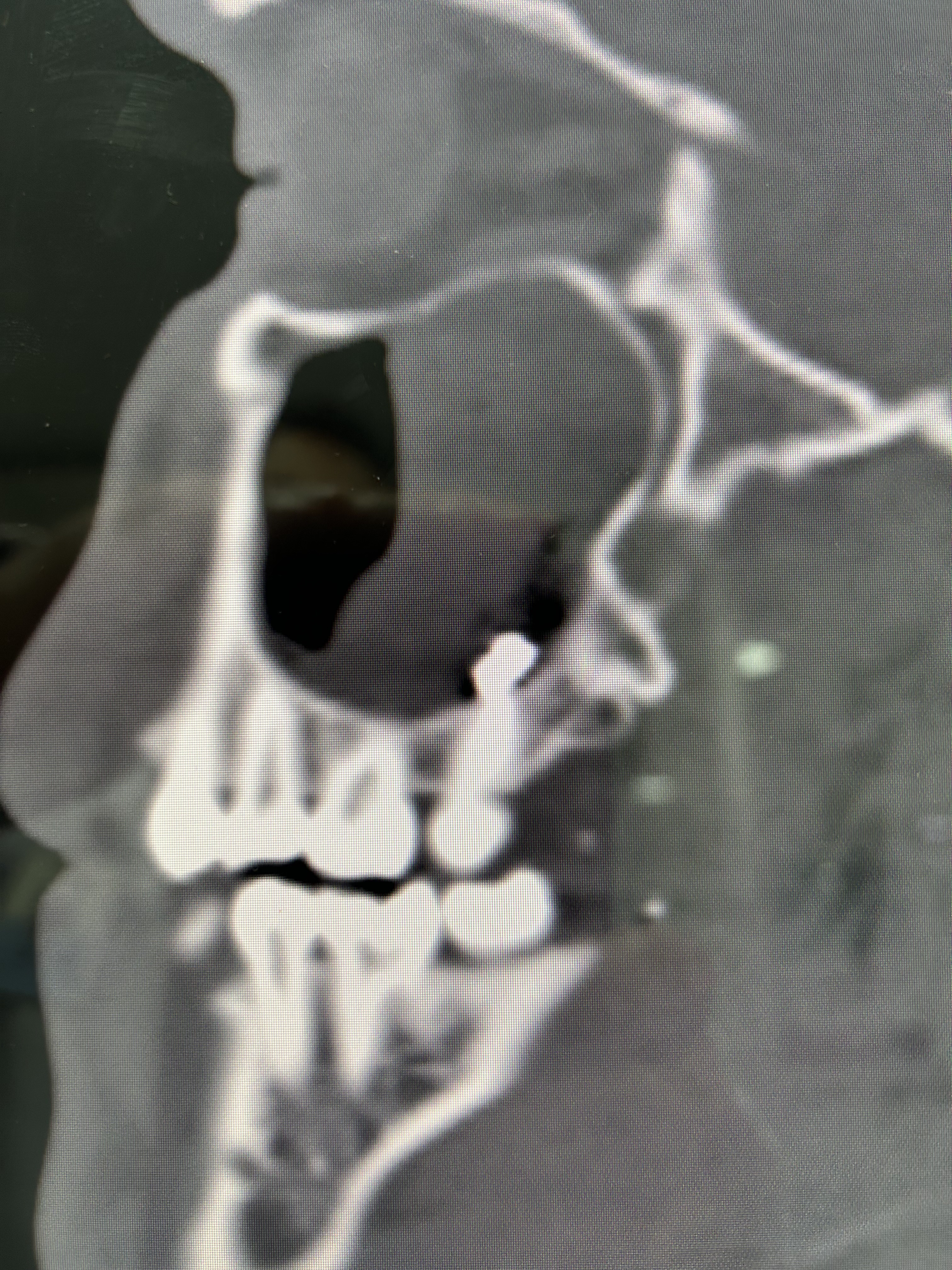
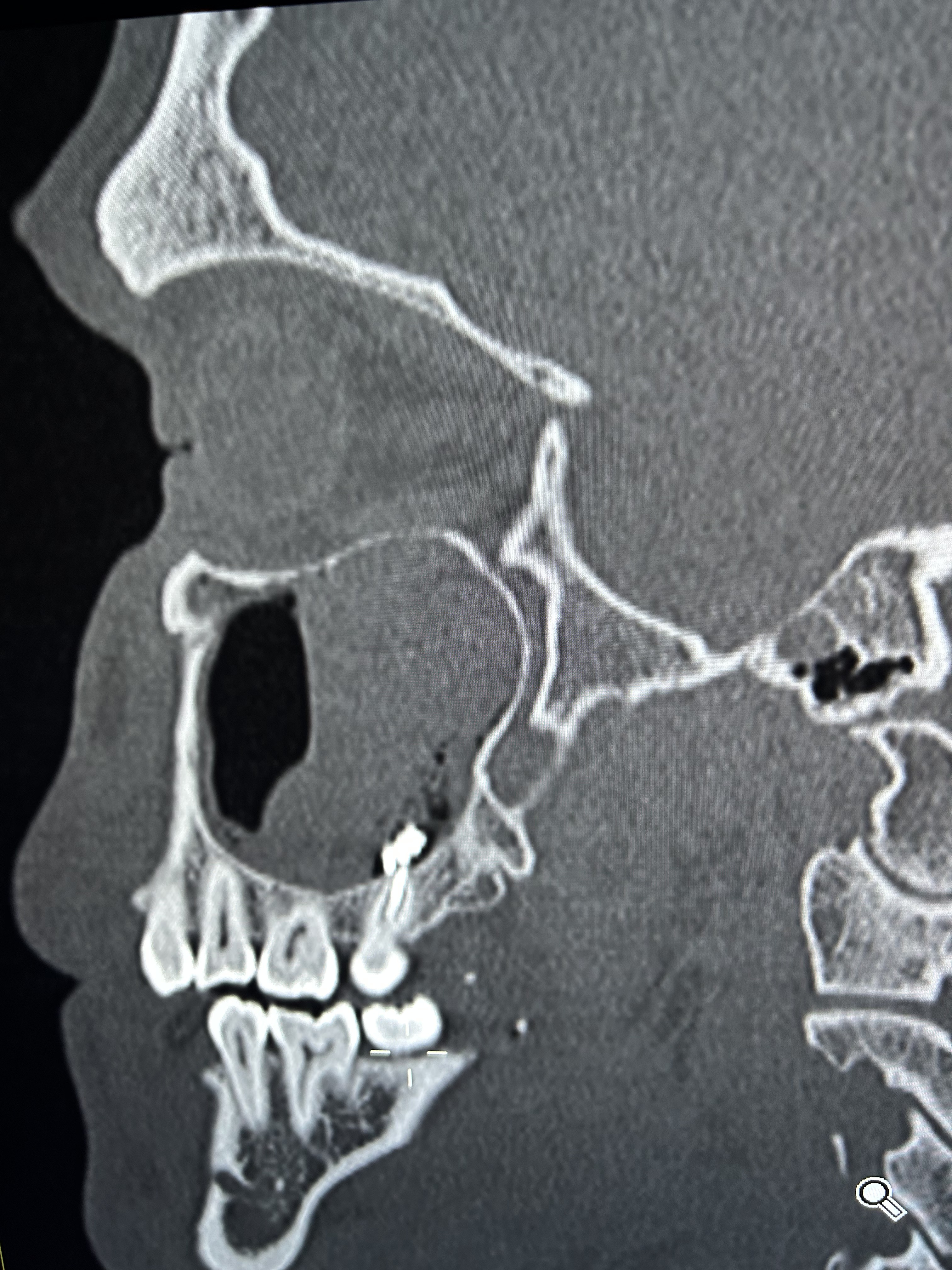
Oro-antral communication after a dental extraction, with drainage of dental material into the maxillary sinus. This can cause liquids to pass from the mouth into the nose.
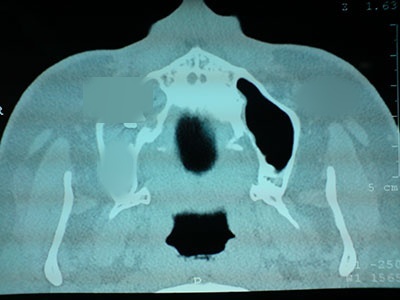
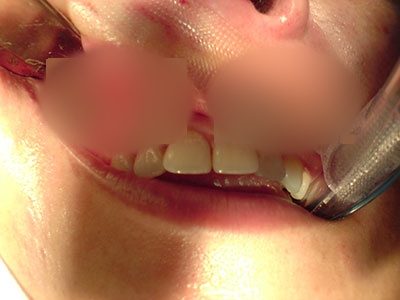
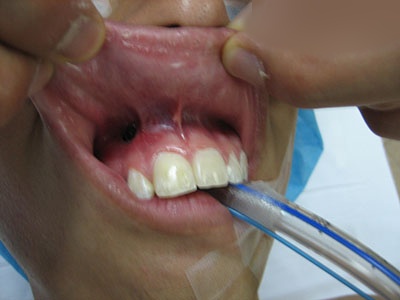
Oro-antral communication: surgical closure (cases)
In some patients, surgical closure is required to prevent liquids from passing into the nose, reduce the risk of sinus infection, and promote proper healing.
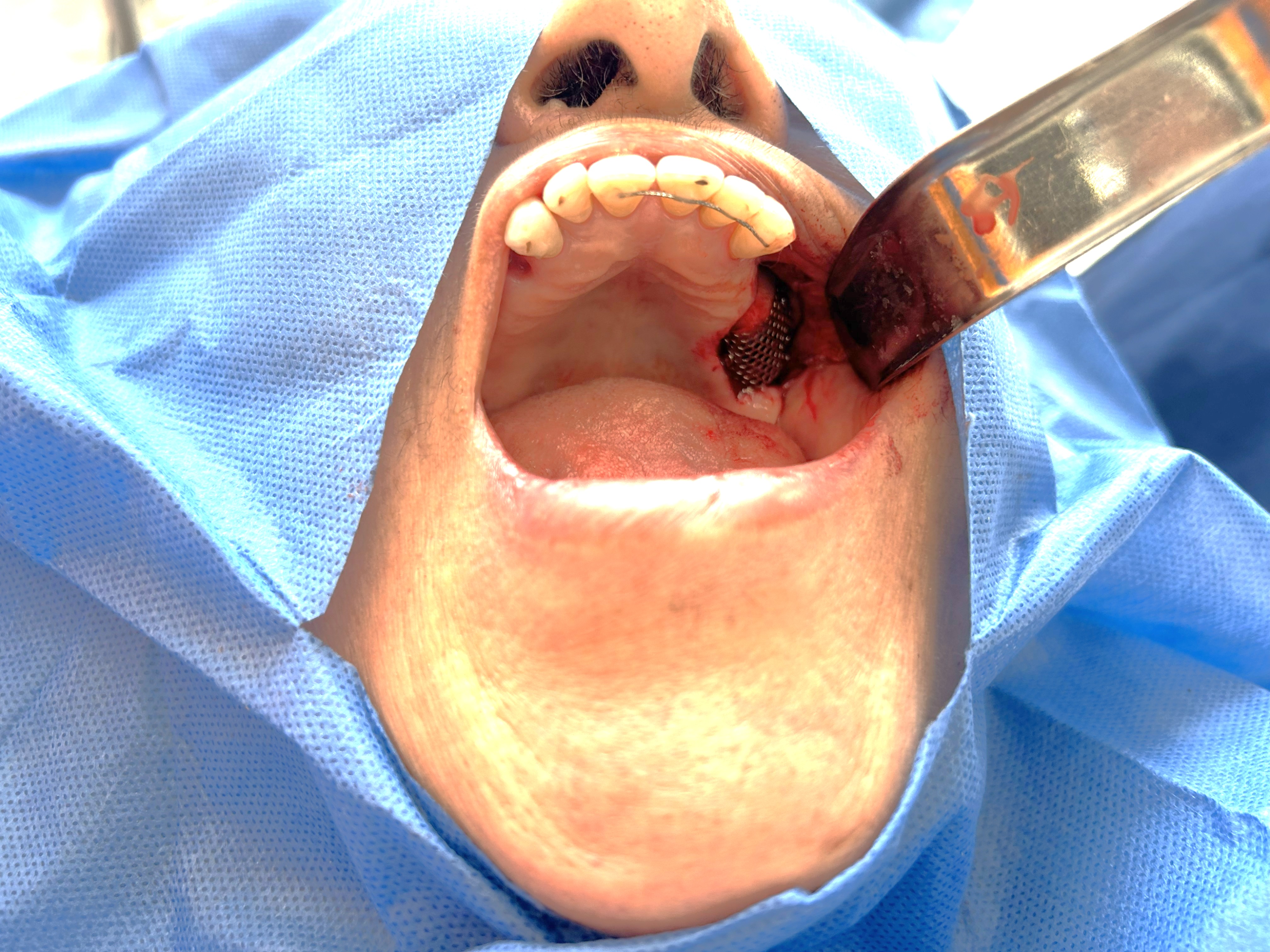
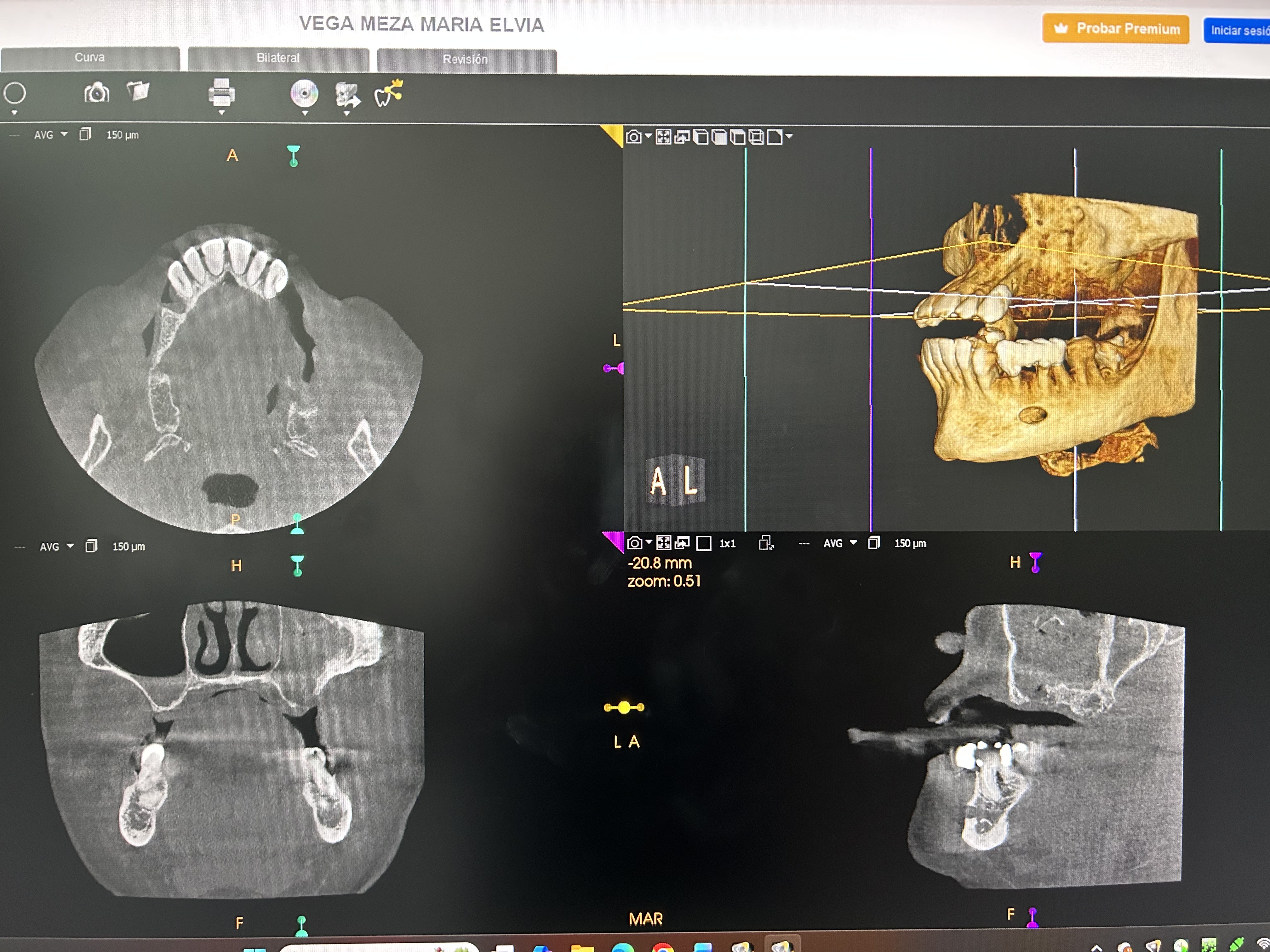
Case 1: Oro-antral communication closure
Closure was performed using a flap technique and supportive material, achieving an adequate seal and favorable recovery.
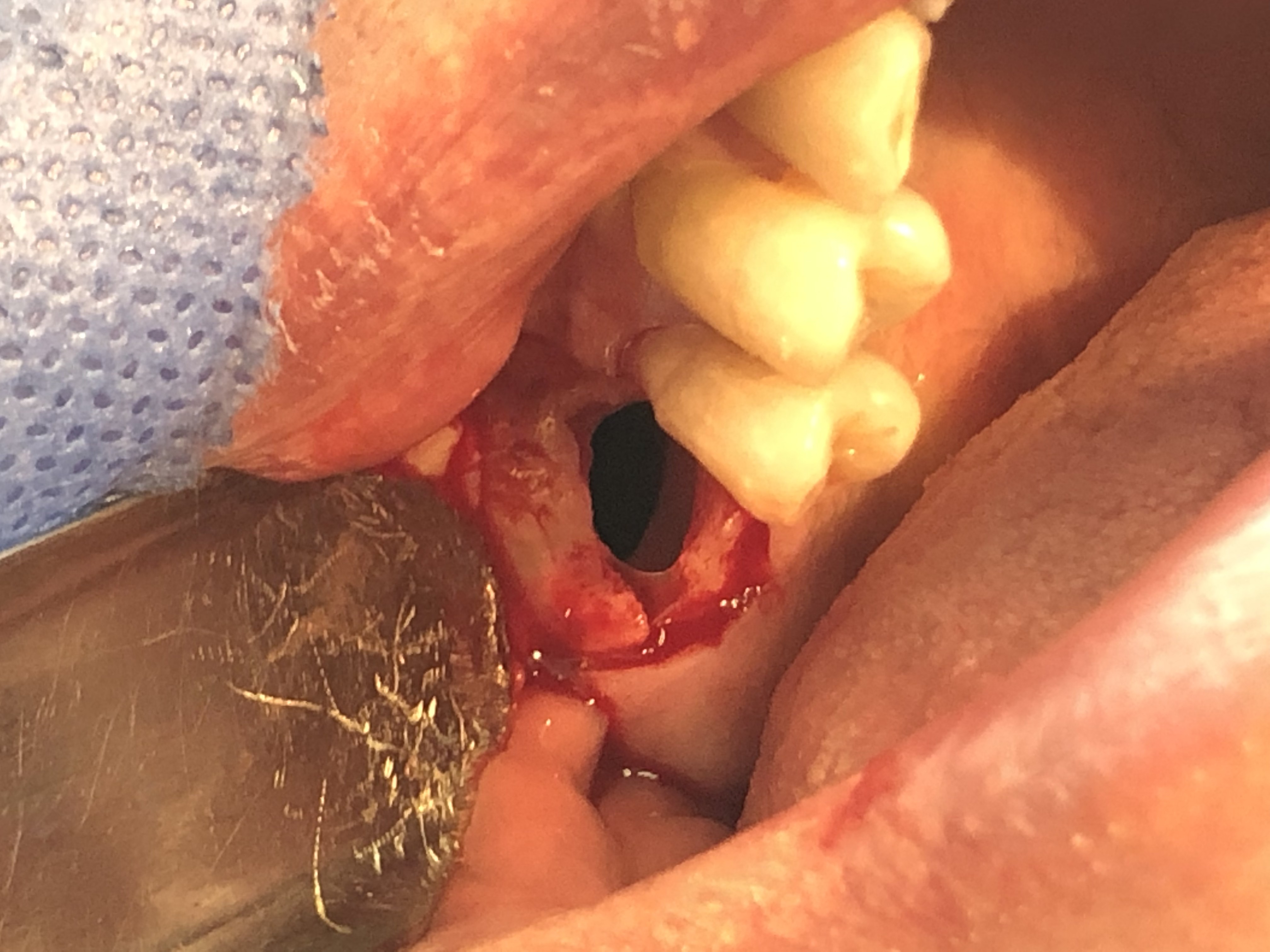
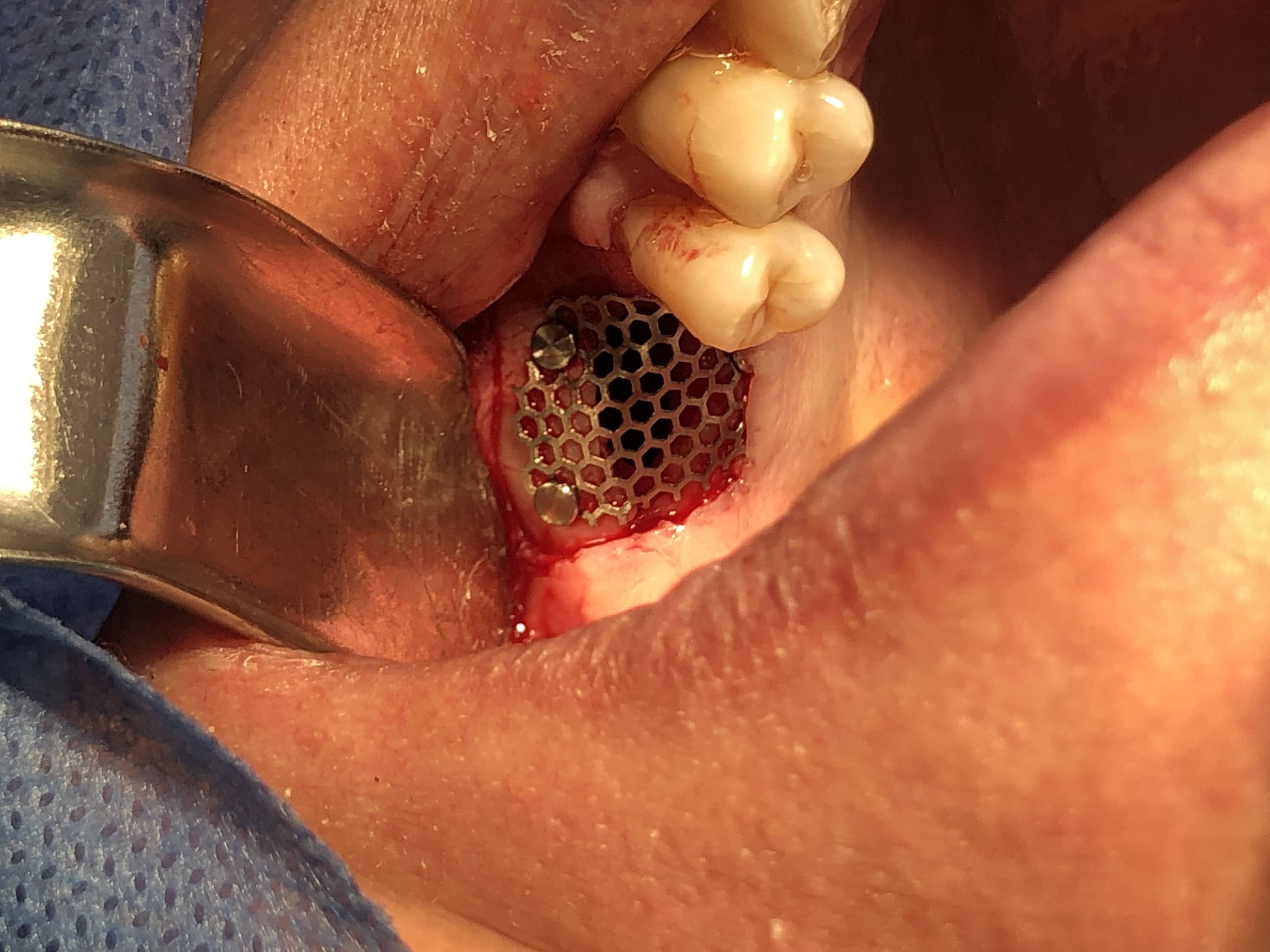
Case 2: Oro-antral communication closure
Clinical case with surgical closure and follow-up, with favorable evolution.
Several cases of iatrogenic correction (correction of previous malpractice)
The above cases show various complications caused by malpractice. It is vital that patients work with true specialists. The appropriate specialist to perform oral and maxillofacial surgical procedures is the maxillofacial surgeon.
Some causes of complications seen in clinical practice:
- Severe sublingual hematoma and airway obstruction during an attempted dental implant placement due to vascular injury.
- Prolonged third molar extraction attempt with mandibular dislocation and bleeding.
- Broken anesthetic needle within the soft tissue of the jaw.
- Posterior maxillary necrosis after orthognathic surgery due to compromised blood supply.
- Osteomyelitis (bone infection) after dental extraction.
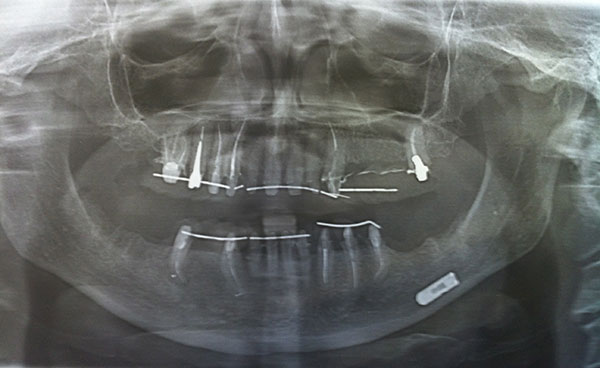
Dental implants displaced into the maxillary sinus
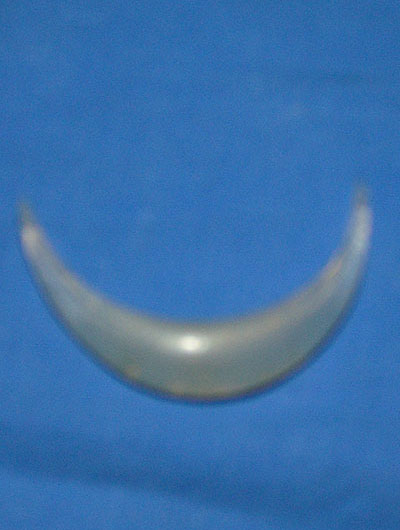
Removal of a Silastic polymer implant due to infection
Negative reaction to a Silastic implant, which required removal
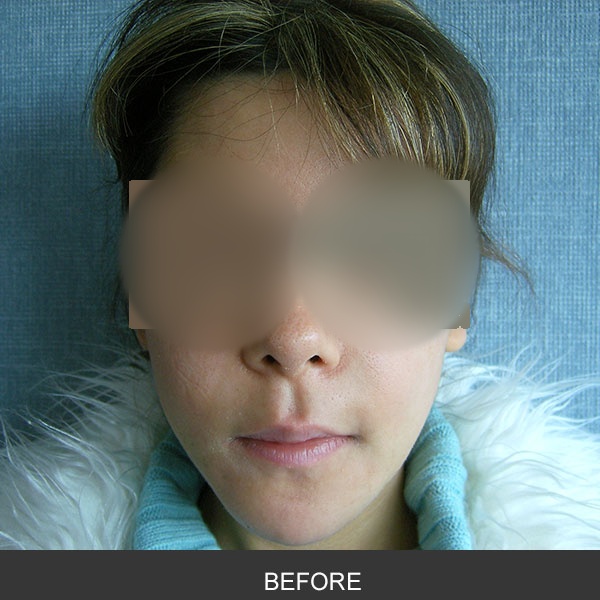
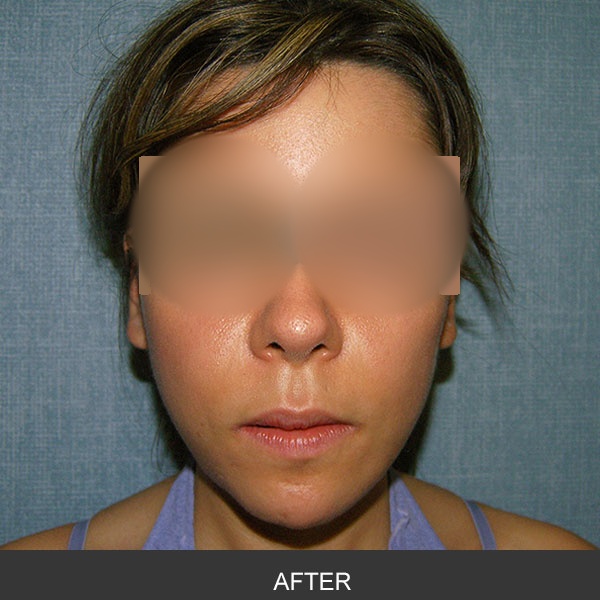
Removal and correction of an improper Silastic mentoplasty (chin surgery)
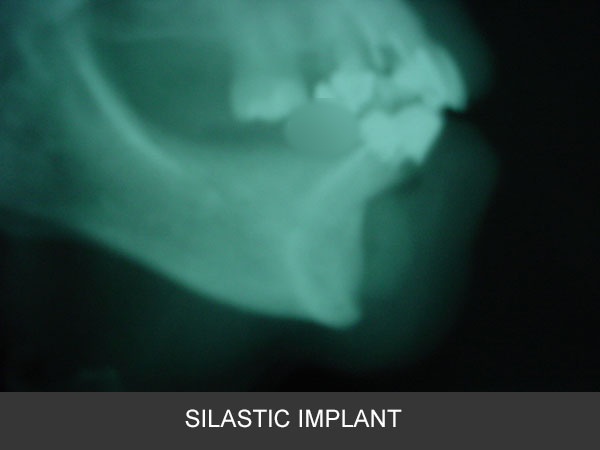
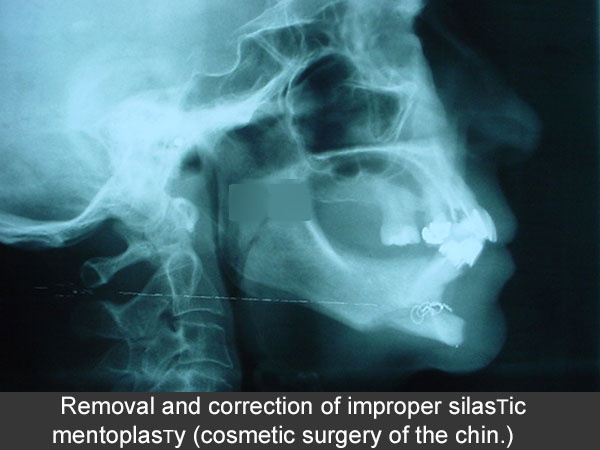
Removal and correction of an improper Silastic mentoplasty (chin surgery)
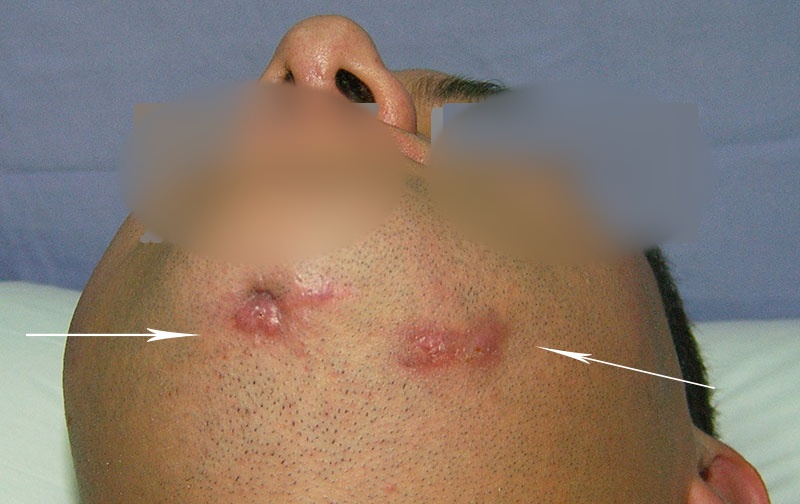
Mandibular abscess and fracture after an attempted third molar extraction
Clinical case in which an attempted extraction without an appropriate surgical approach resulted in an infectious complication and bony involvement. These cases require evaluation, infection control, and surgical management depending on damage and clinical evolution.
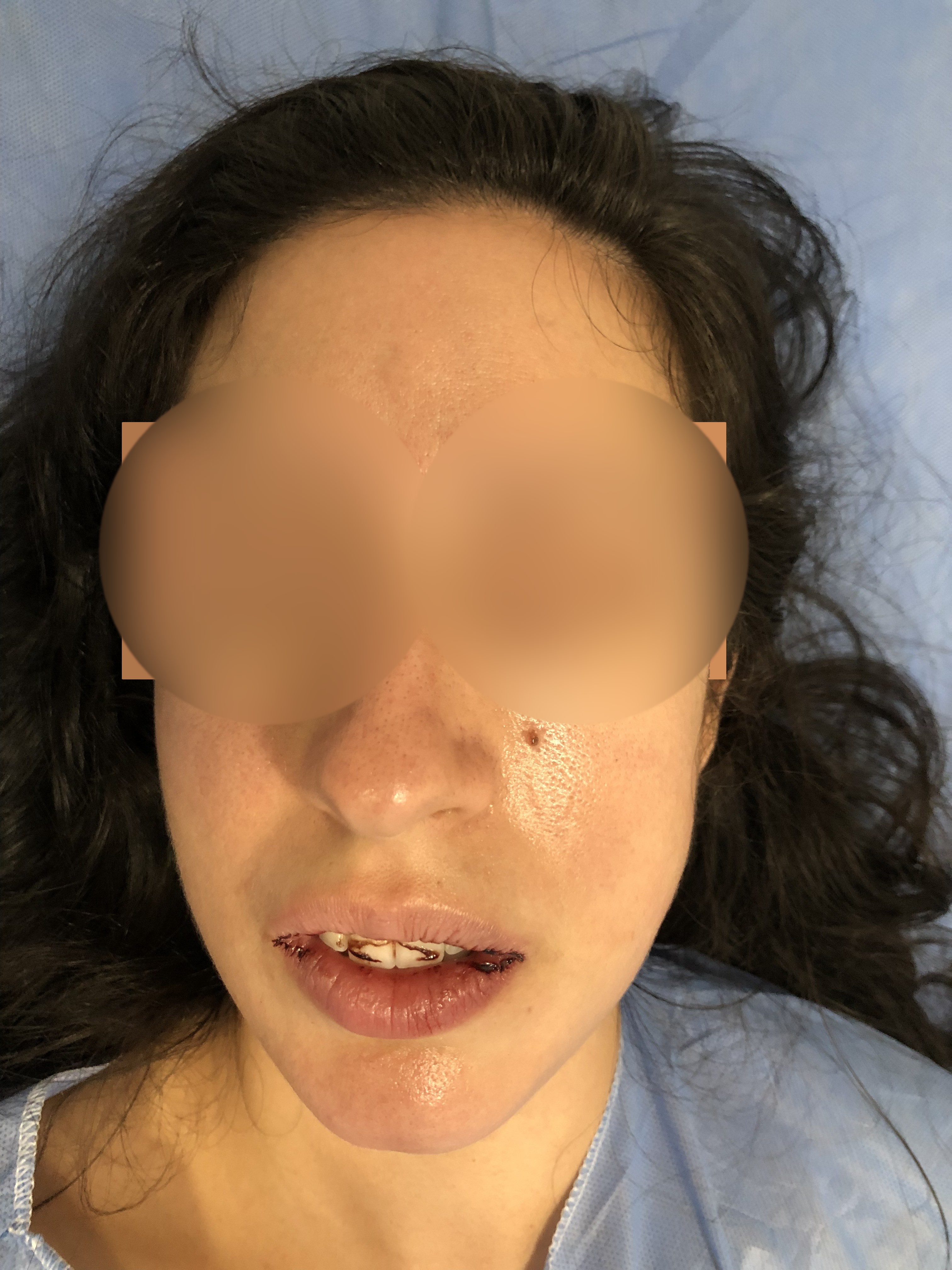
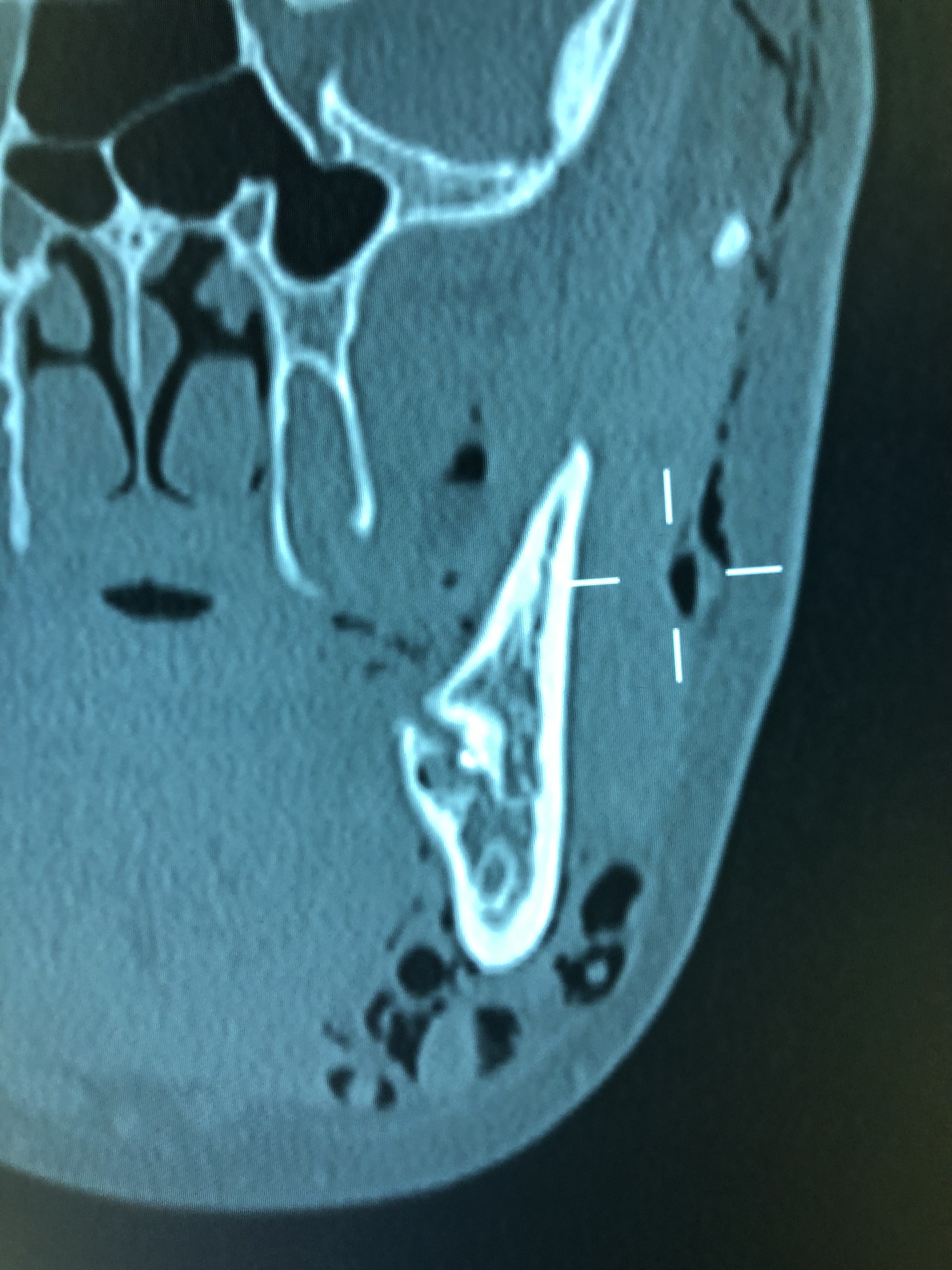
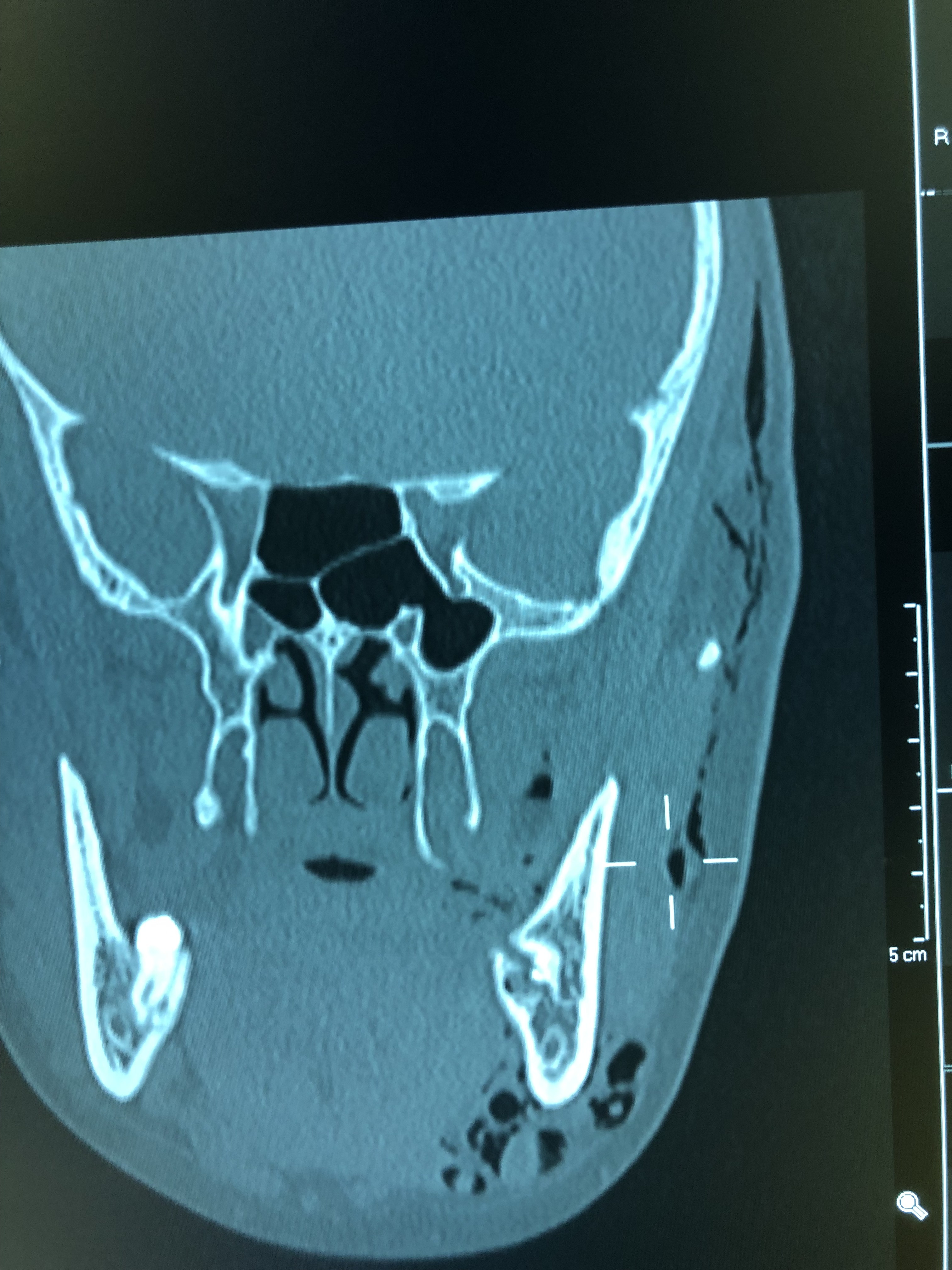
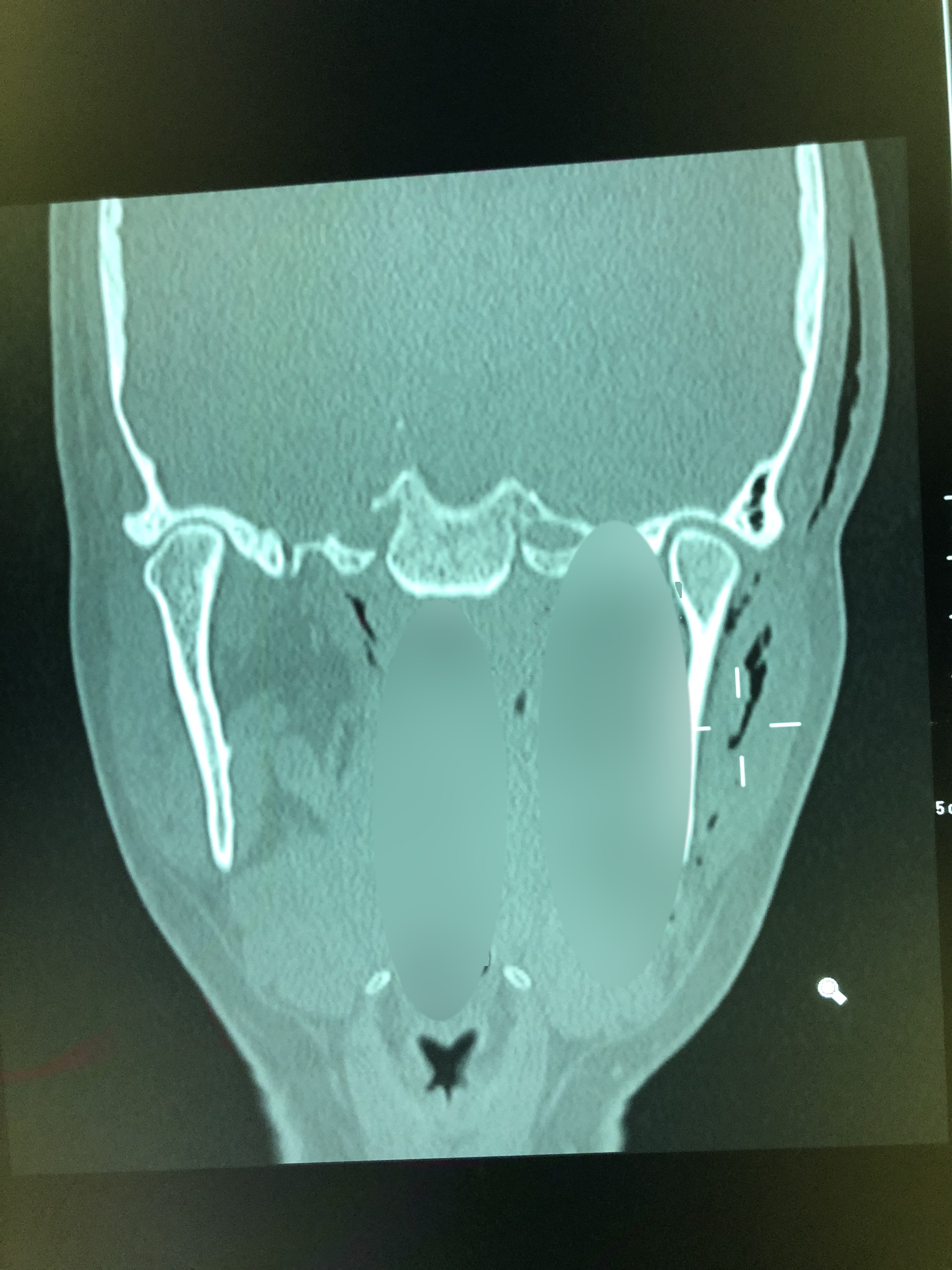
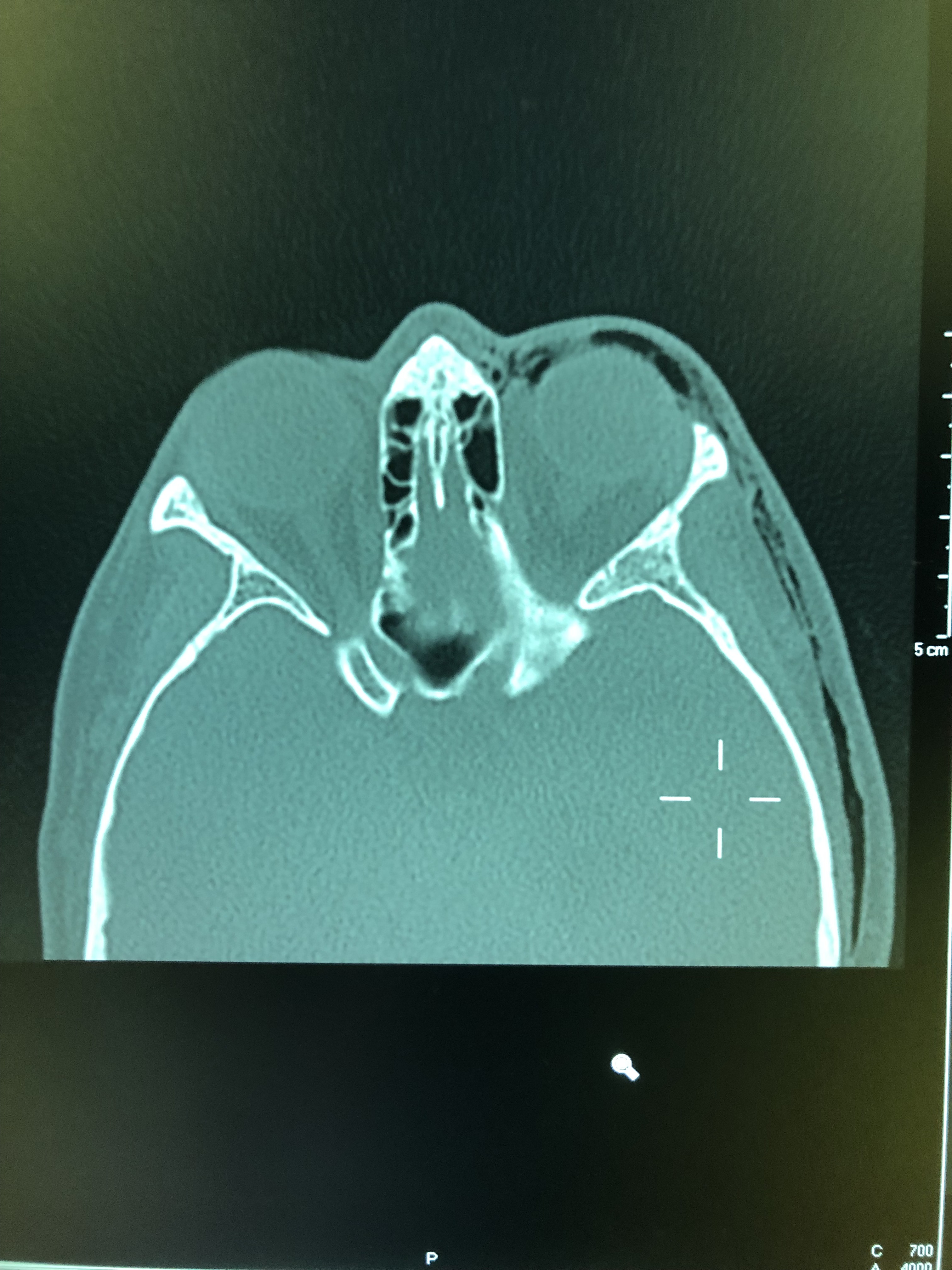
Mandibular fracture as a complication of third molar extraction
The risk of third molar extraction can lead to many complications; among them, a mandibular fracture.
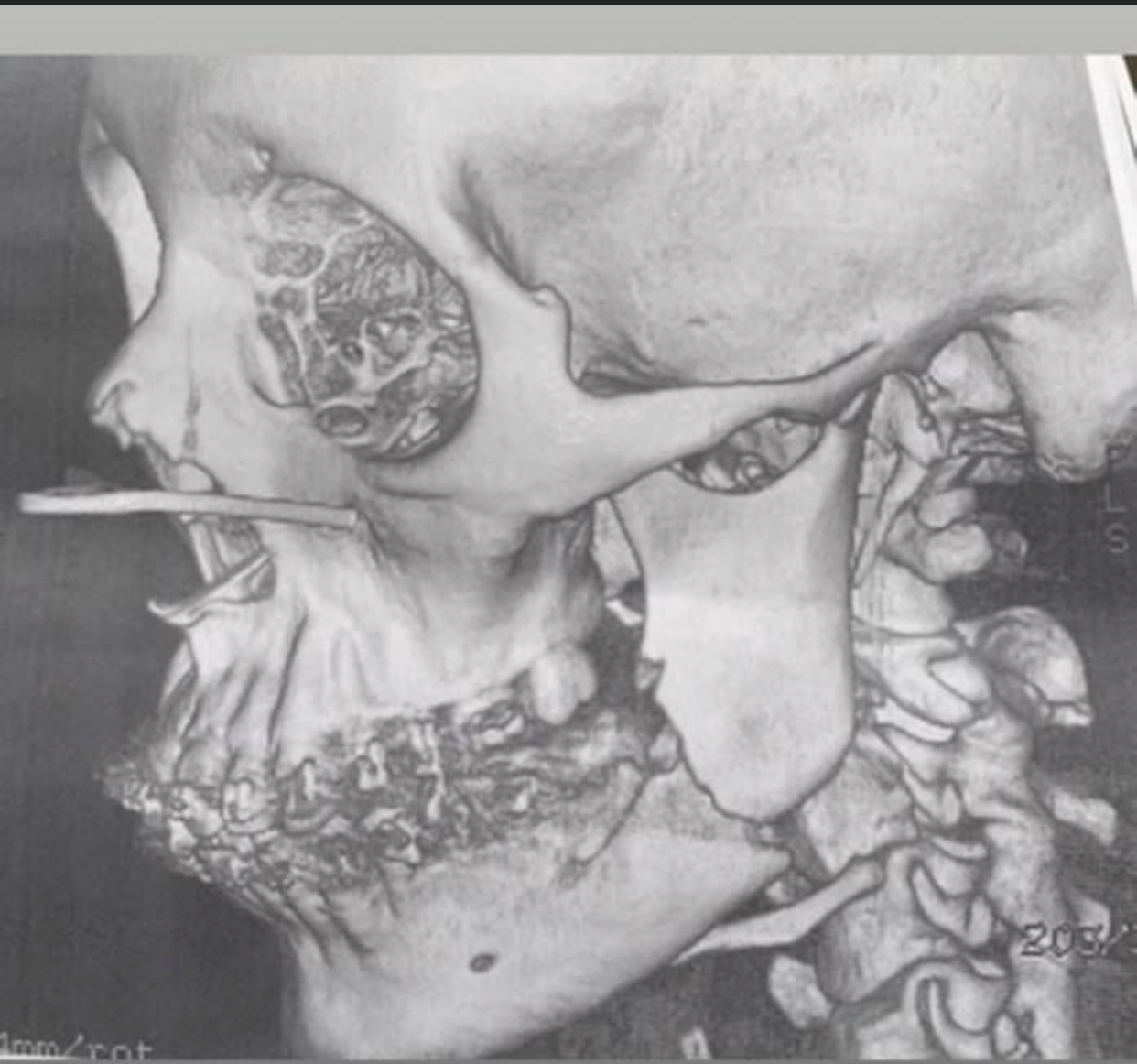
Orbital fracture: inadequate management
Some facial fractures require imaging diagnosis and specialized reconstruction techniques to restore function and aesthetics. Delayed or incomplete management can lead to sequelae.
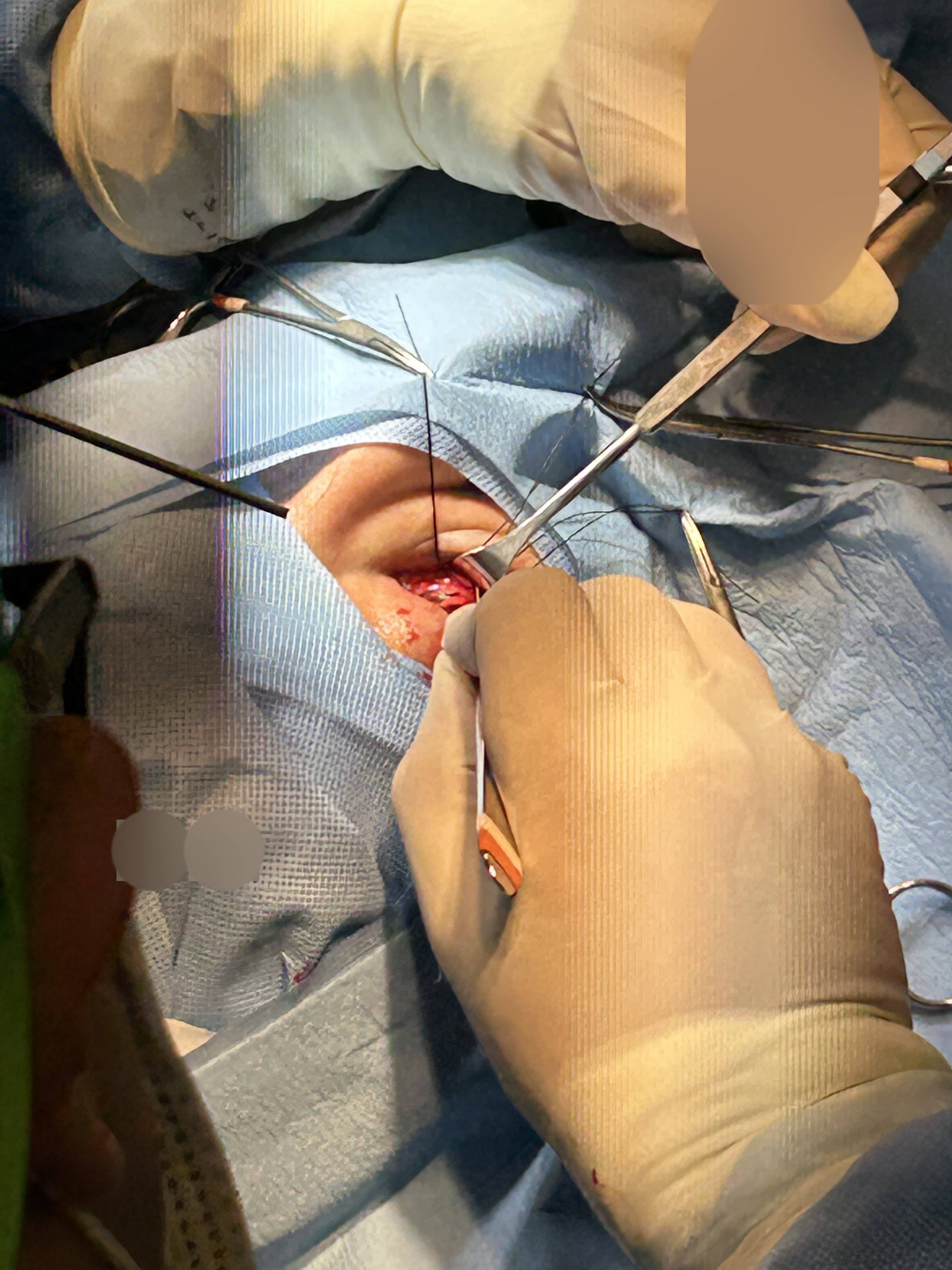
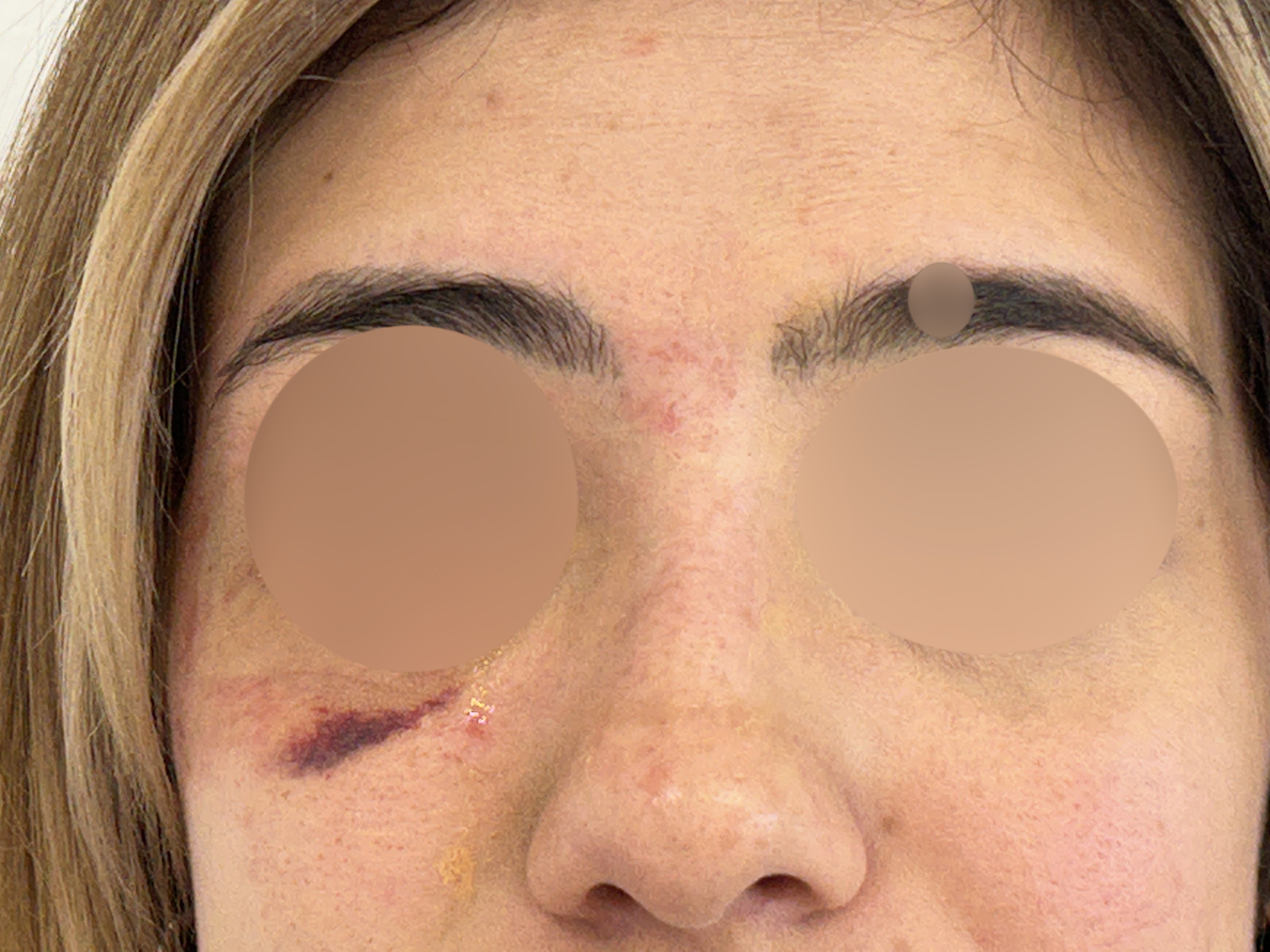
Poorly adapted chin plate
When osteosynthesis material is not properly adapted, it can cause discomfort, inflammation, or aesthetic concerns. Each case is assessed to decide whether correction or removal is necessary.
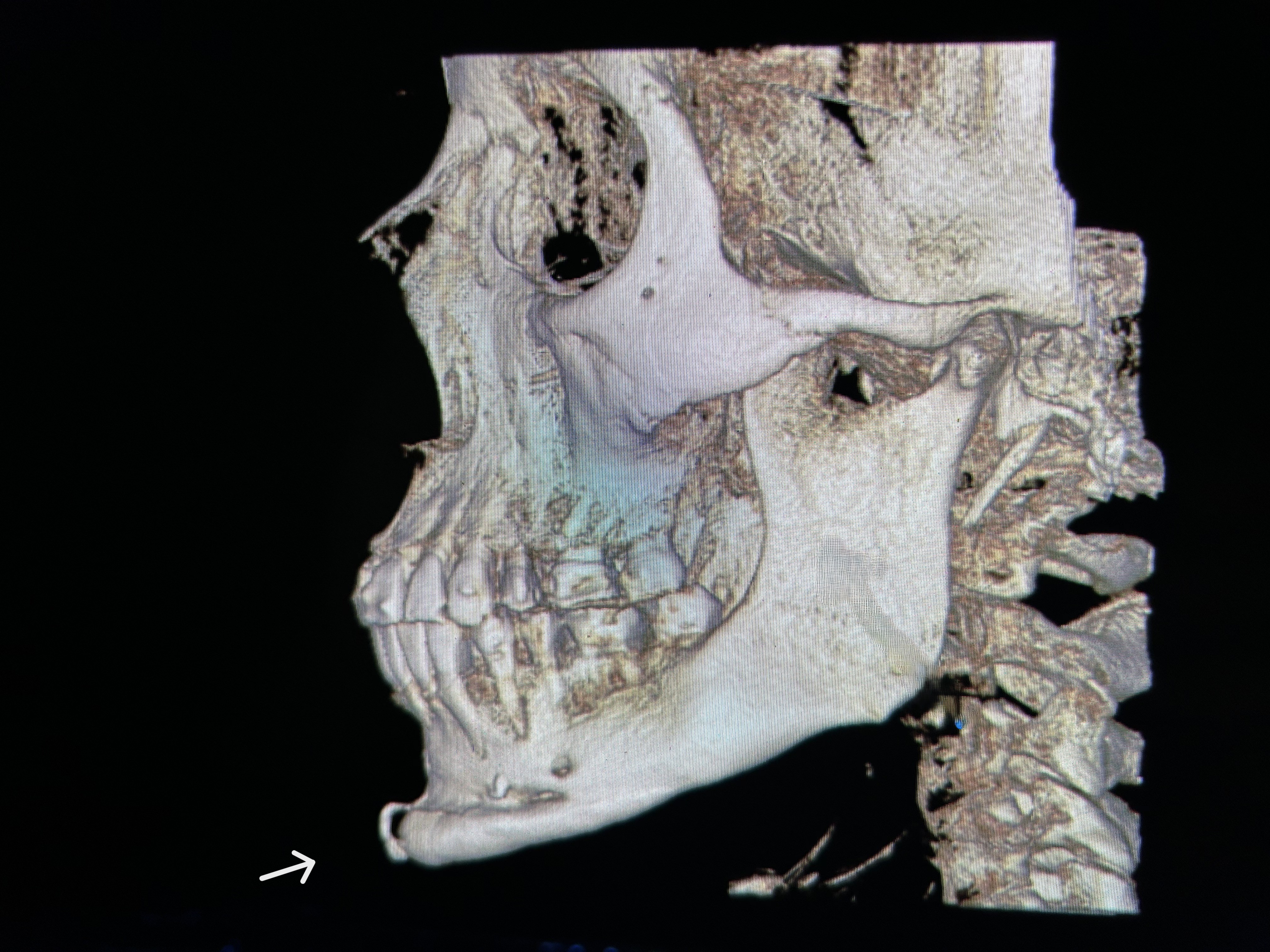
Infraorbital implant
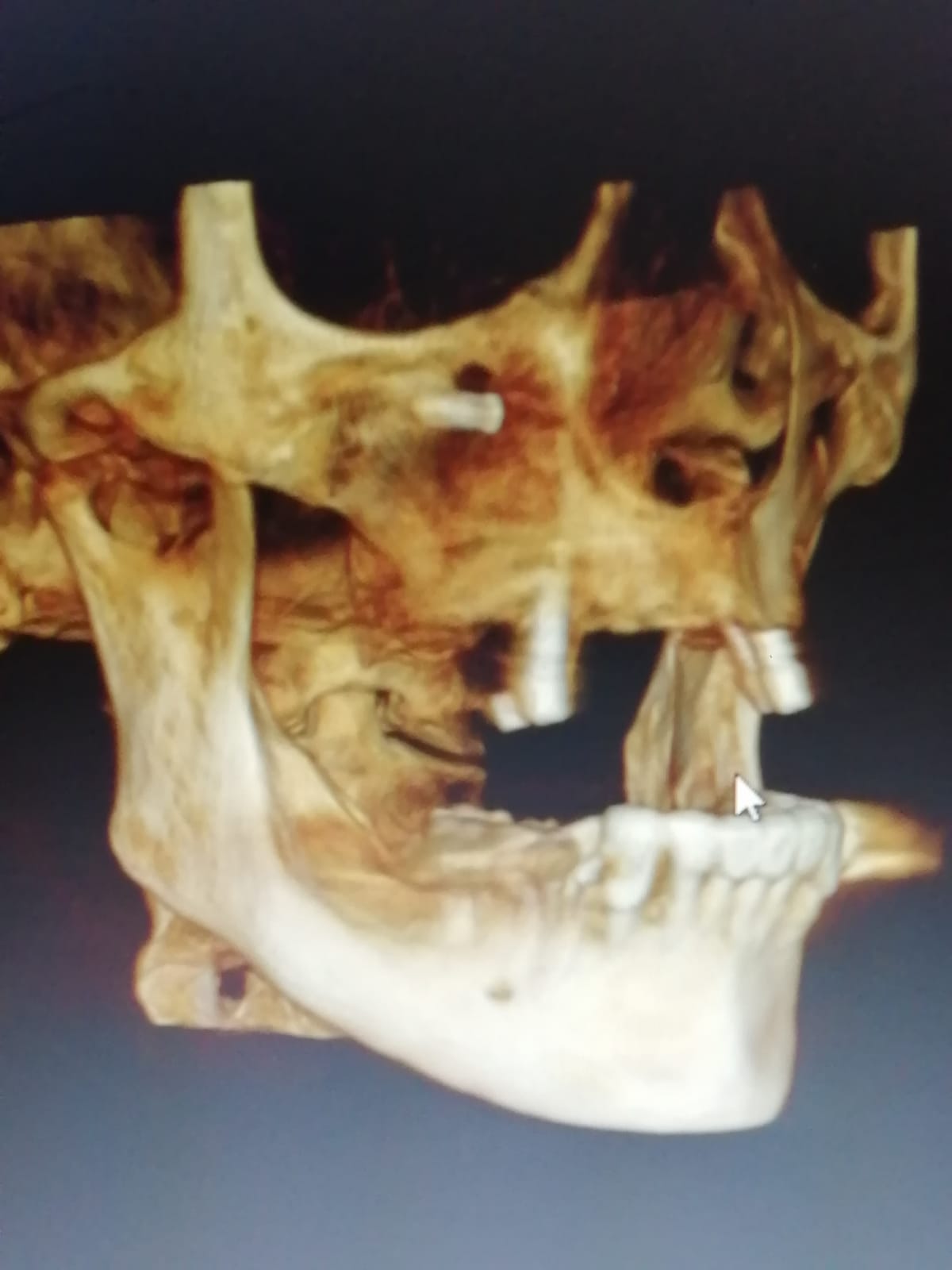
Hypochlorite infiltration into soft tissues and the maxillary sinus
Clinical case of a complication caused by hypochlorite infiltration, with soft tissue swelling and potential maxillary sinus involvement. It requires evaluation and specialized management.
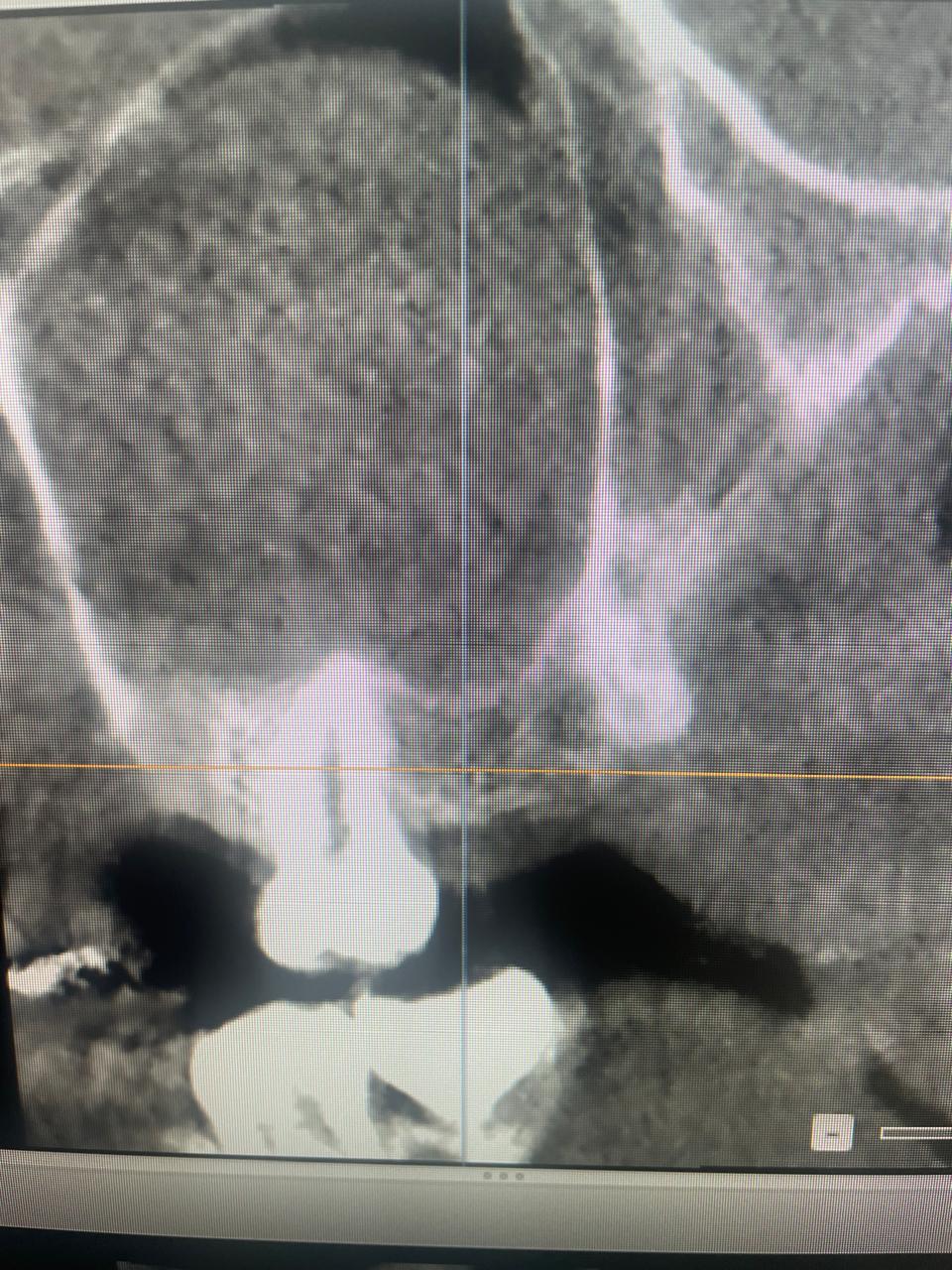
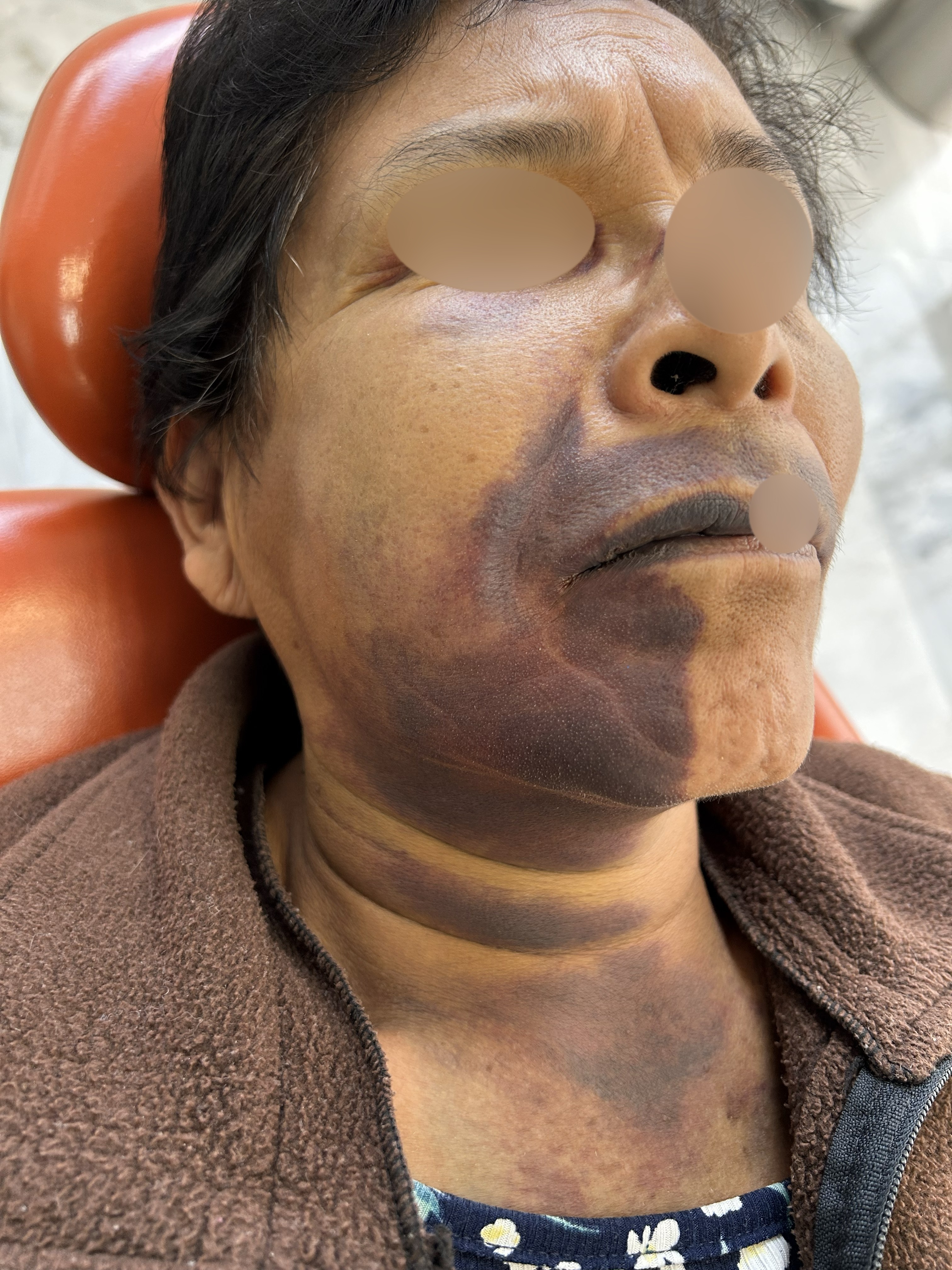
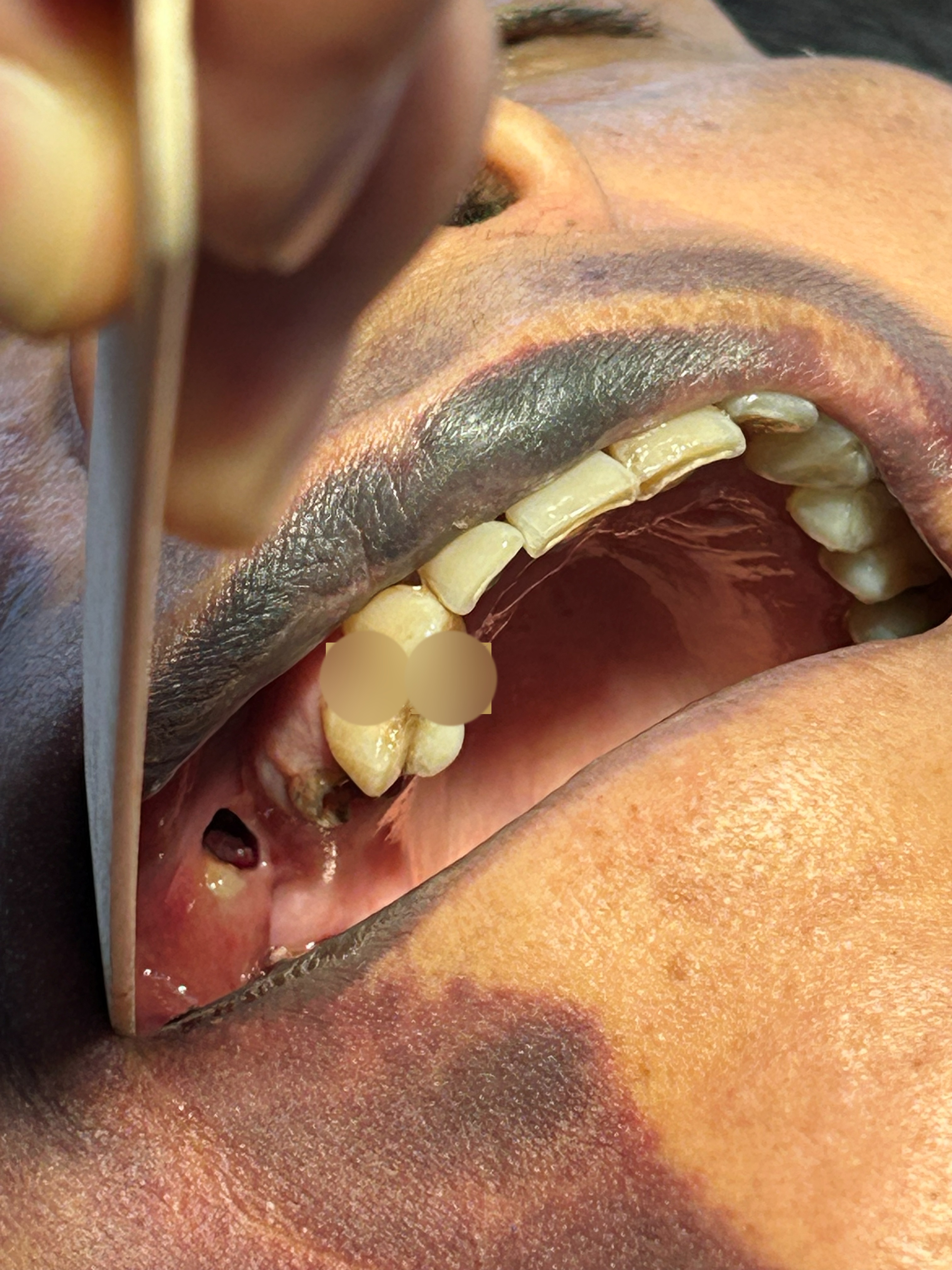
Maxillary sinus with obturation material and hypochlorite
Complication associated with dental procedures when materials or irrigants enter the maxillary sinus. Management may include removal of the foreign material, controlling inflammation, and preventing infection.