Dental And Maxillofacial Trauma
There are a variety of dental and maxillofacial traumas, which can occur to the soft tissues of the mouth, teeth, bones in the jaw, and bones of the face, generally…
There are a variety of dental and maxillofacial traumas, which can occur to the soft tissues of the mouth, teeth, bones in the jaw, and bones of the face, generally associated in our country with automobile accidents, interpersonal violence, accidents, sports as well as other causes.
The treatment of facial bones, teeth and mouth tissues should be treated by a maxillofacial surgeon, since it is only this specialist who has the highest level of training, as well as the necessary experience in treating the bones of the face, teeth and tissues of the mouth. The specialized training of maxillofacial surgeons, combines six years of dentistry studies with over four years of subsequent specialty training, specifically for handling these conditions. Since we are very familiar with the teeth in the maxillary jaw, when we perform a reconstruction of the jawbone, we ensure that we have the adequate knowledge and know the exact locations of dental and bone relationships.
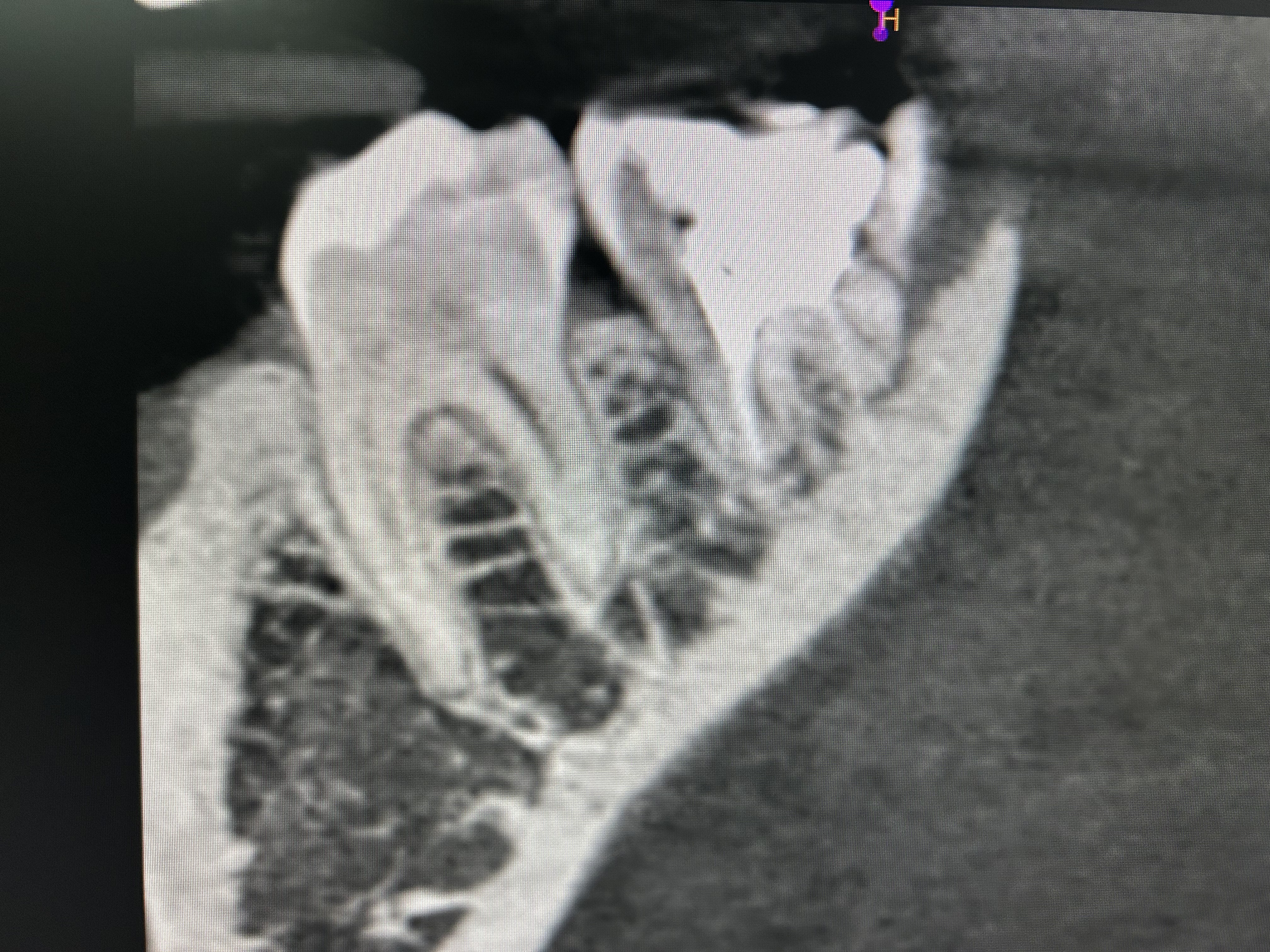
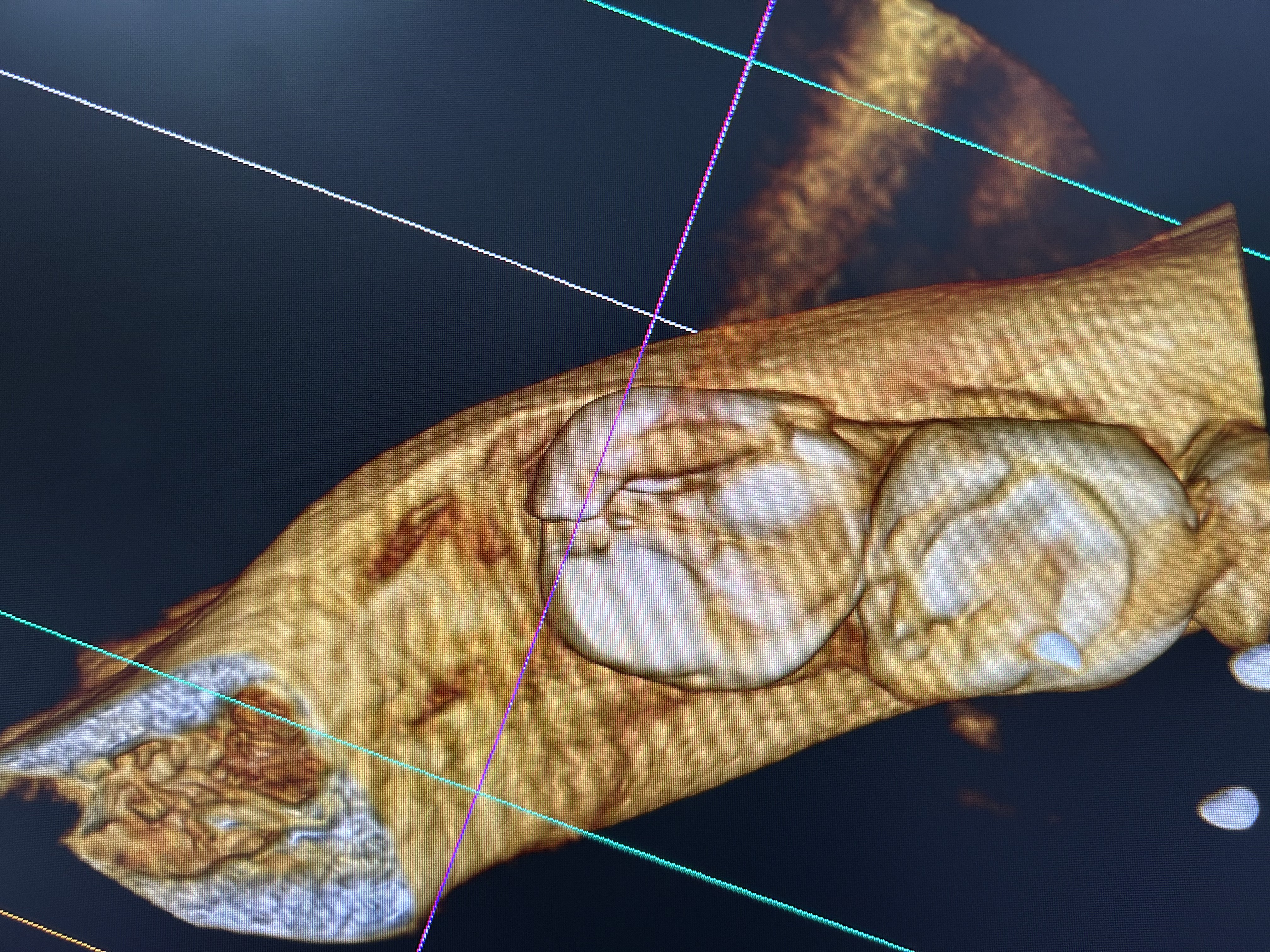
Vertical dental fracture
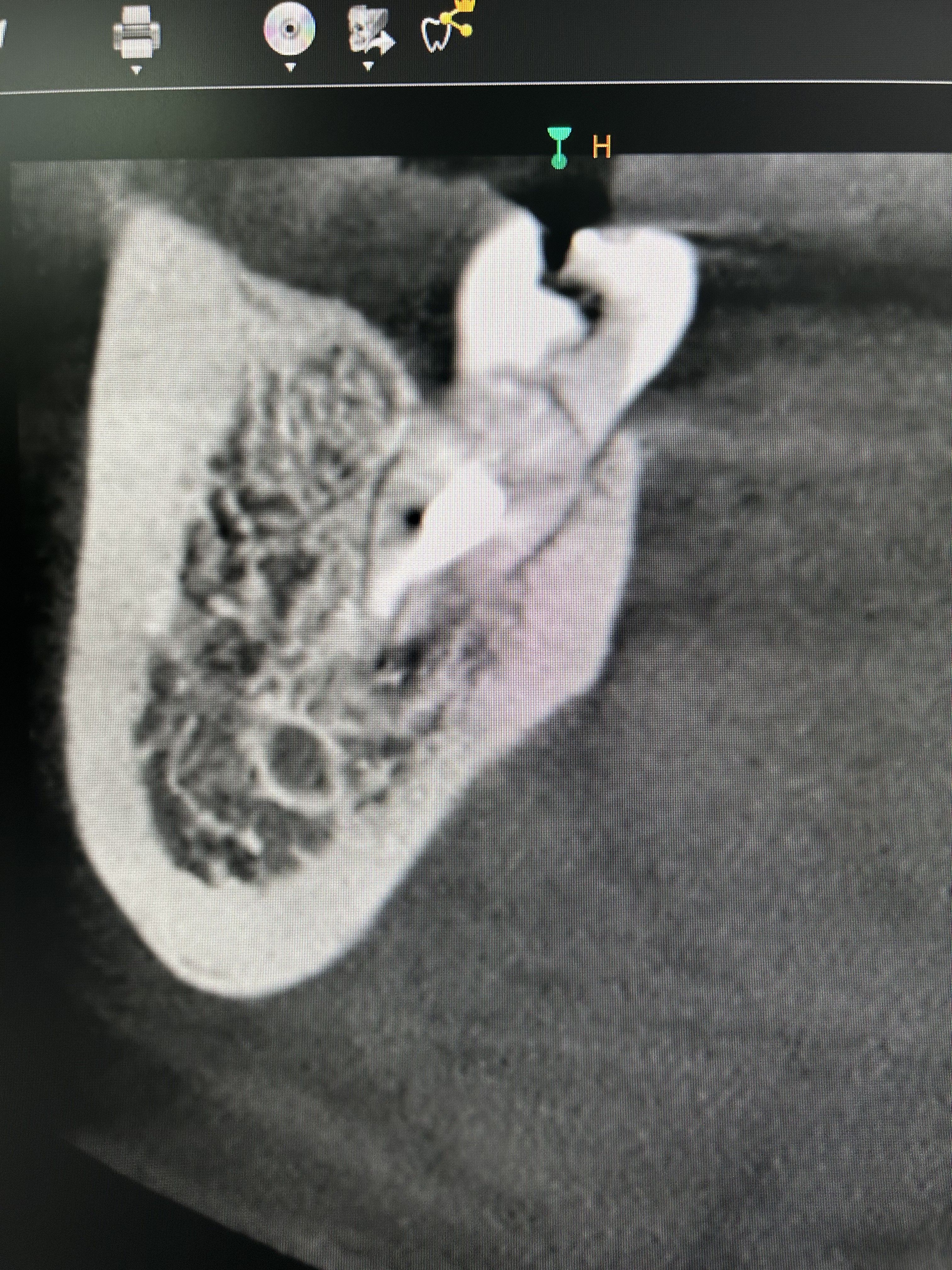
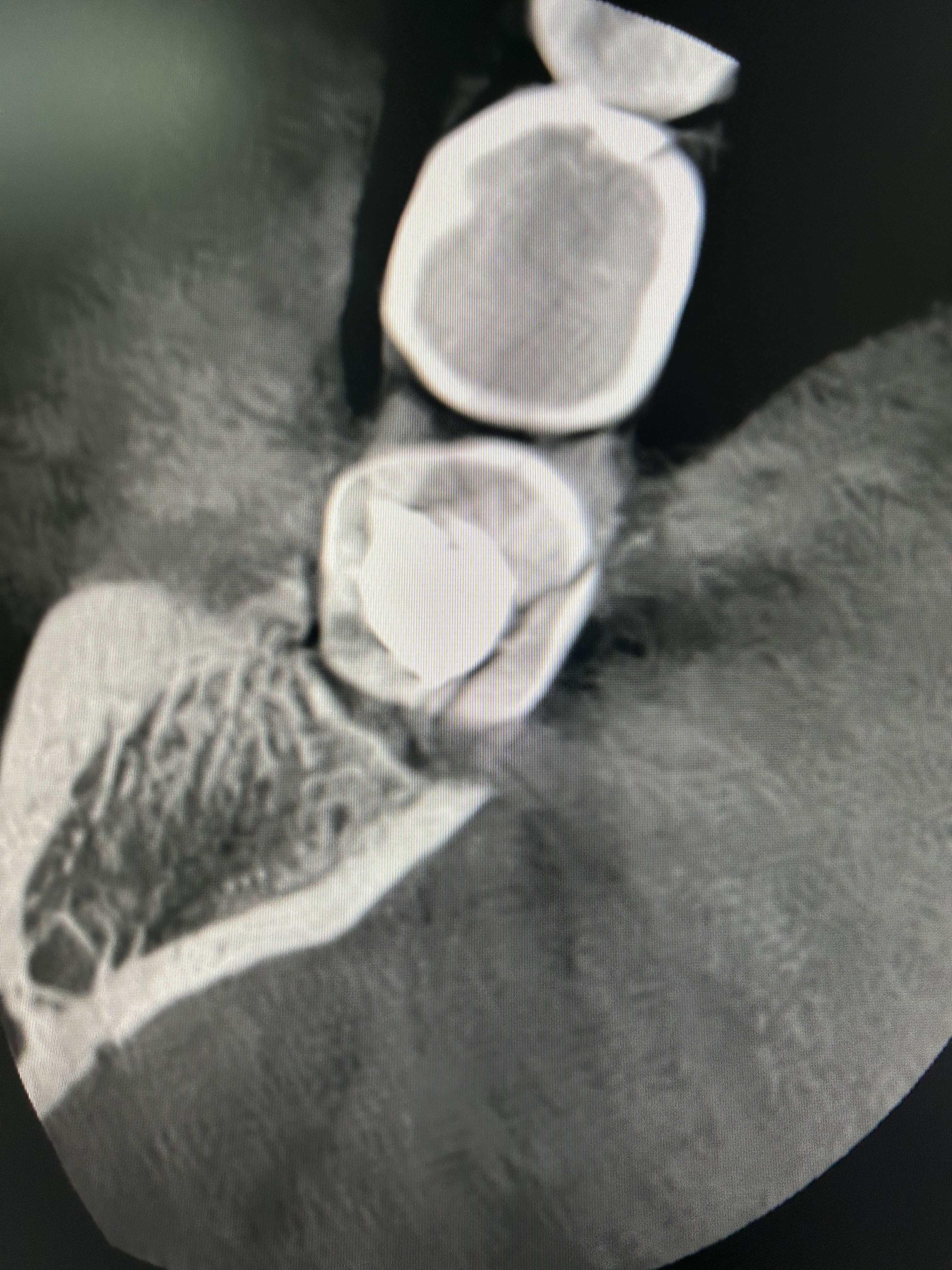
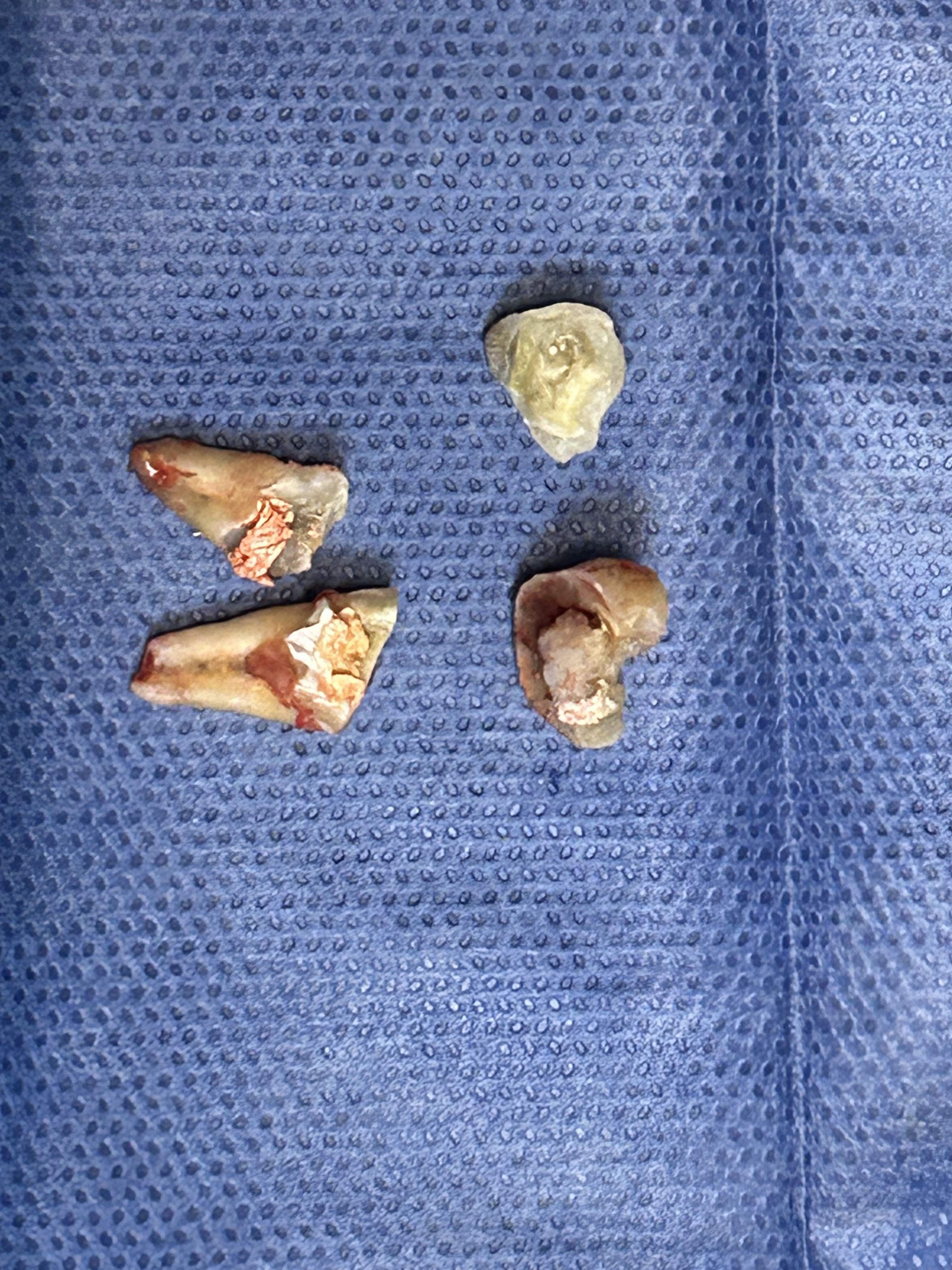
A vertical dental fracture can occur after trauma or in teeth with extensive restorations. A clinical and radiographic diagnosis helps define the plan, which may include restorative treatment, endodontic therapy, or extraction depending on the case.
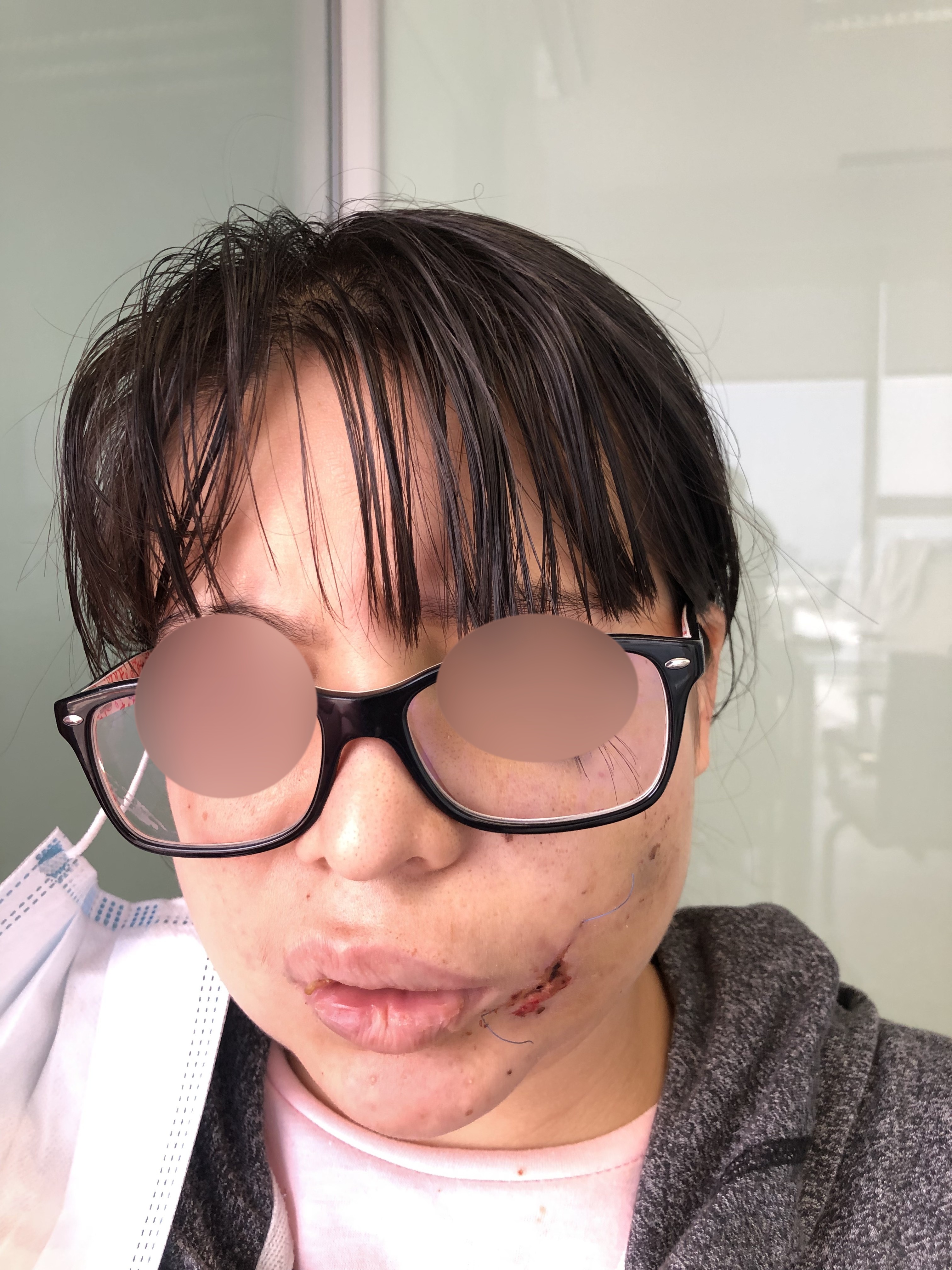
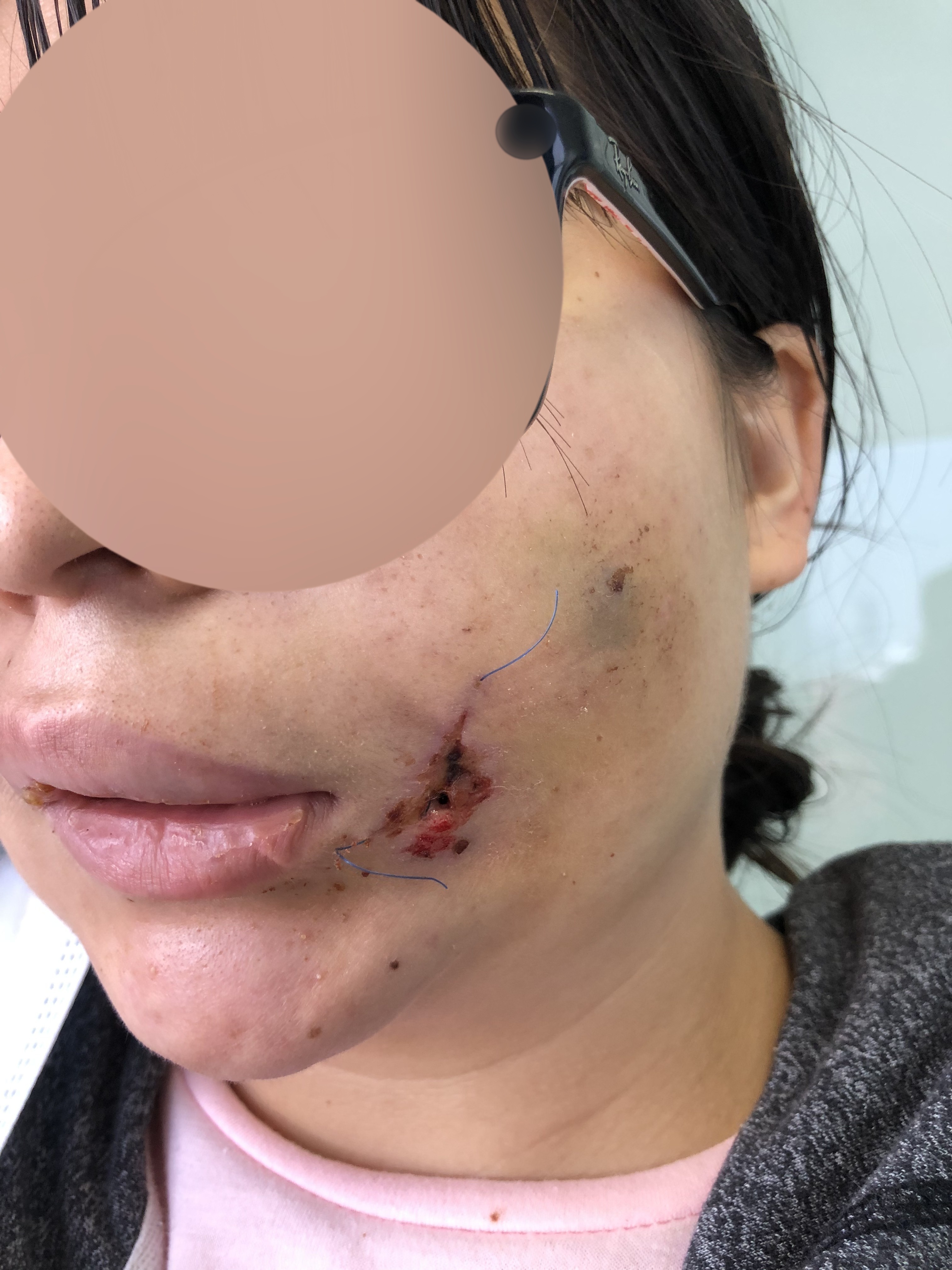
Case: dog bite with facial nerve injury
Bites can cause soft-tissue injuries and, in some cases, involvement of nerve structures. The case is evaluated, wounds are managed appropriately, and follow-up is provided.
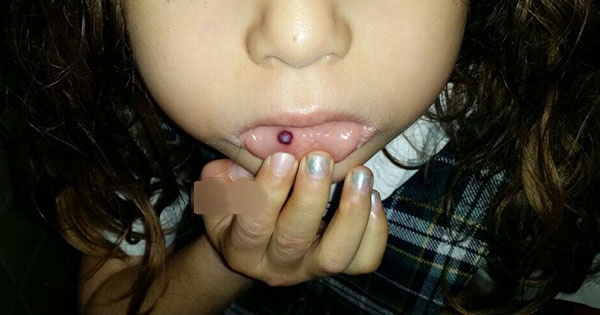
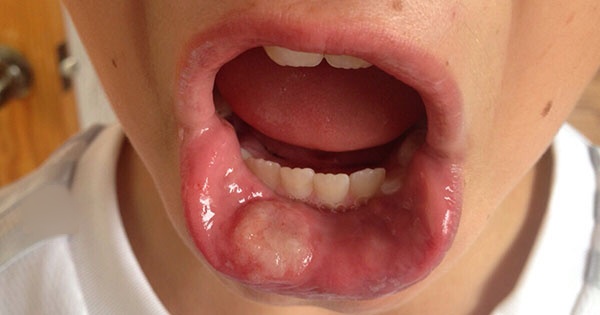
Traumatic bite of a pediatric patient after dental treatment
That is why it is recommended not to eat anything at all until the anesthesia has been completely passed.
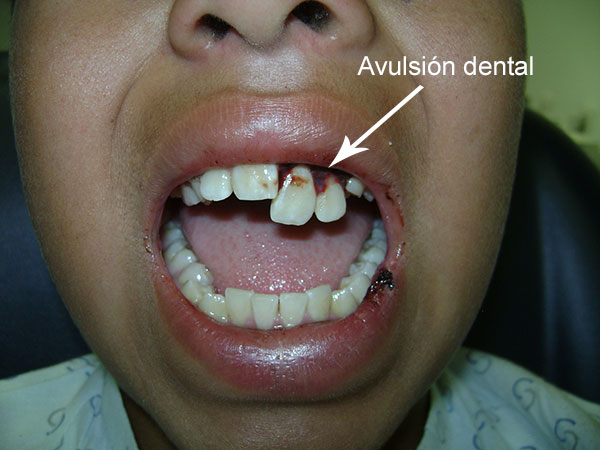
Cases of Dento-Alveolar Fracture
In these cases there is a fracture in the bones that support the teeth. Also presented here is a case of Dental Avulsion, or the complete displacement of teeth from their sockets.
If repositioned within the first twelve hours there is a 99% success rate of replantation.
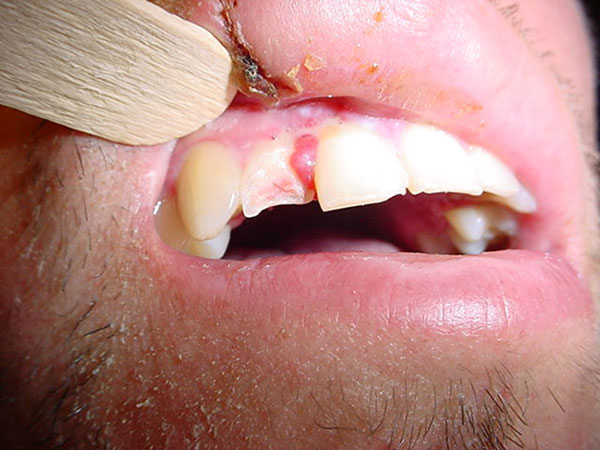
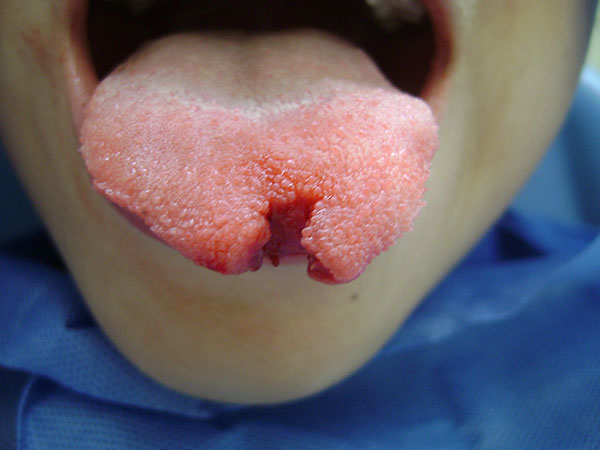
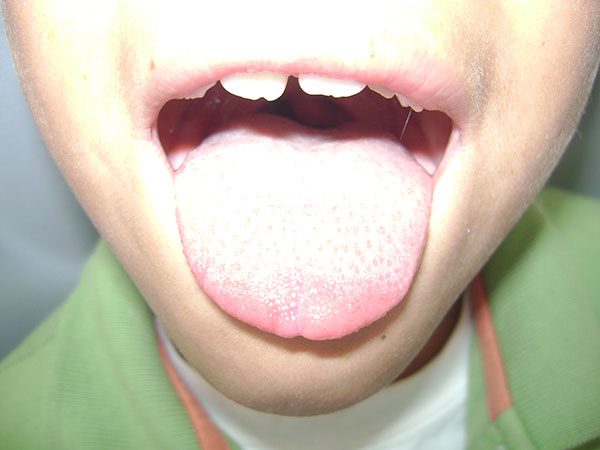
Injury Case in the tongue: before and after
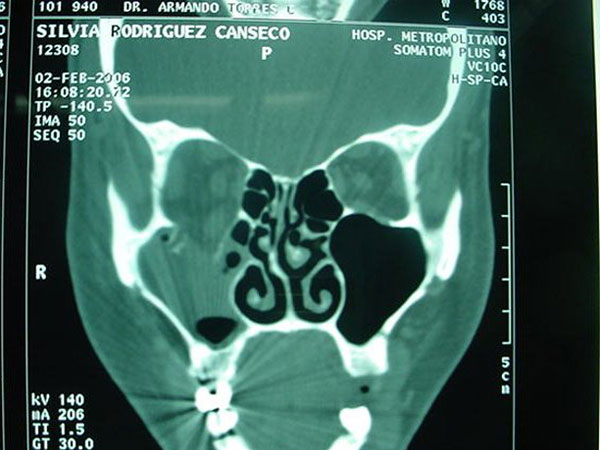
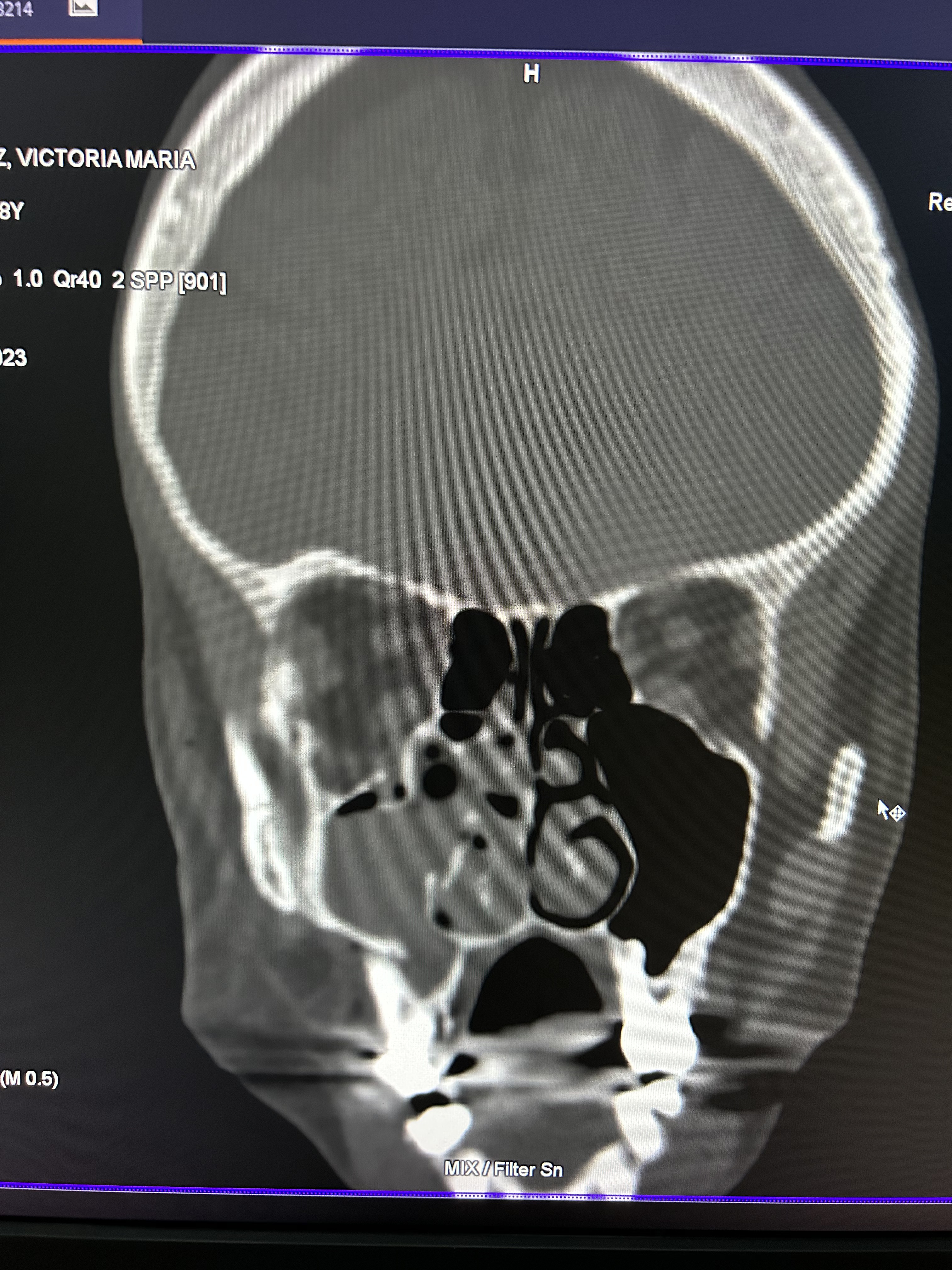
Orbital Floor Fracture (of the eye socket)
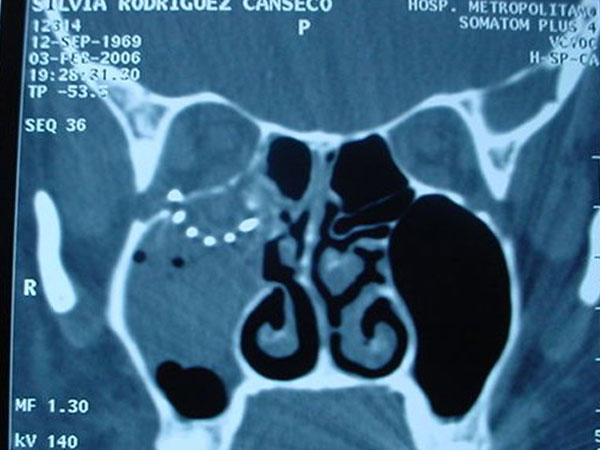
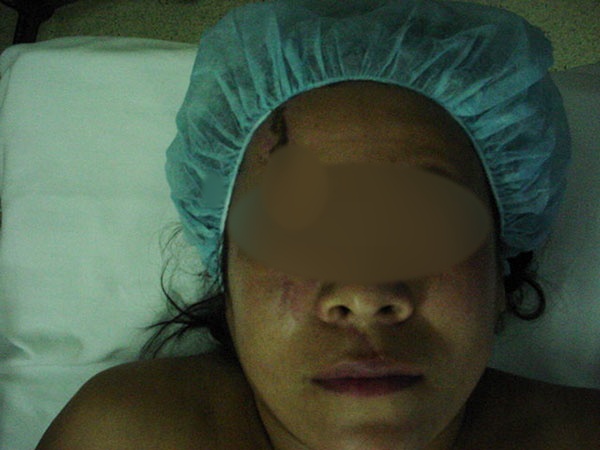
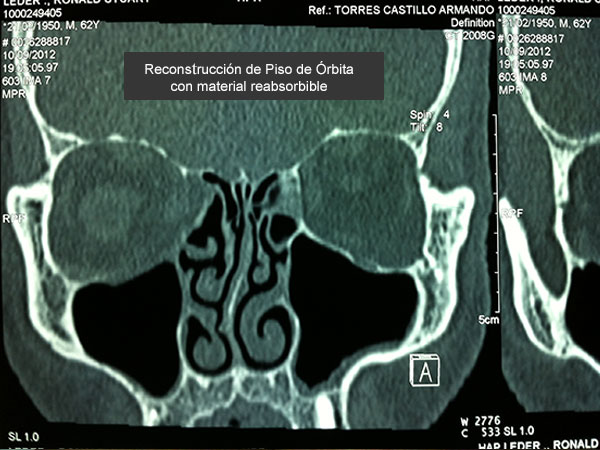
Gunshot Fracture Case: before and after
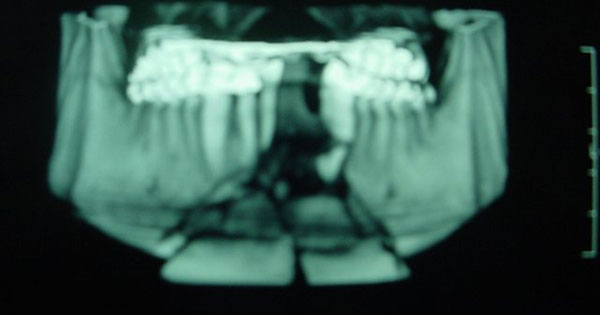
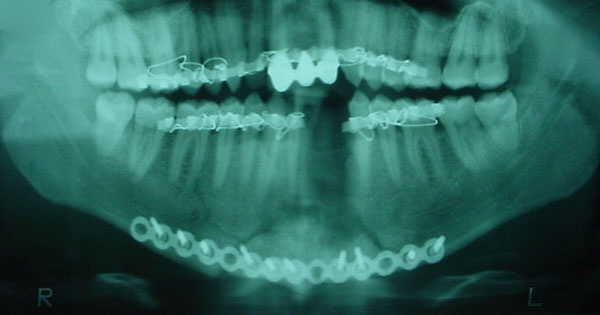
Mandibular Angle Fracture
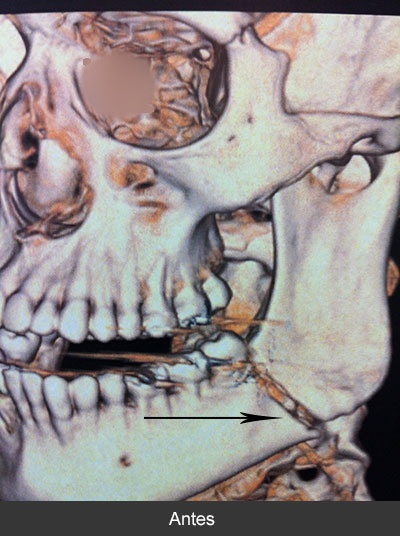
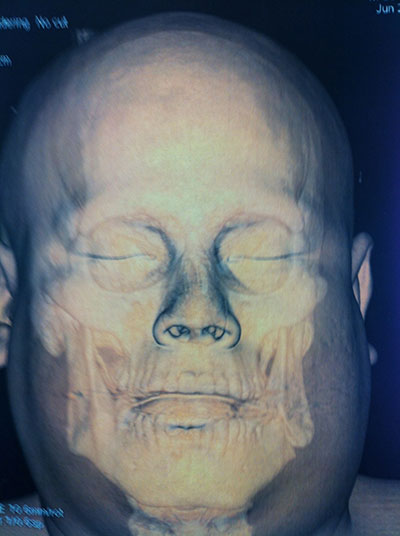
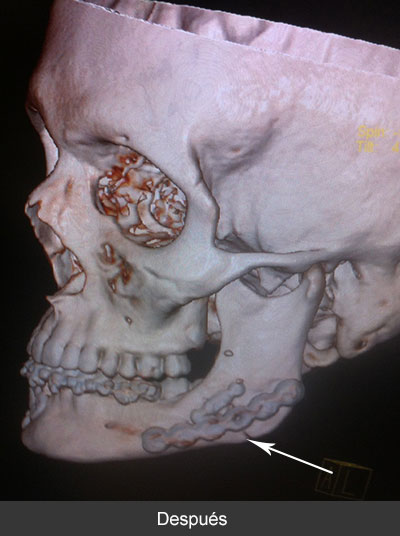
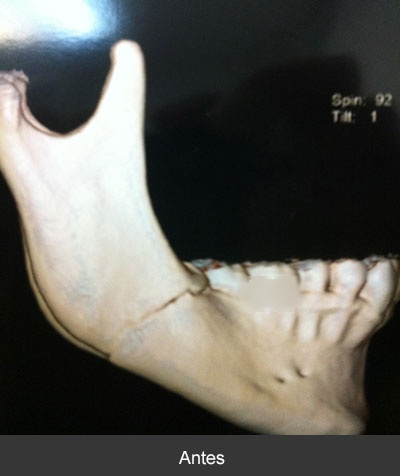
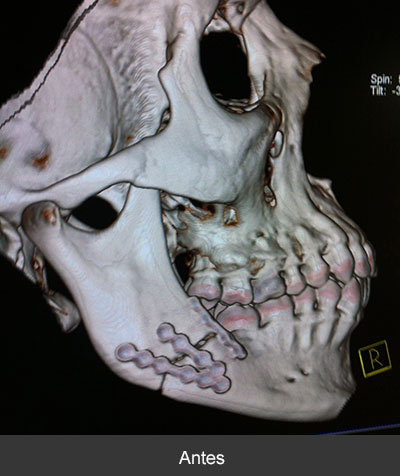
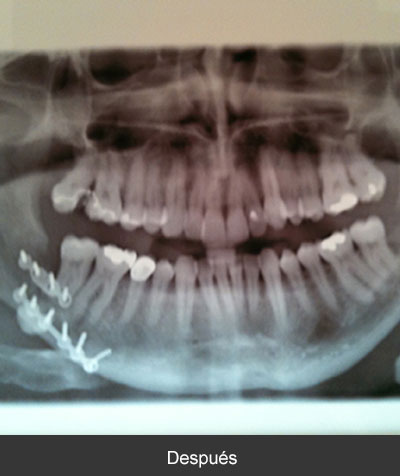
Mandibular Angle Fracture involving a wisdom tooth
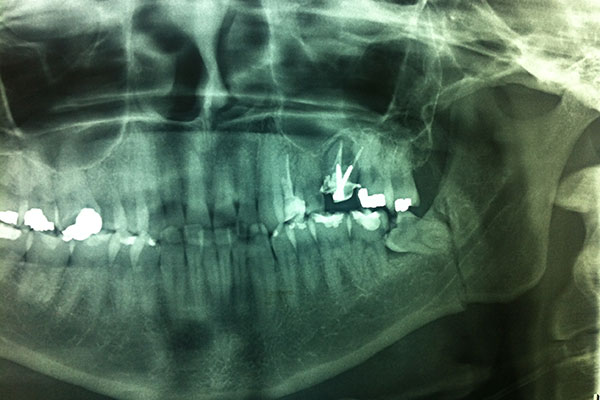
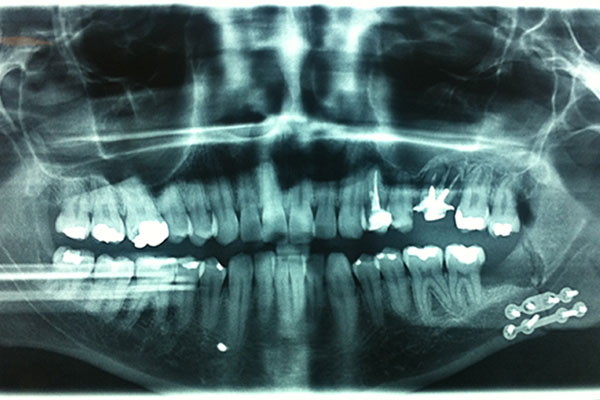
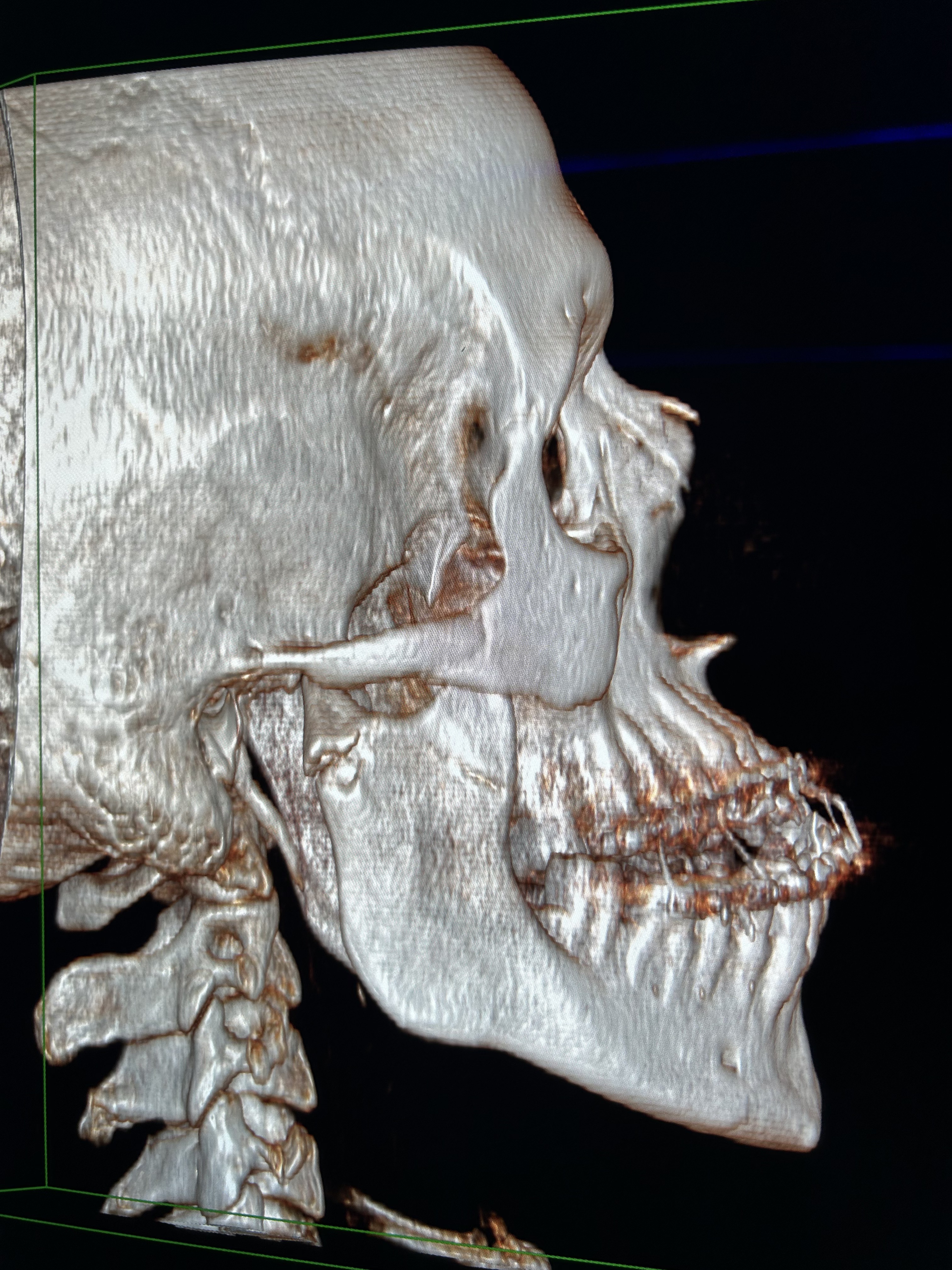
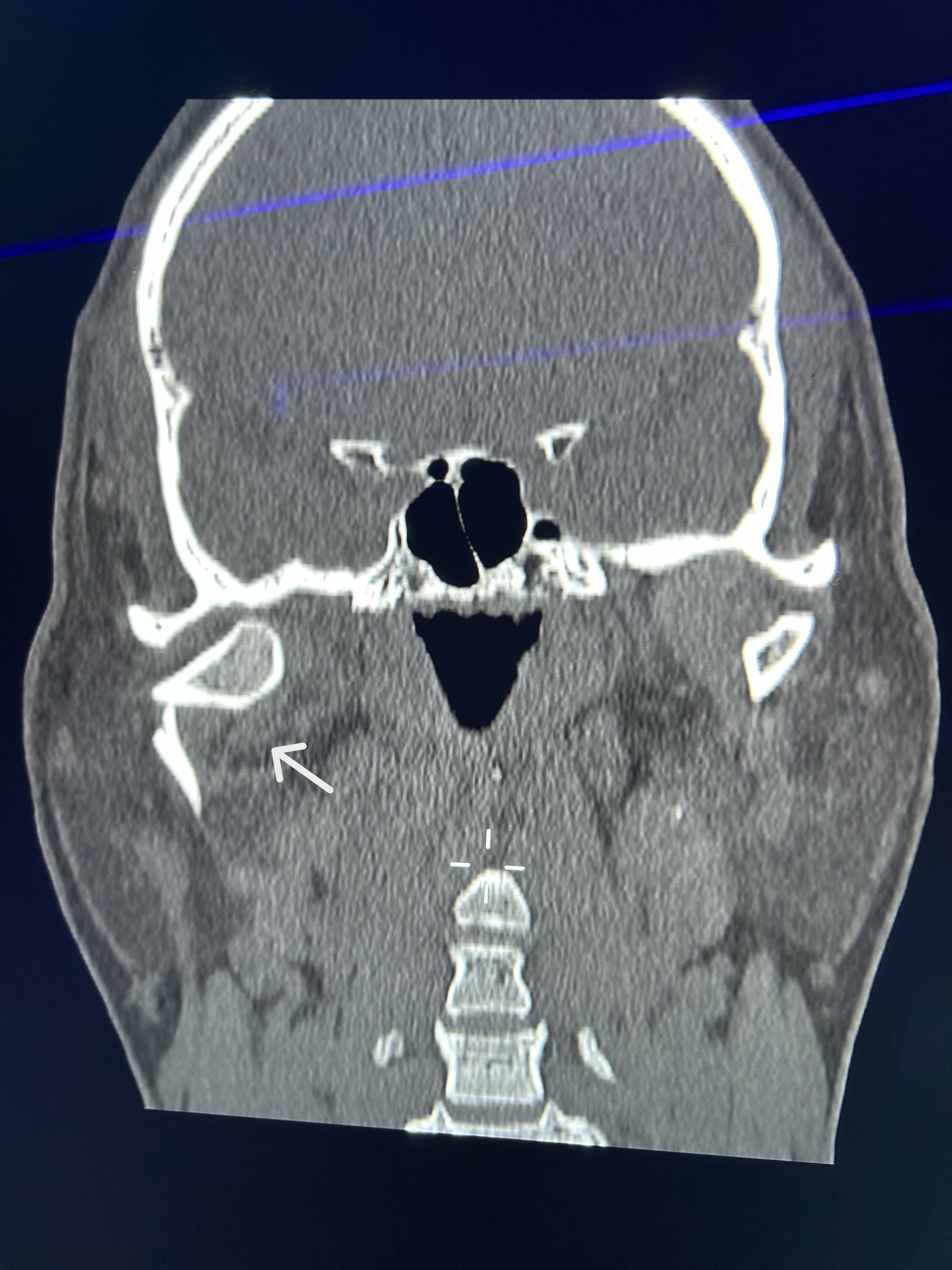
Subcondylar Fracture
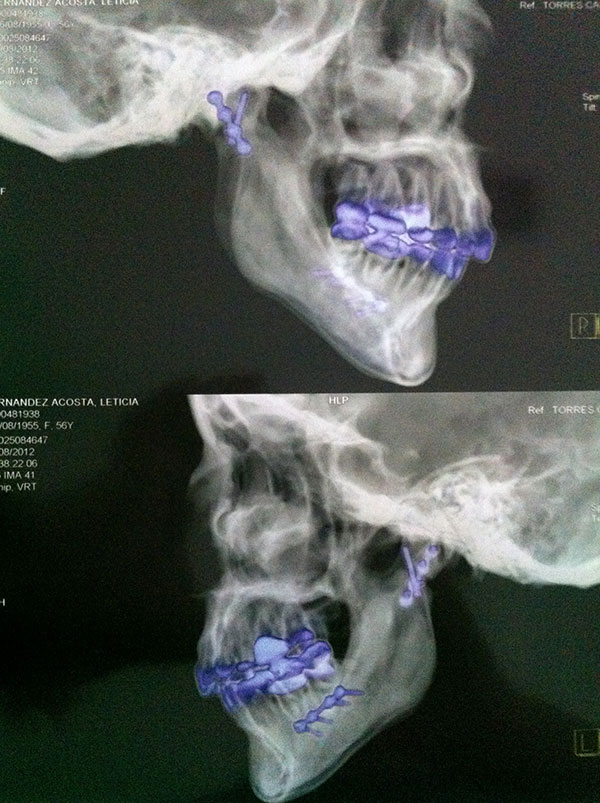
Bilateral Subcondylar Fracture
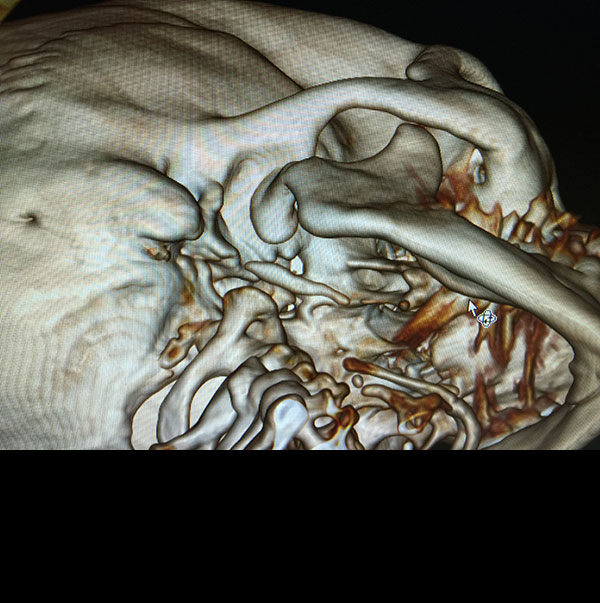
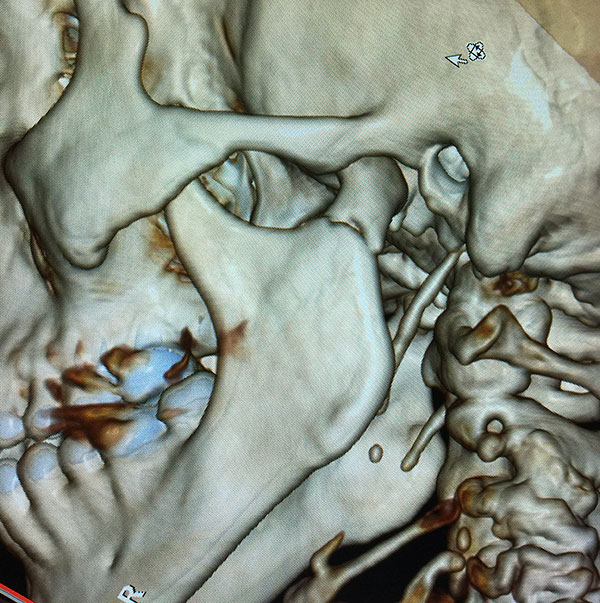
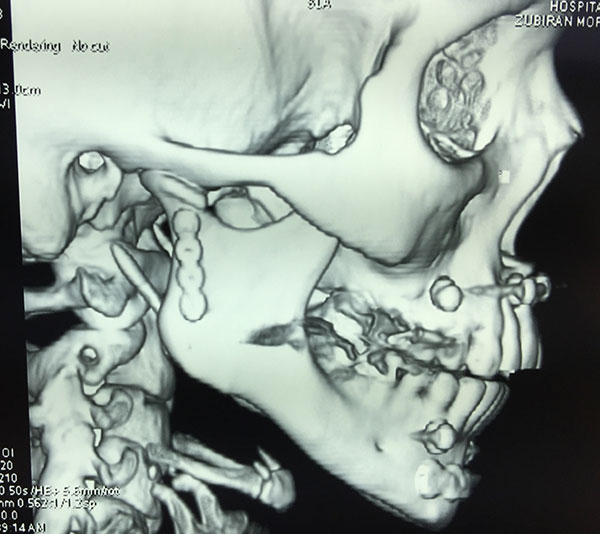
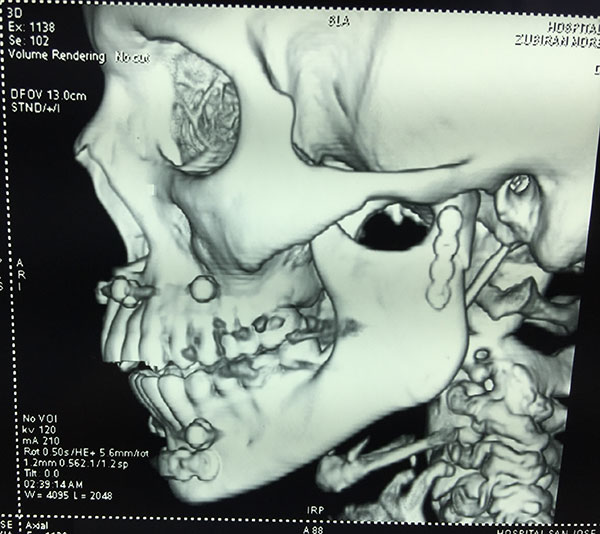
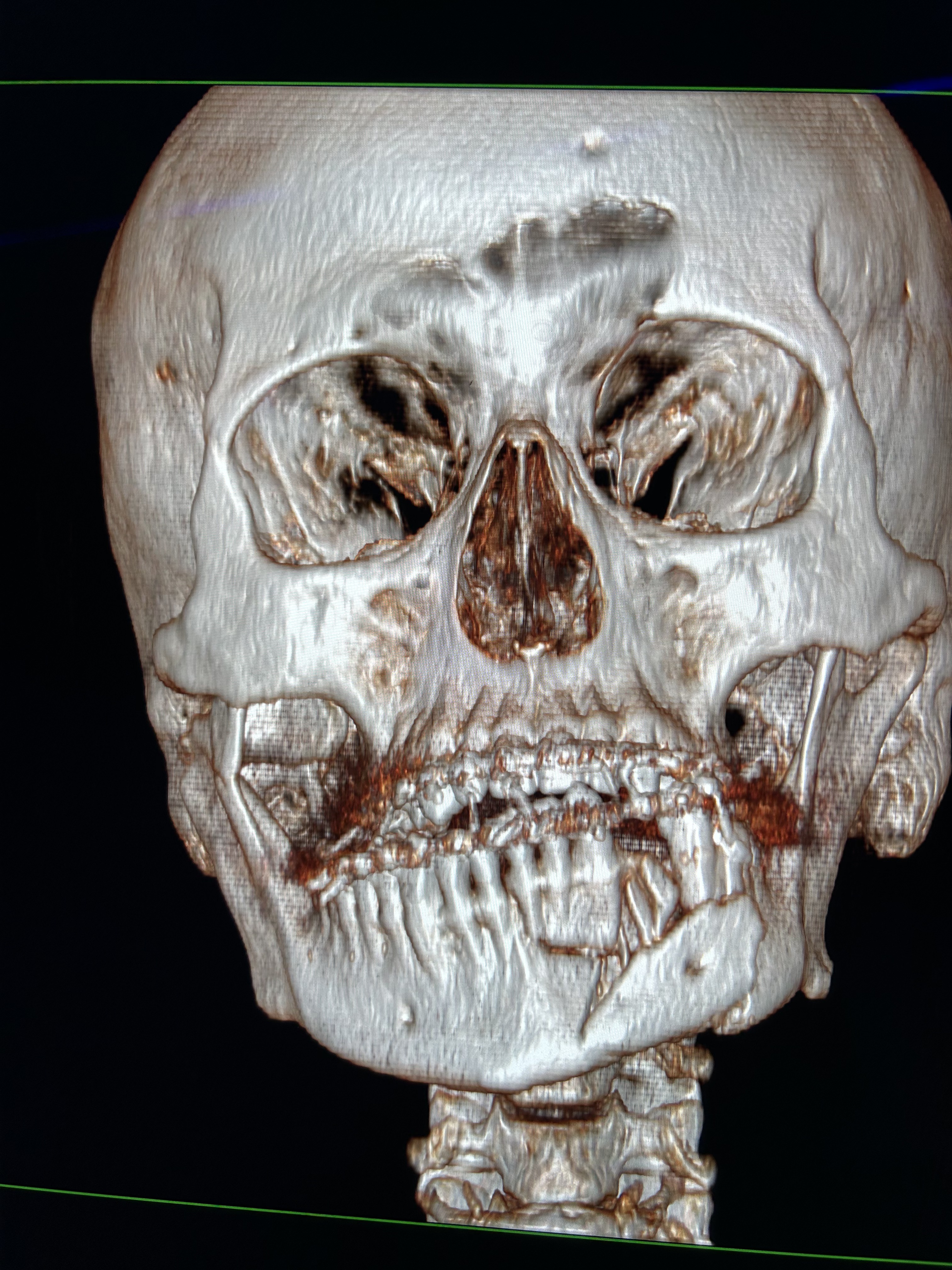
Le Fort IV Fracture
This is a complex fracture in which several facial bones are involved, also known as a cranio-maxillary disjunction (between the jaw and skull).
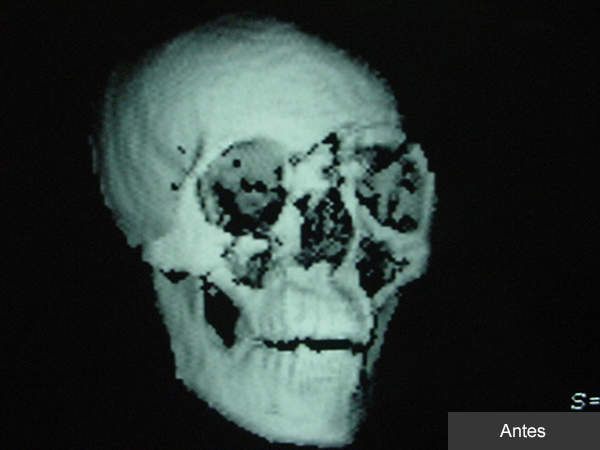
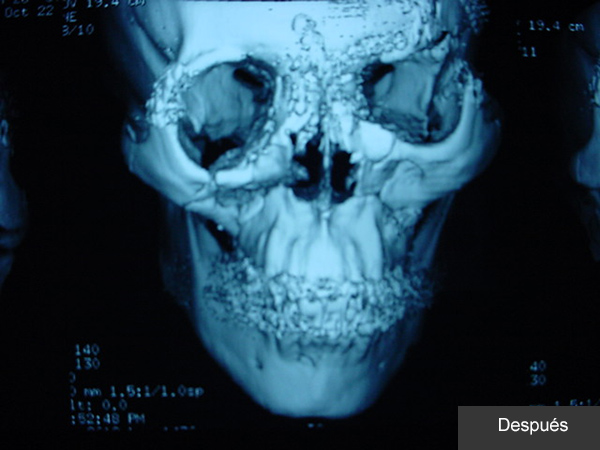
Zygomatic Arch Fracture
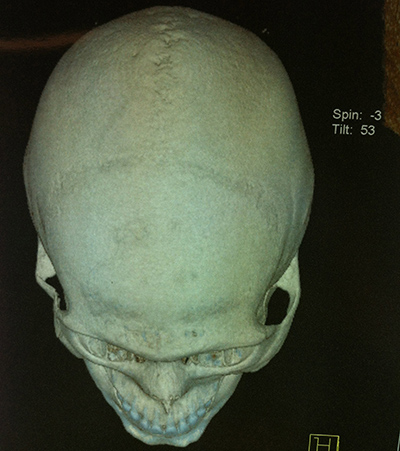
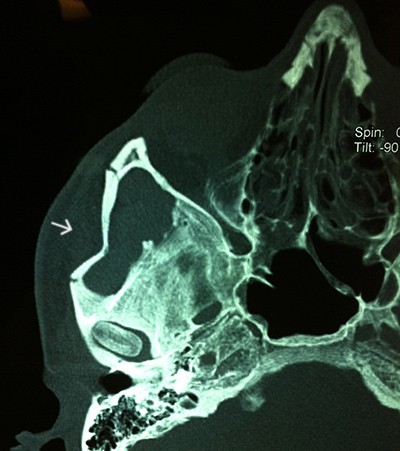
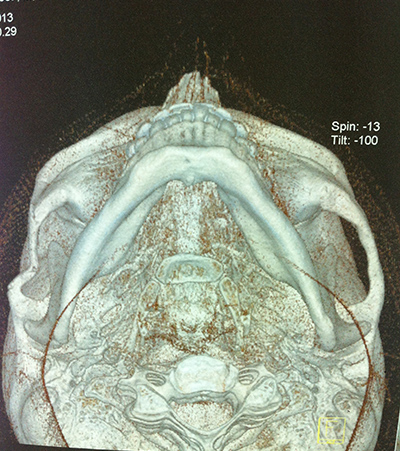
Displaced Fracture
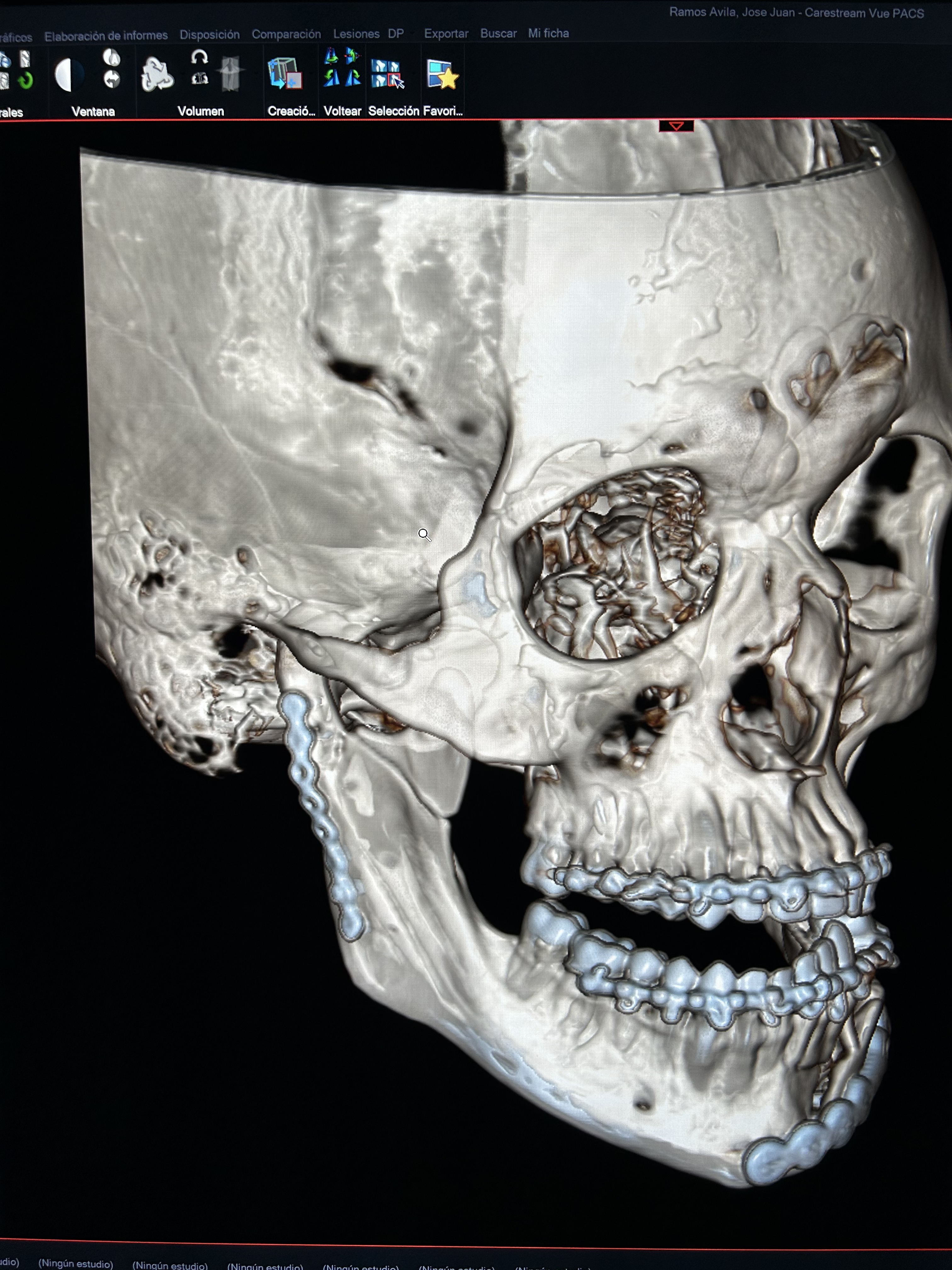
Treatment of maxillary and mandibular fractures: when they are displaced, rigid fixation material (plates and screws) is used.
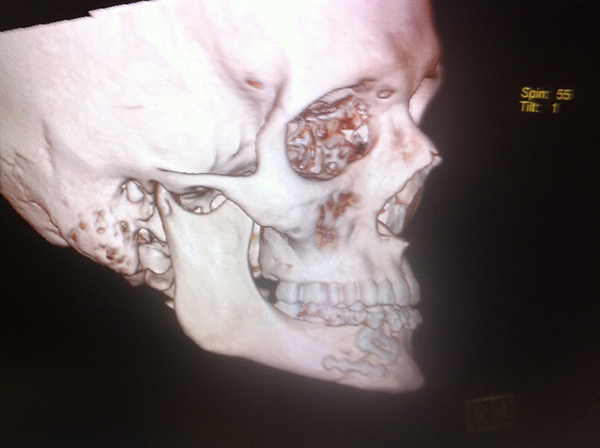
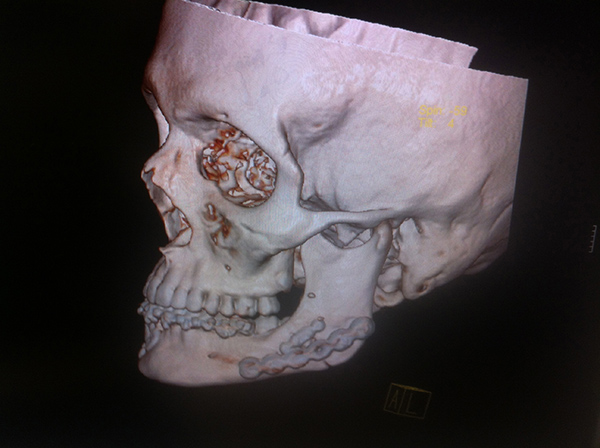
Additional maxillofacial trauma cases
Orbital floor fracture (non-surgical management)
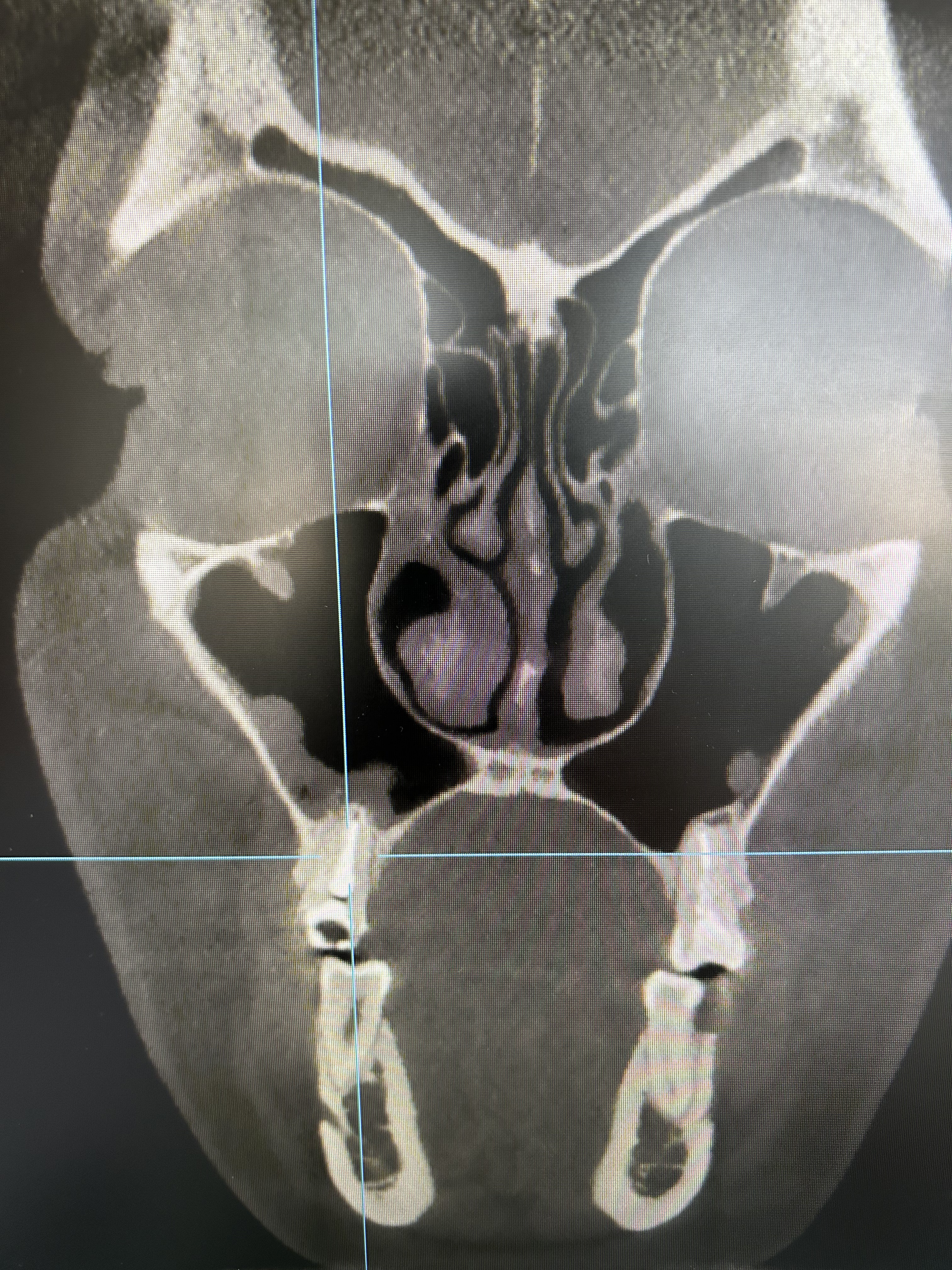
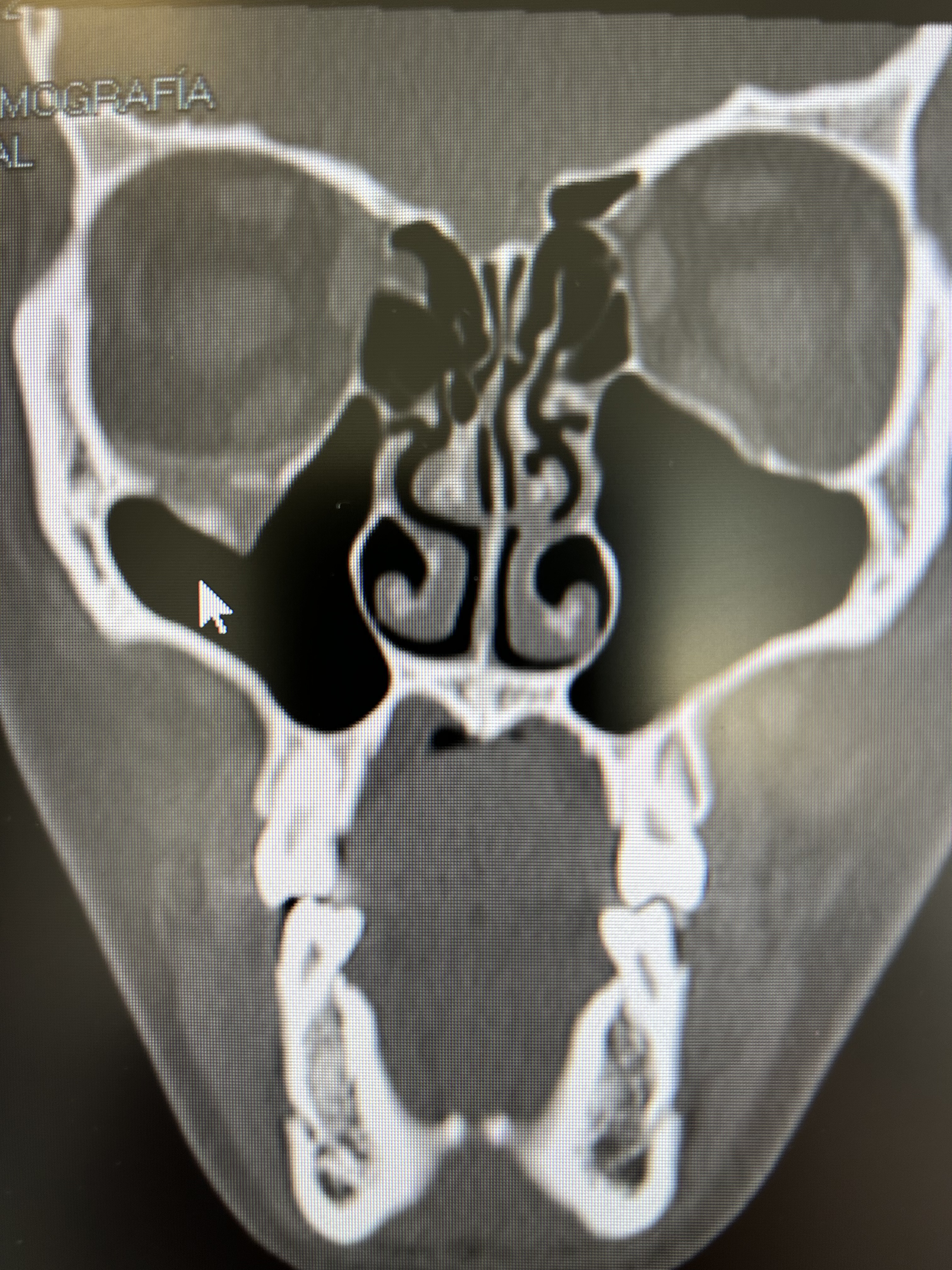
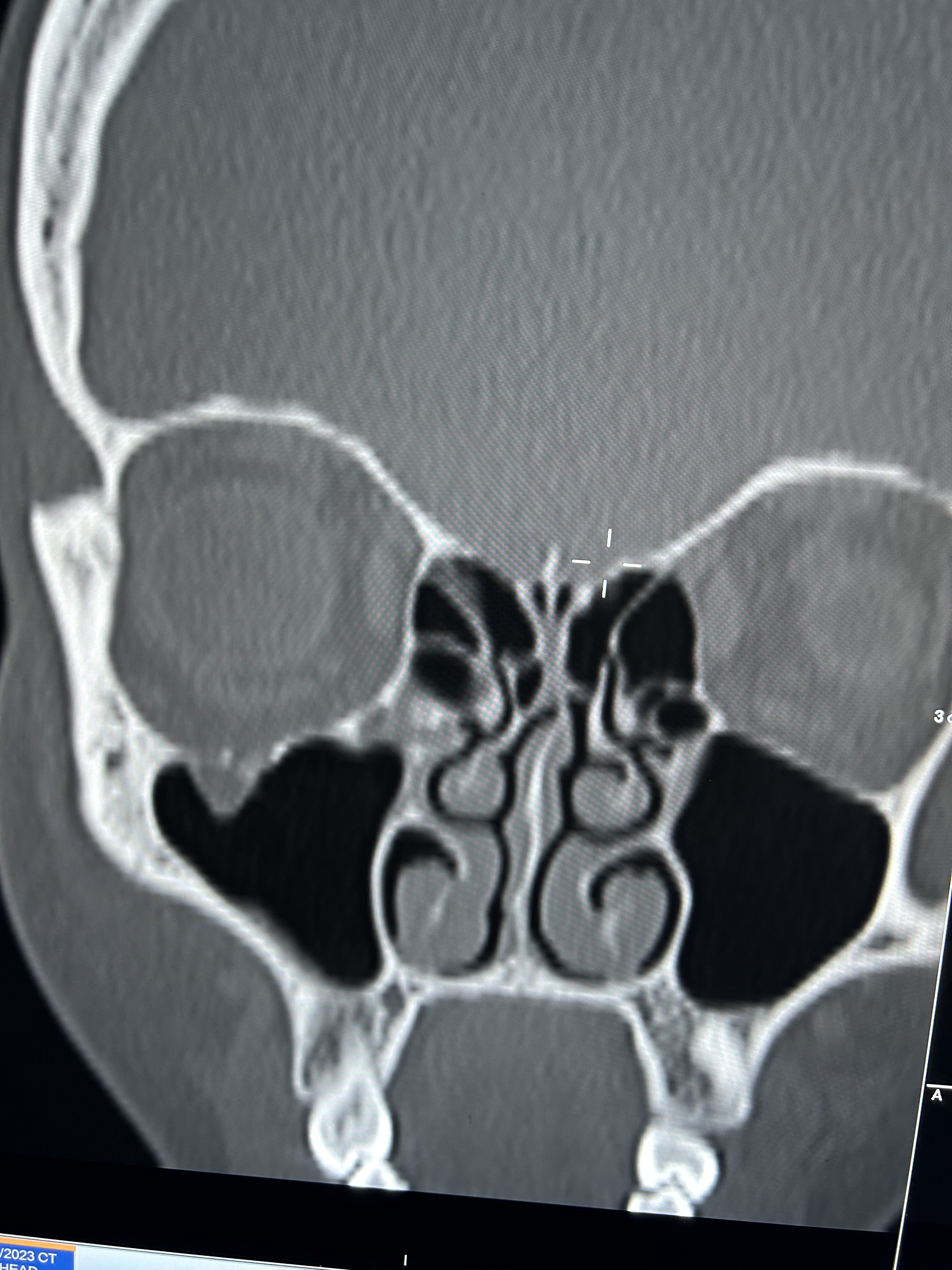
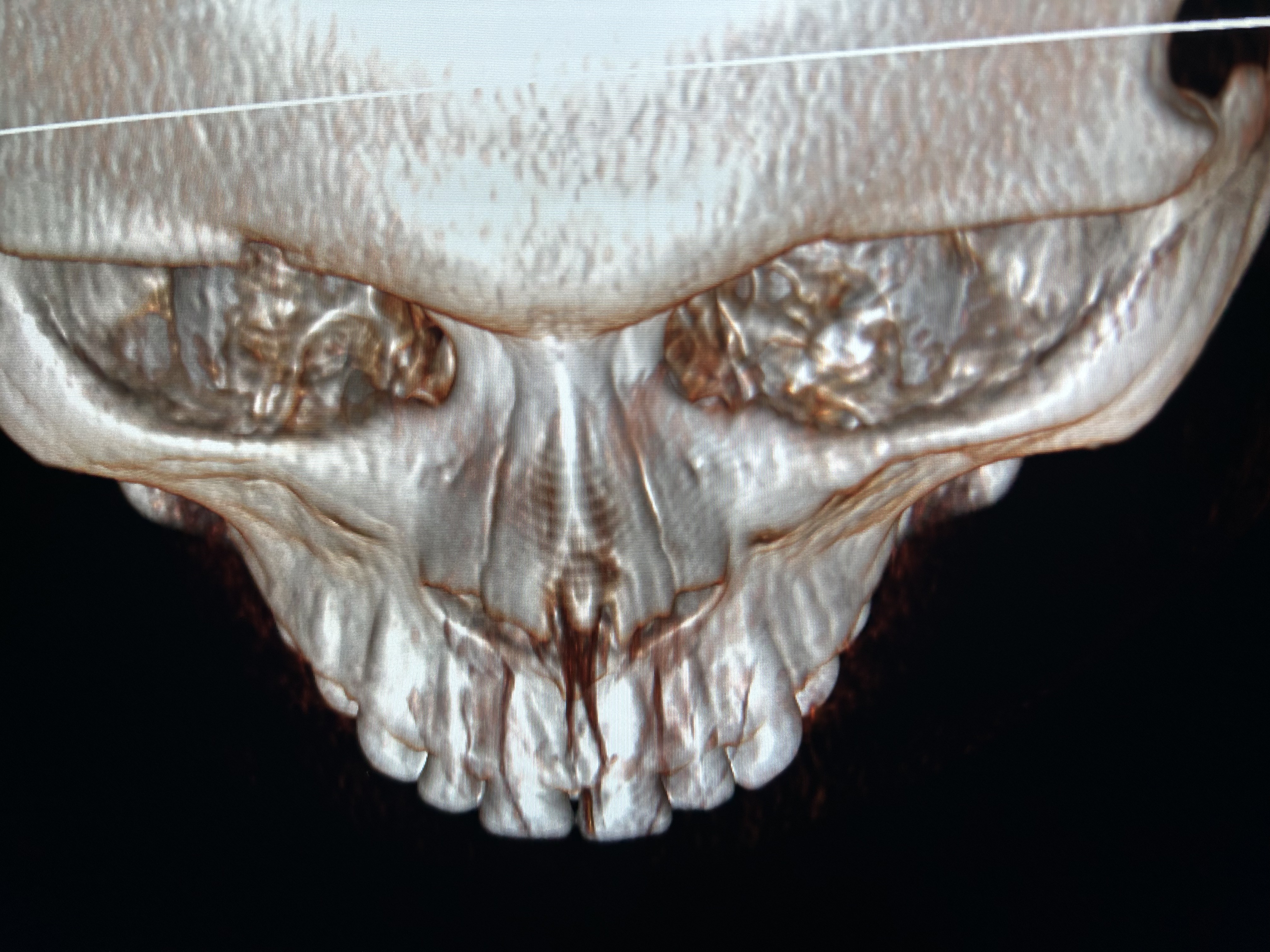
Zygomatic arch fracture (non-surgical management)
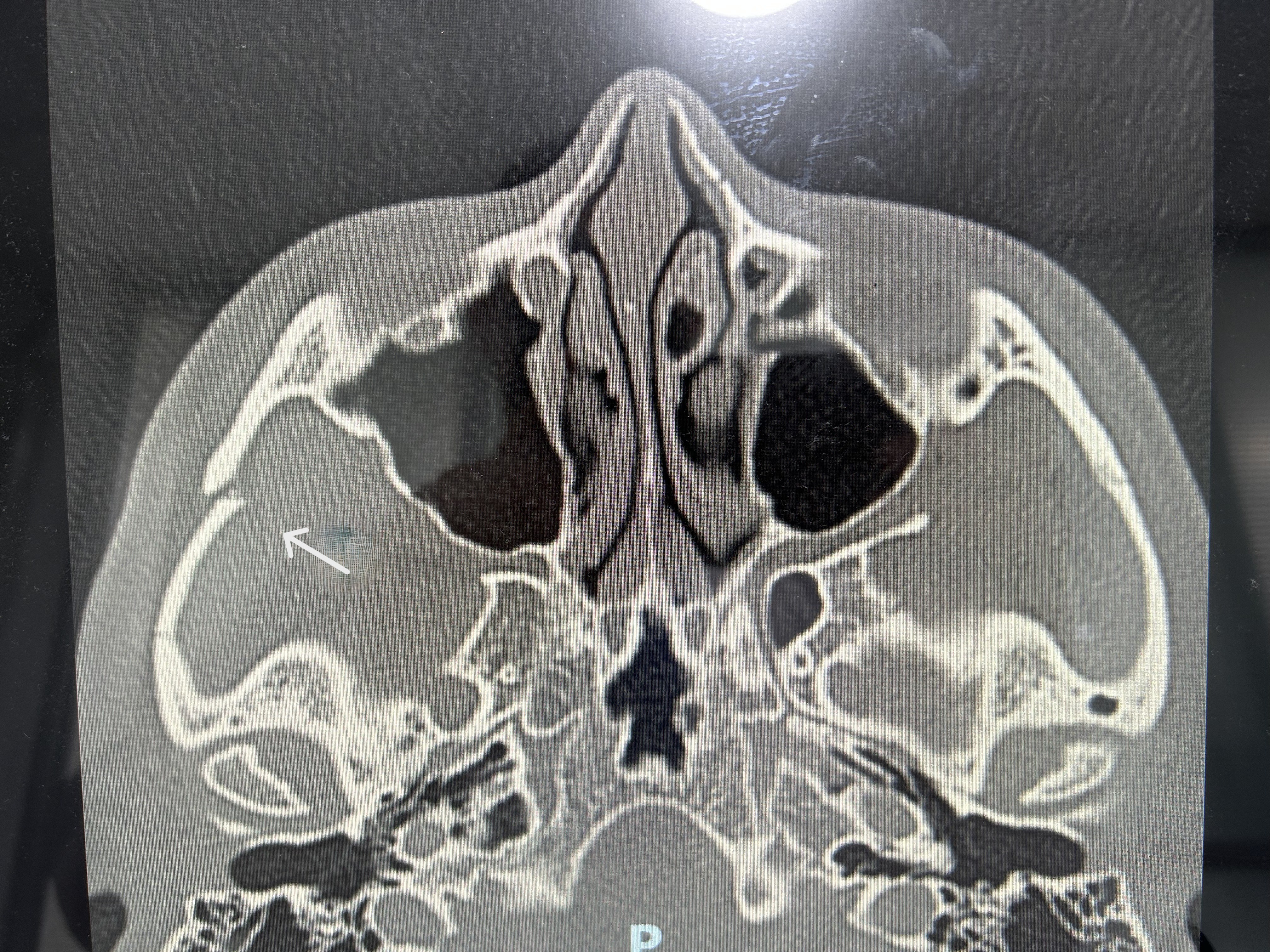
Zygomatic arch/anterior wall and orbit fracture
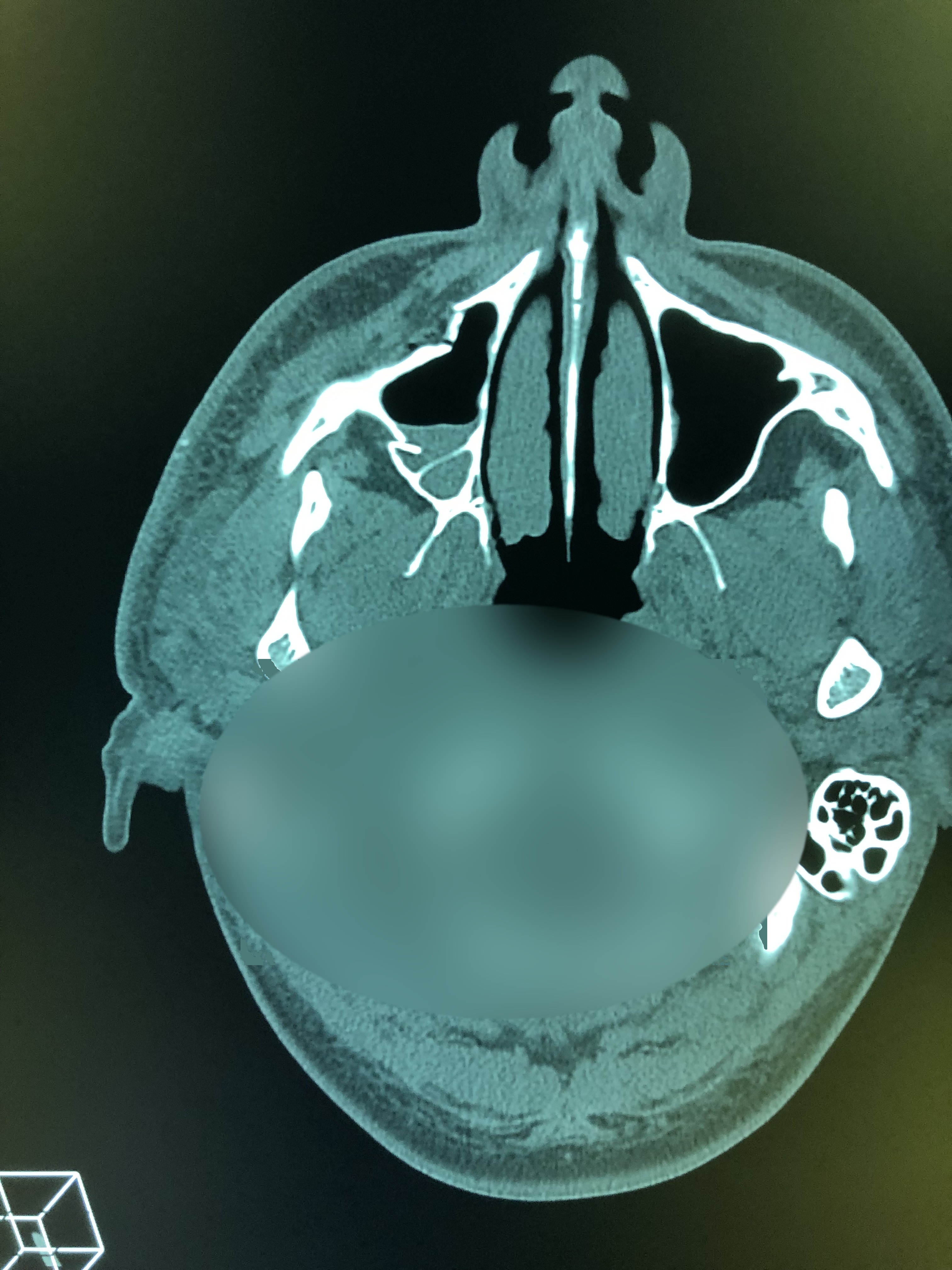
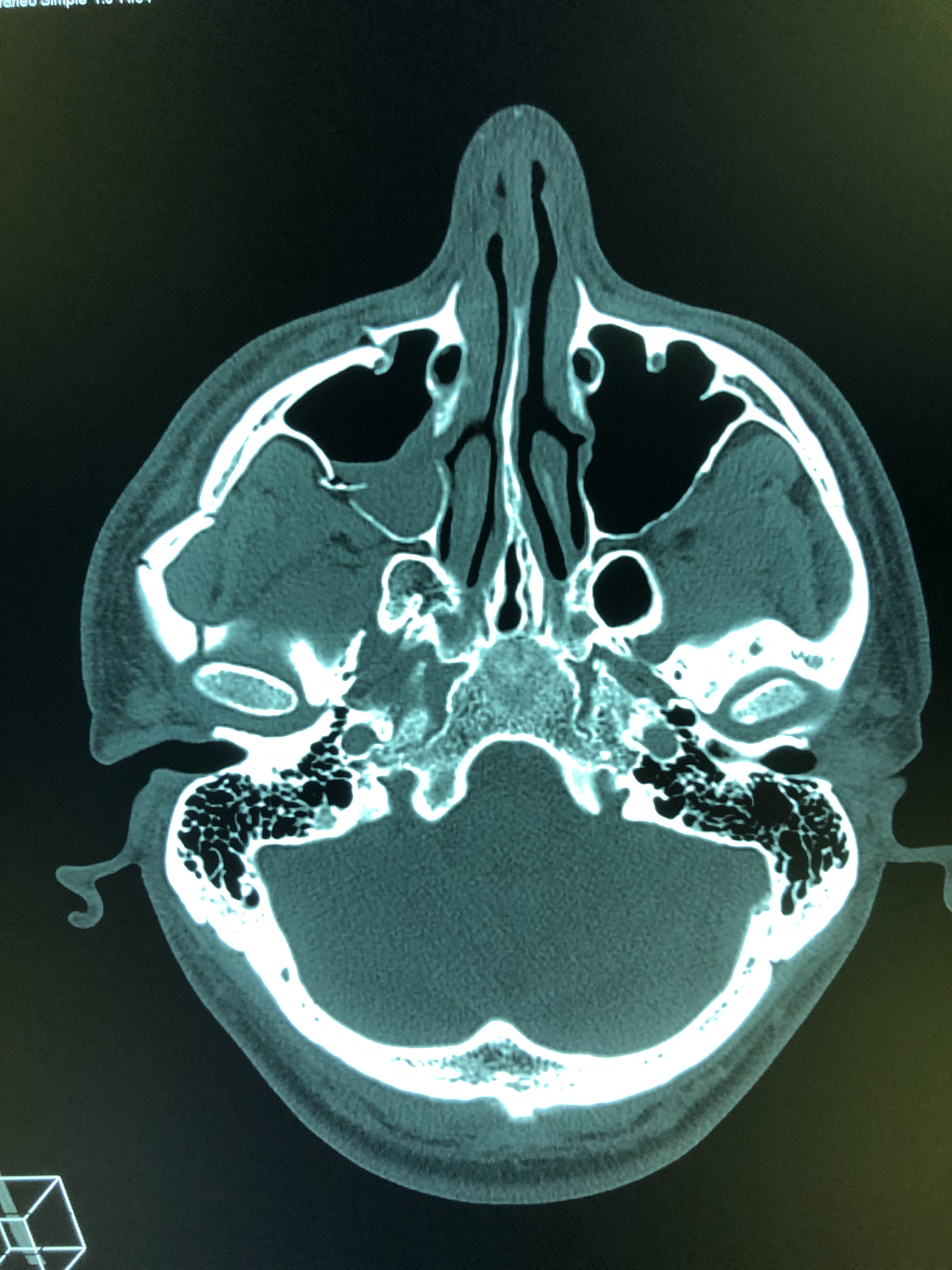
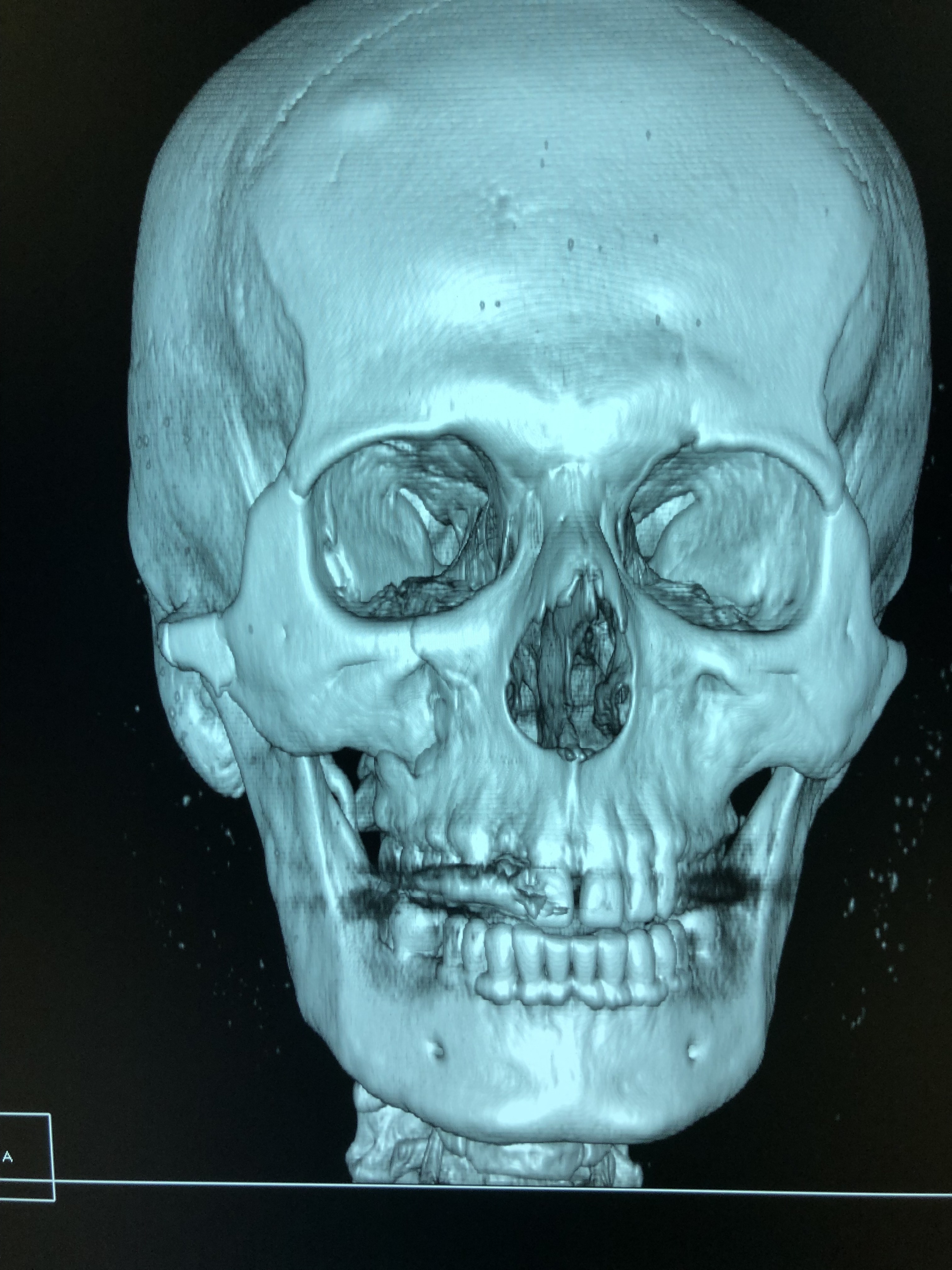
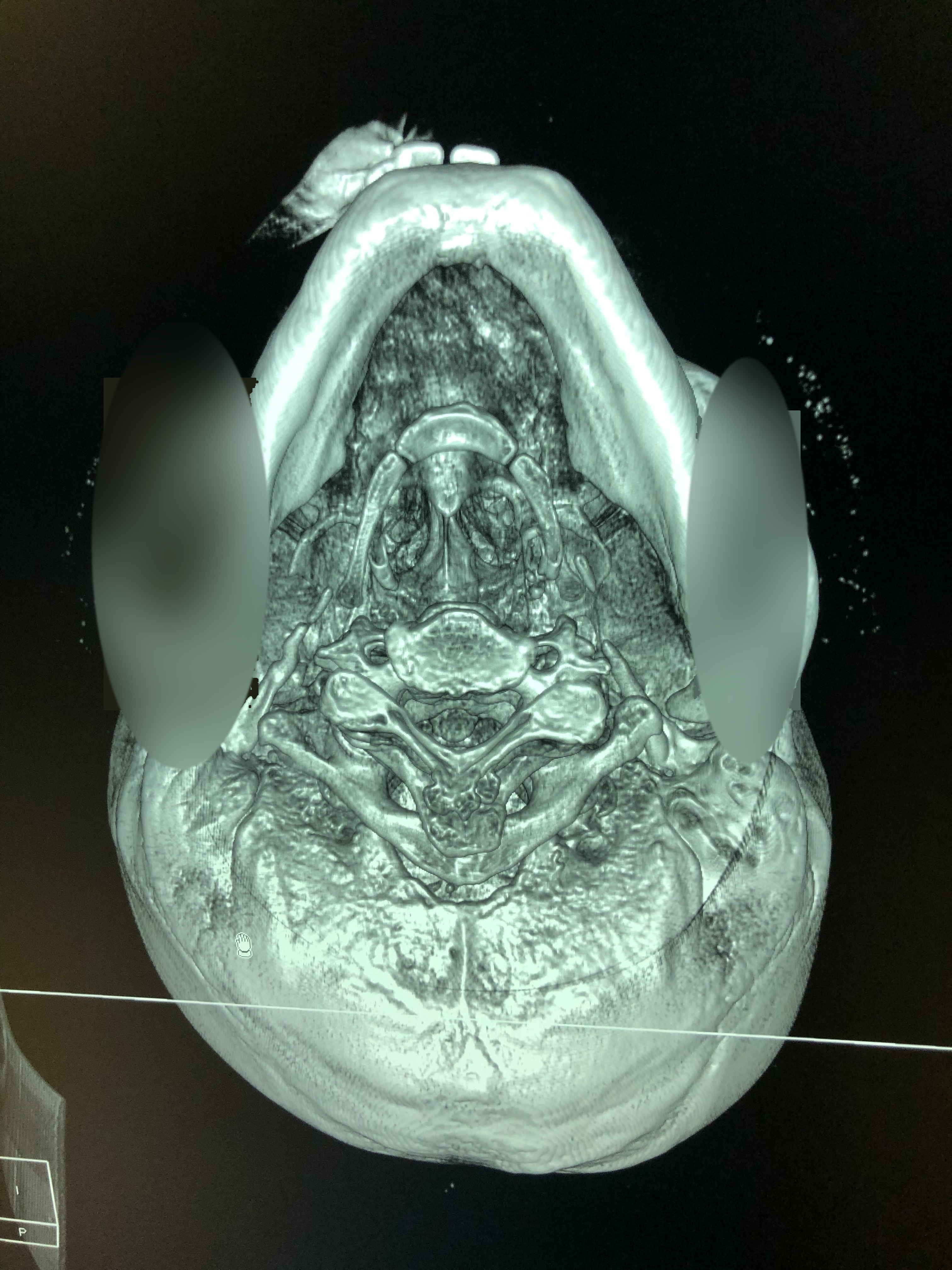
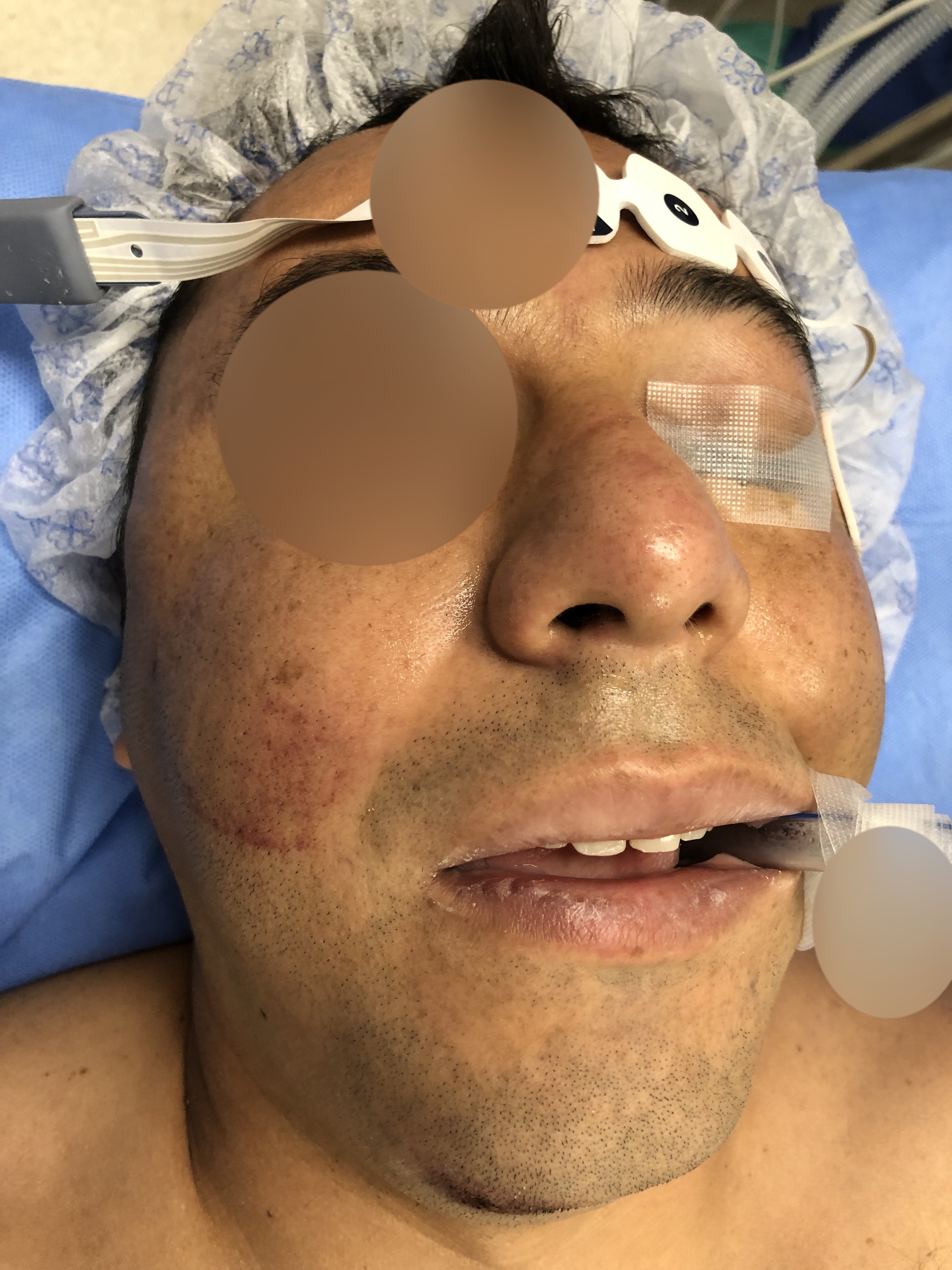
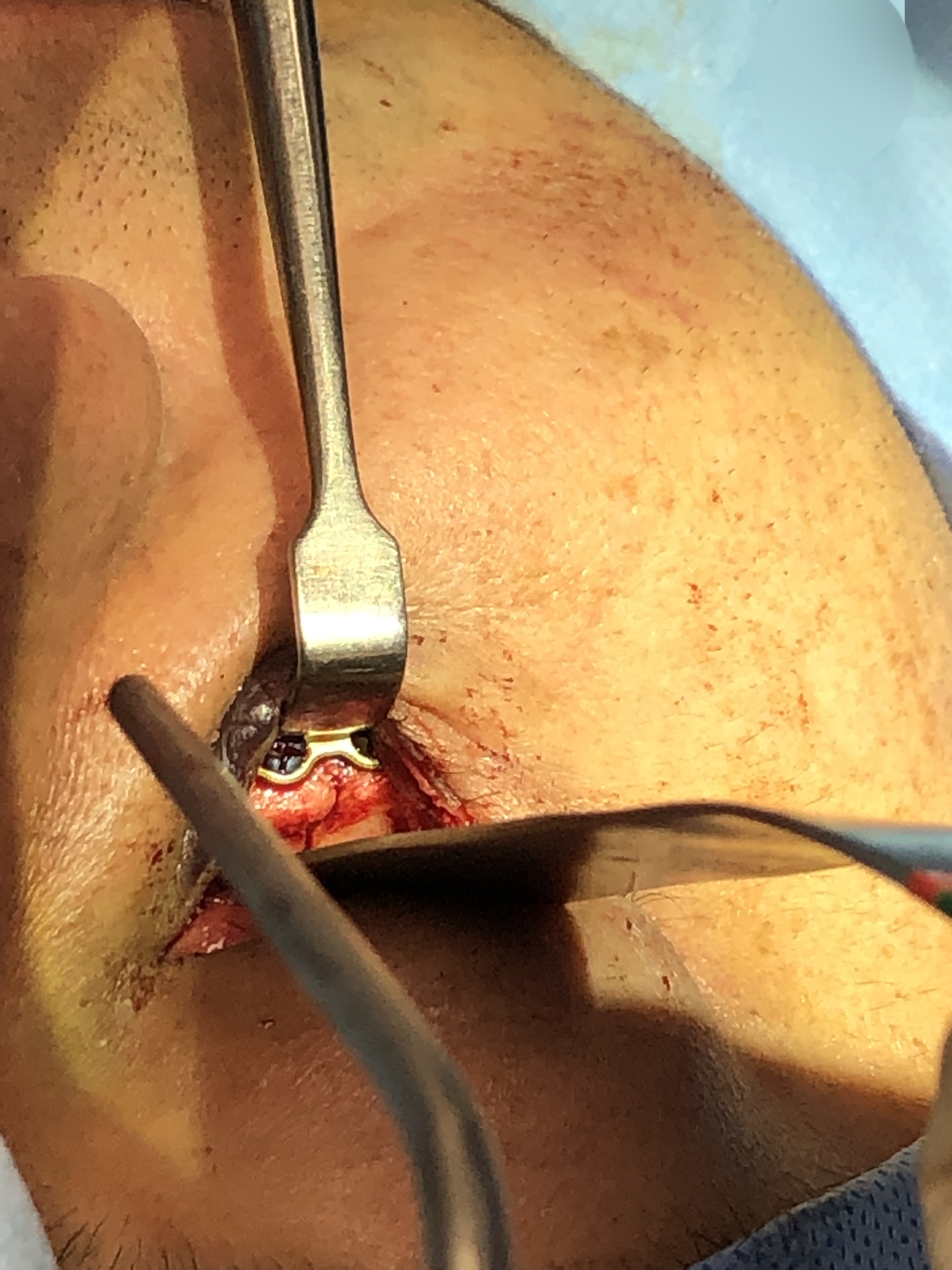
Condylar and mandibular fracture
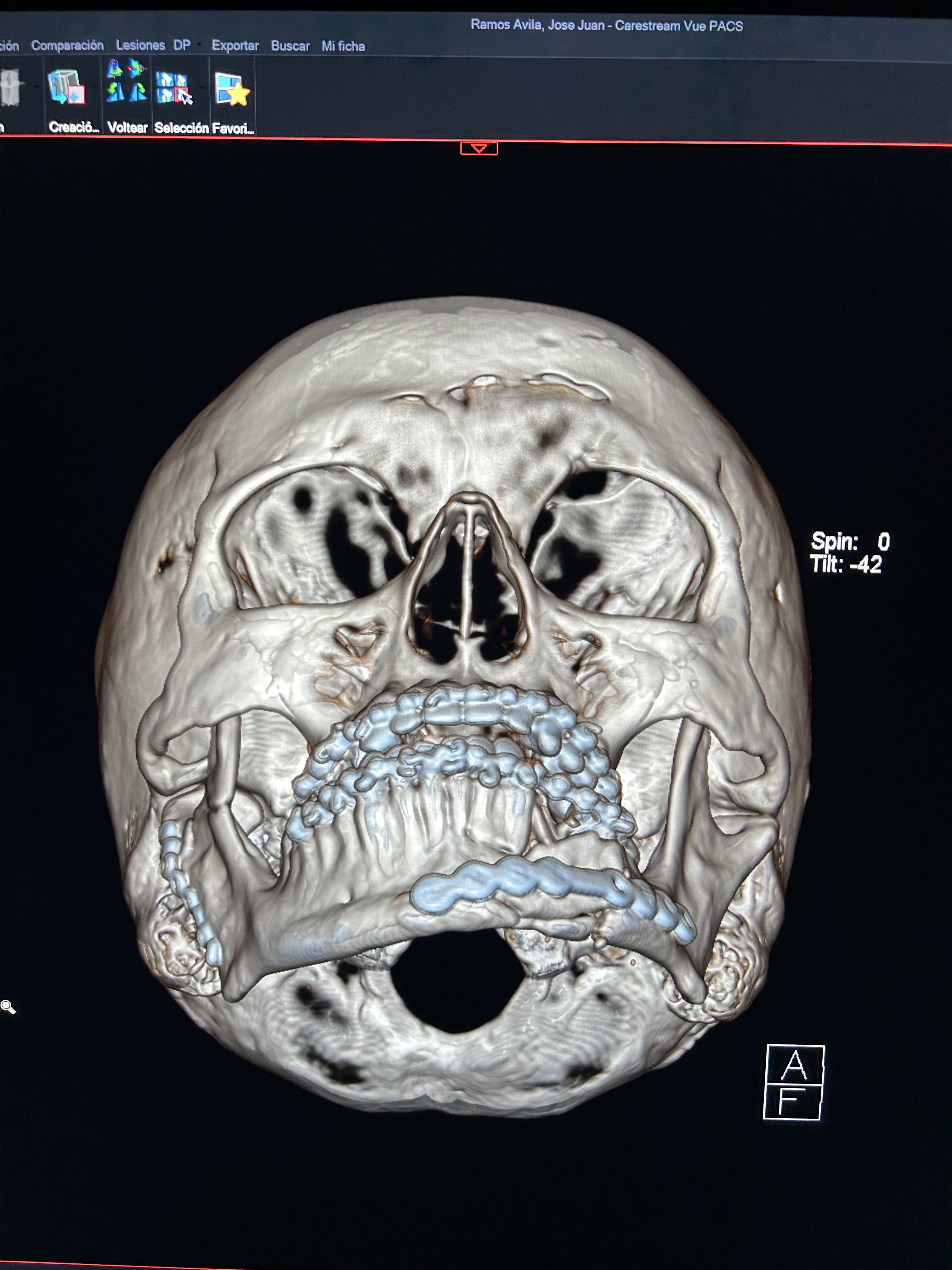
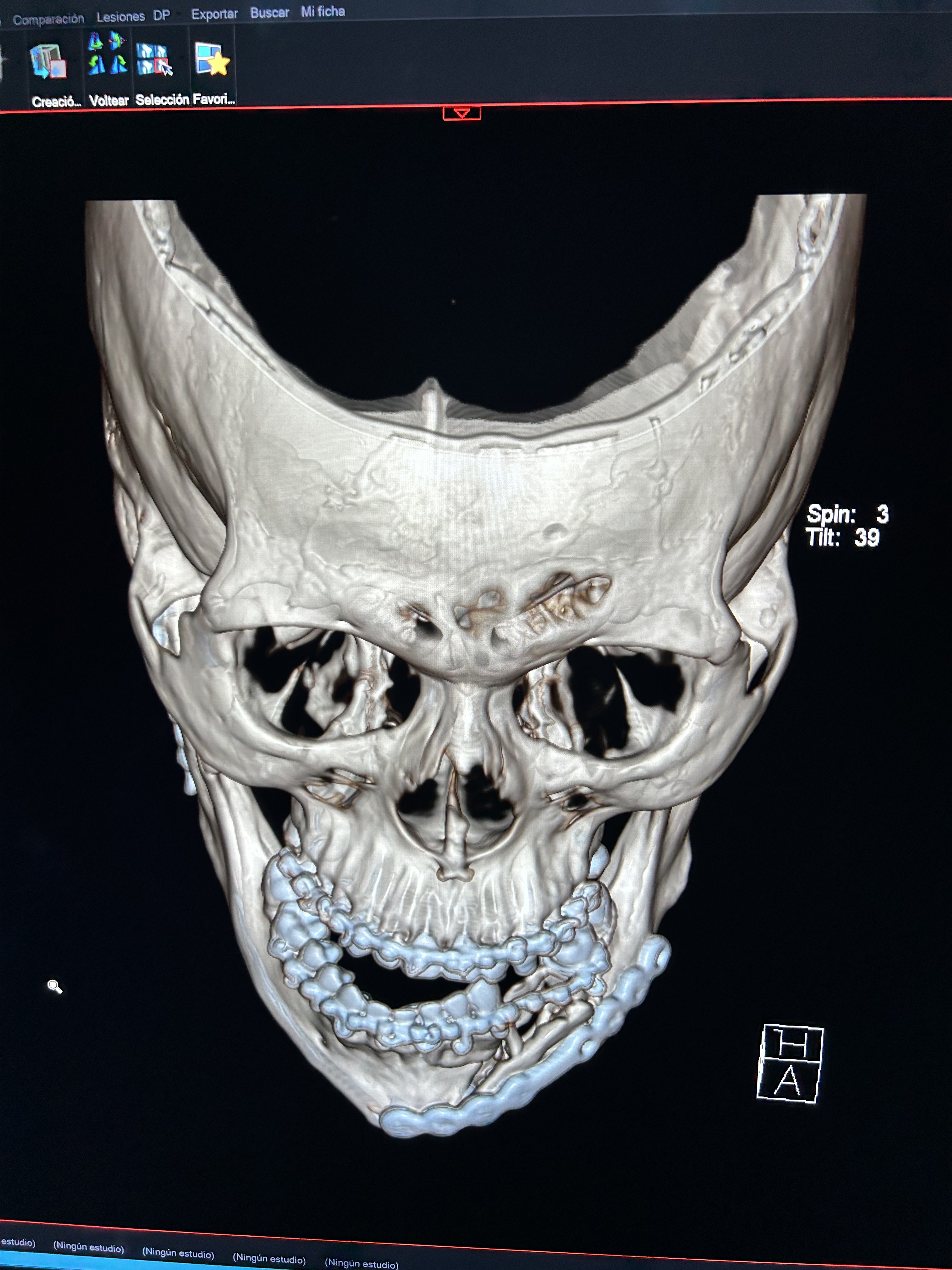
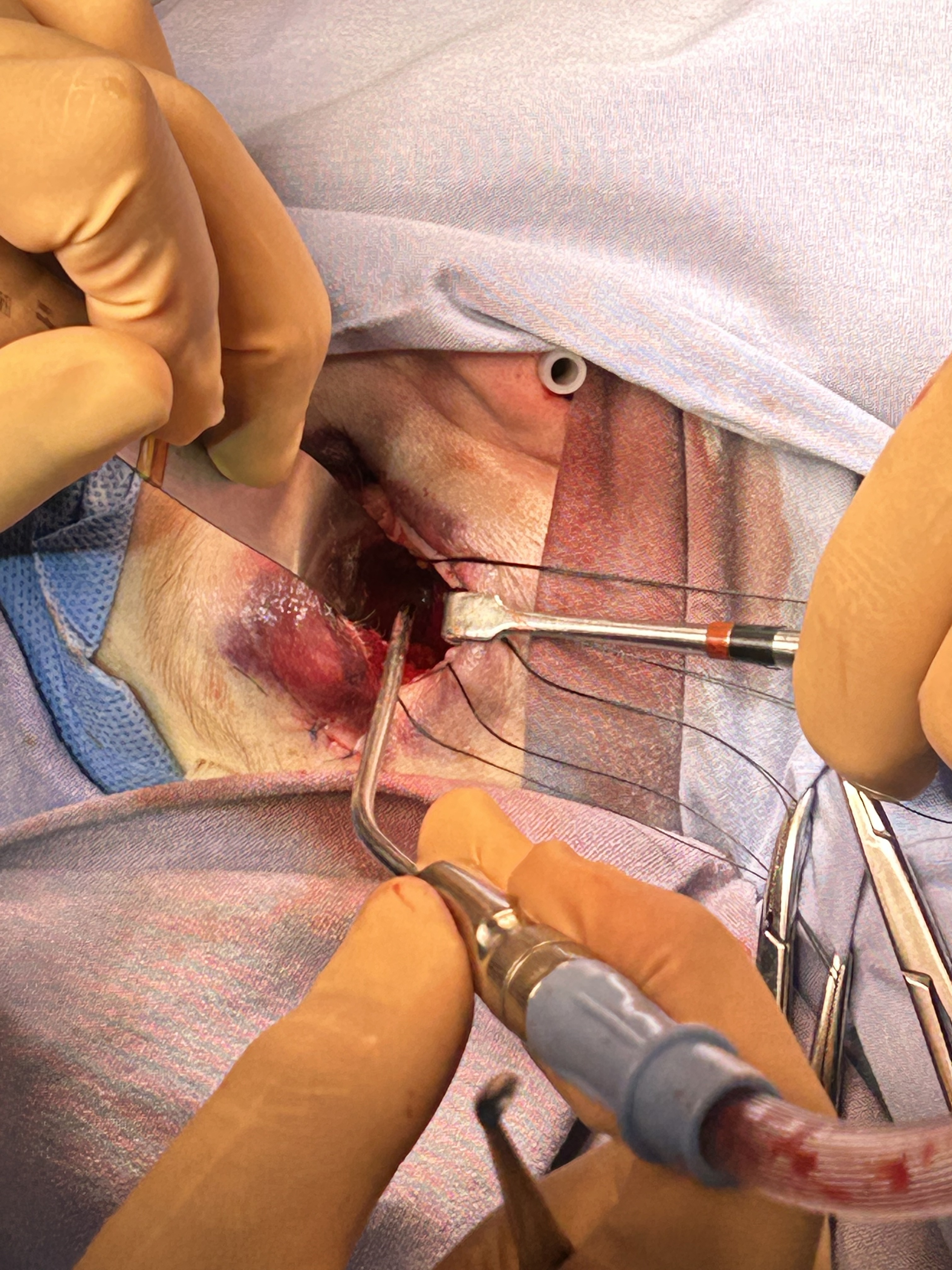
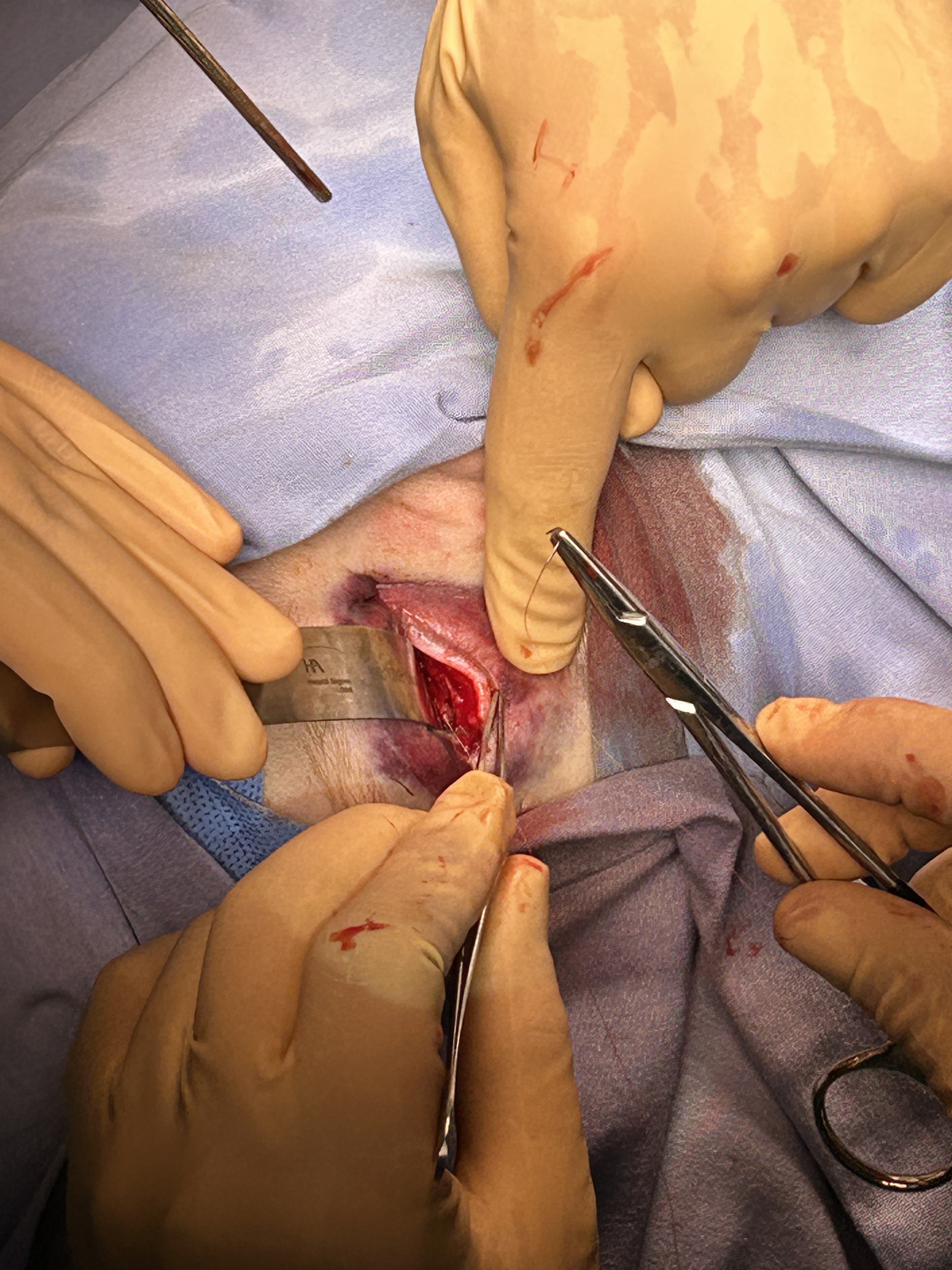
Orbital floor fracture (surgical)
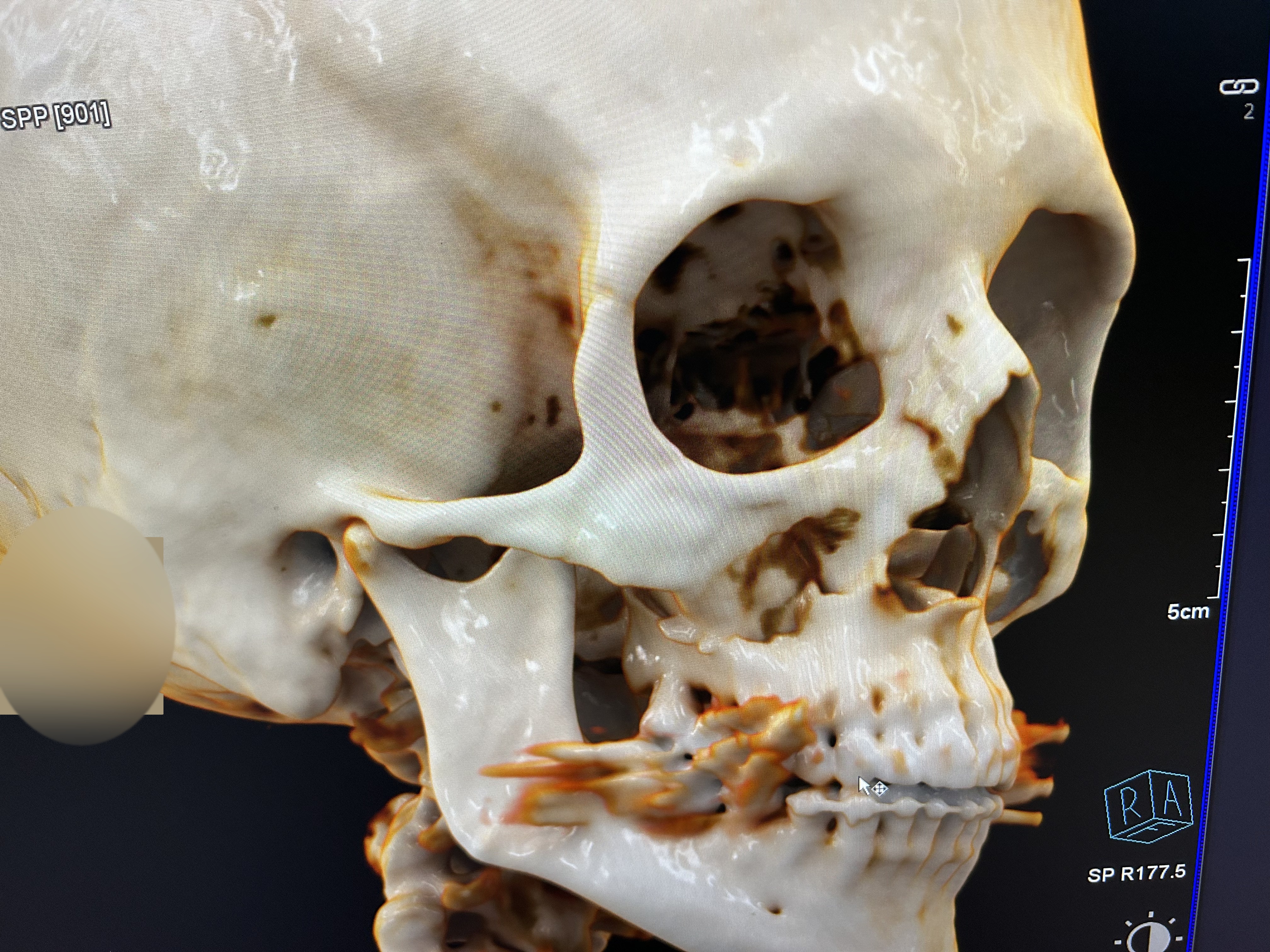
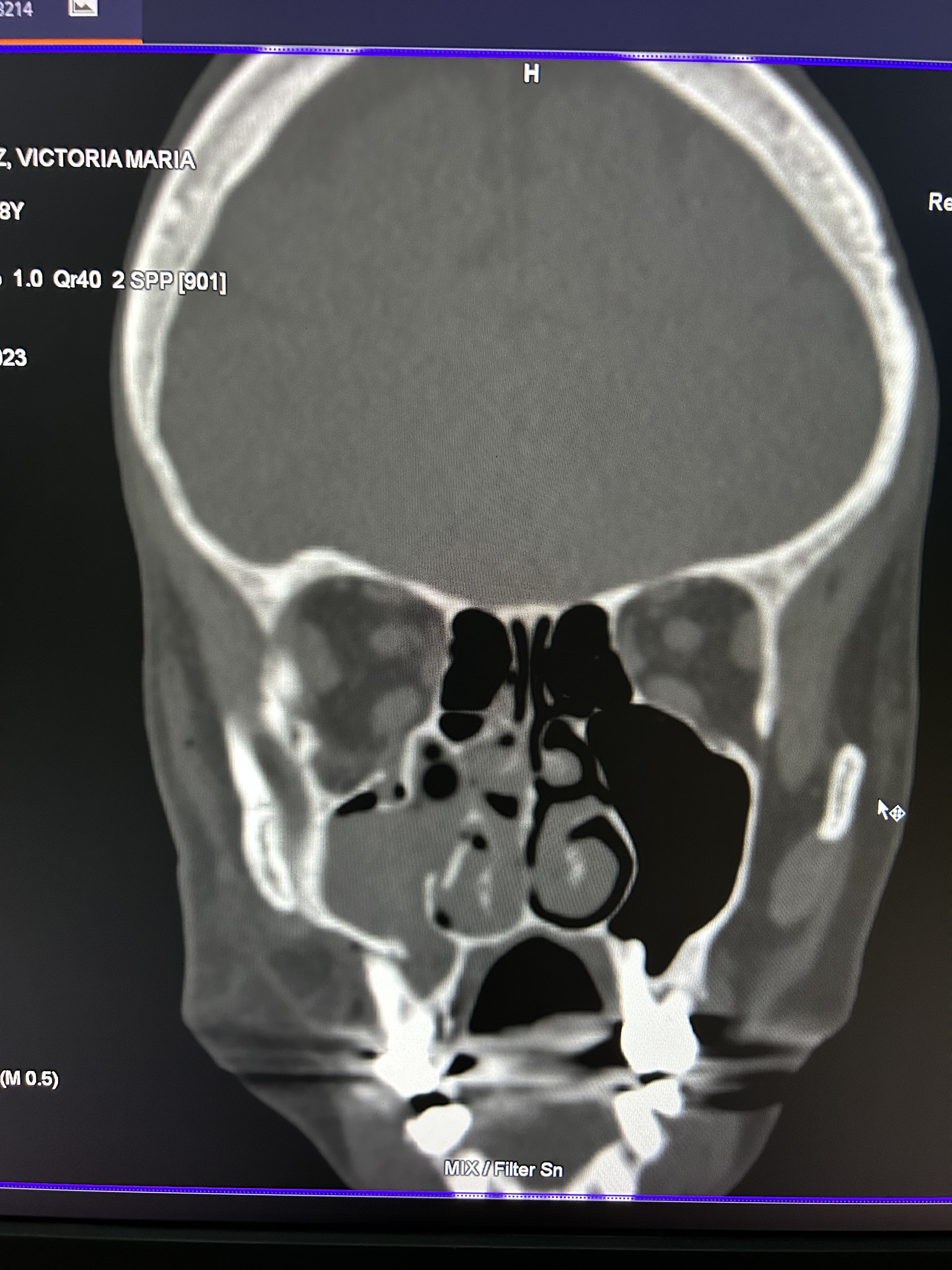
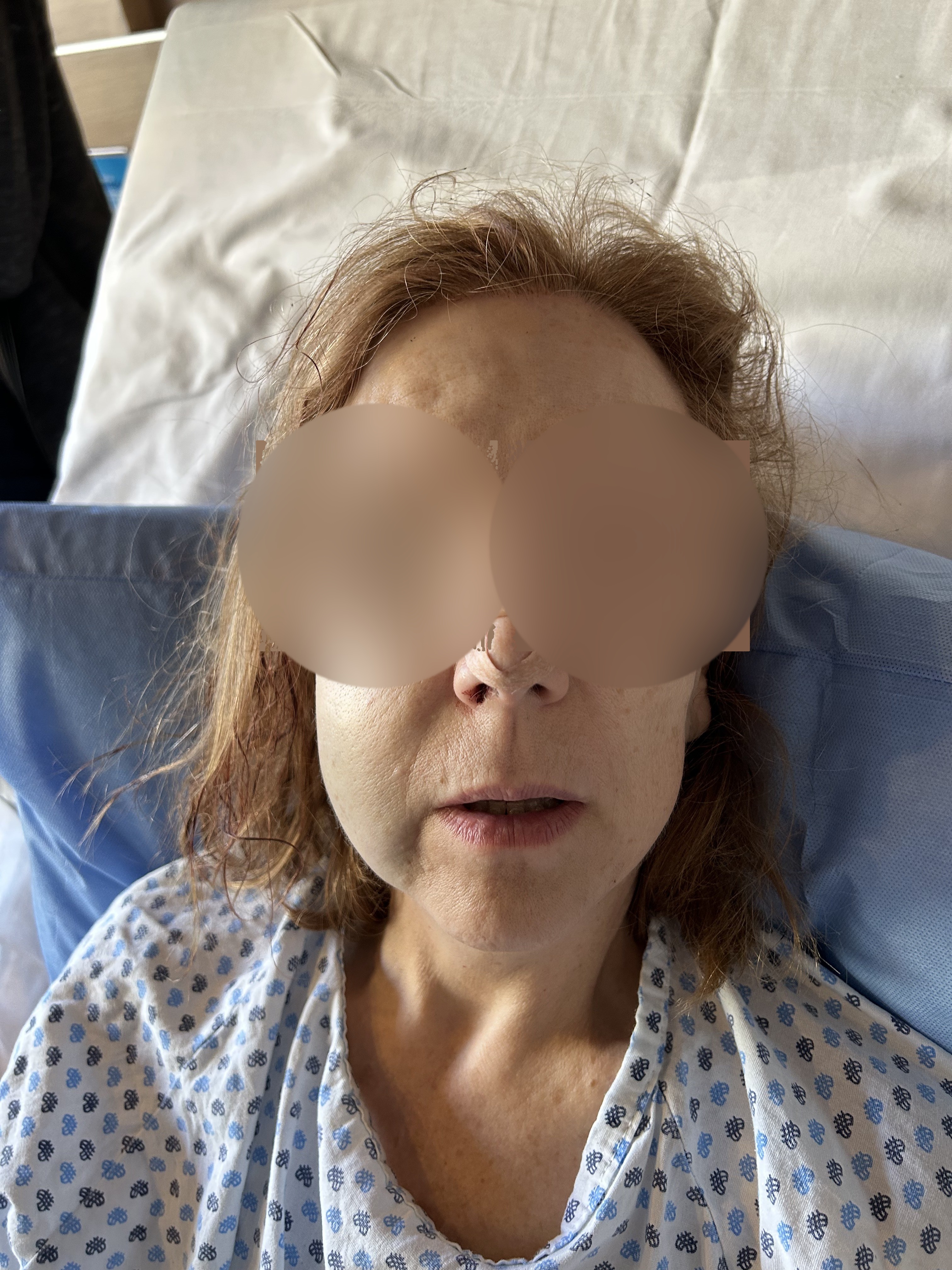
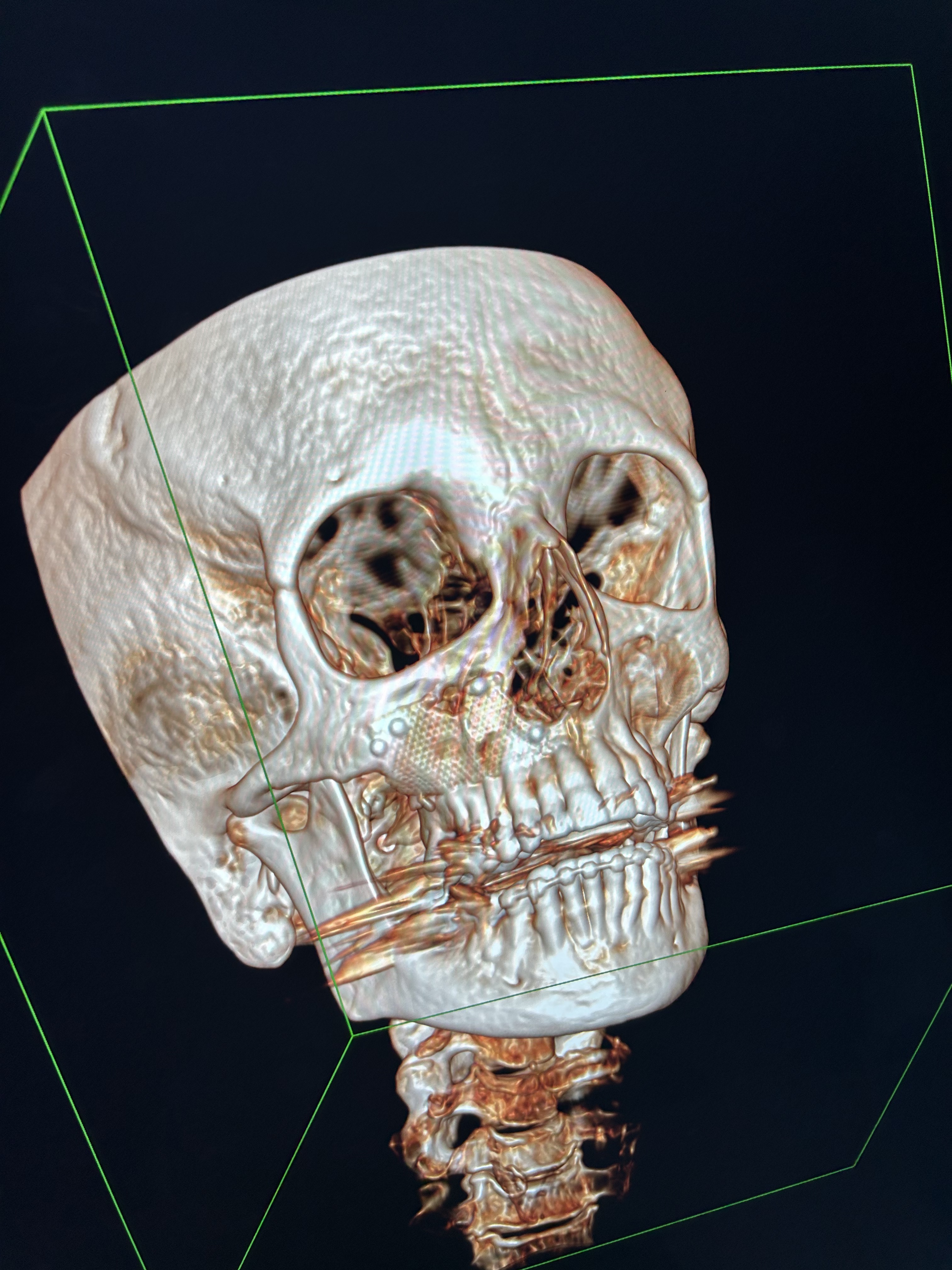
Orbital floor fracture (subciliary approach)
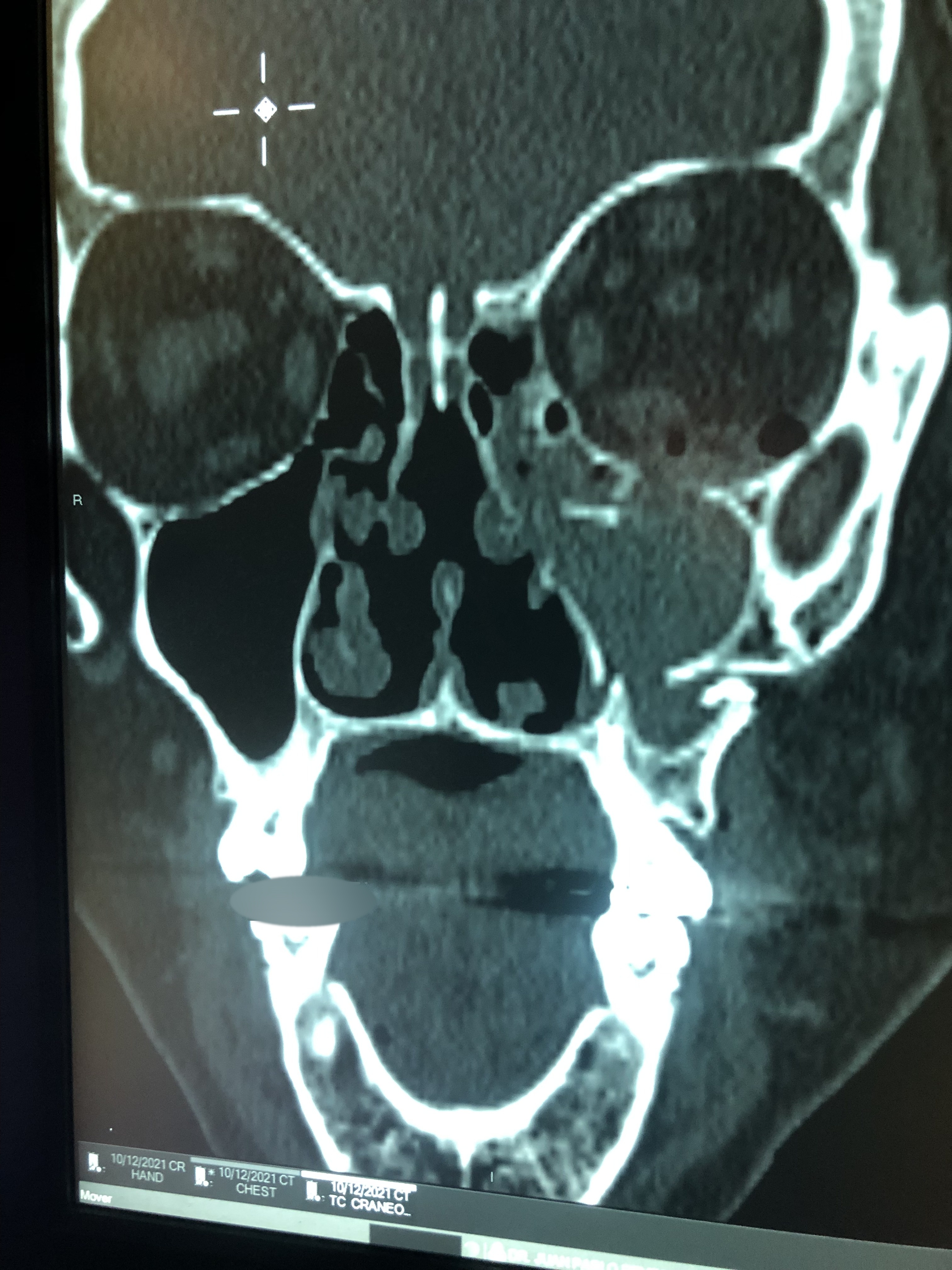
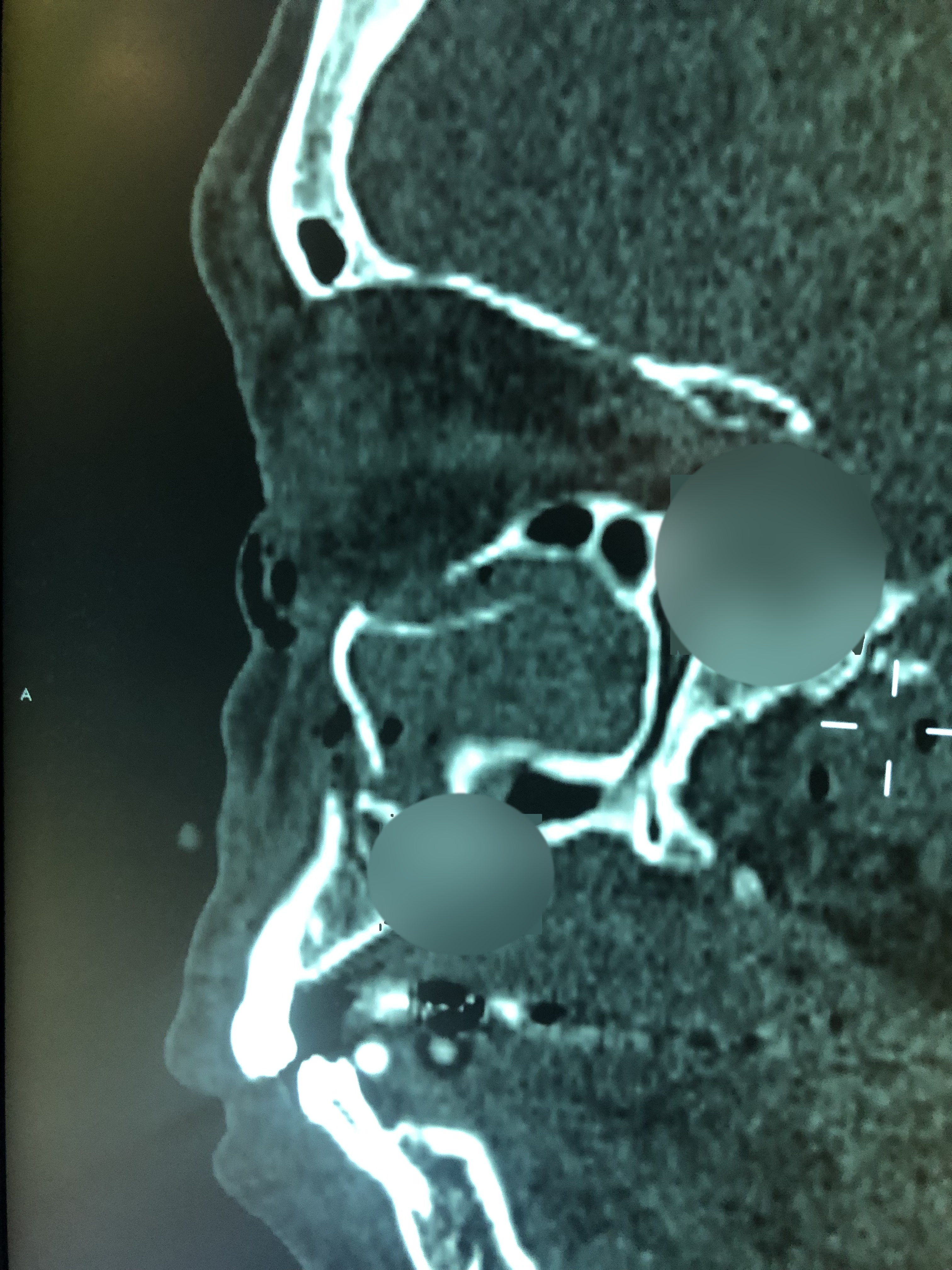
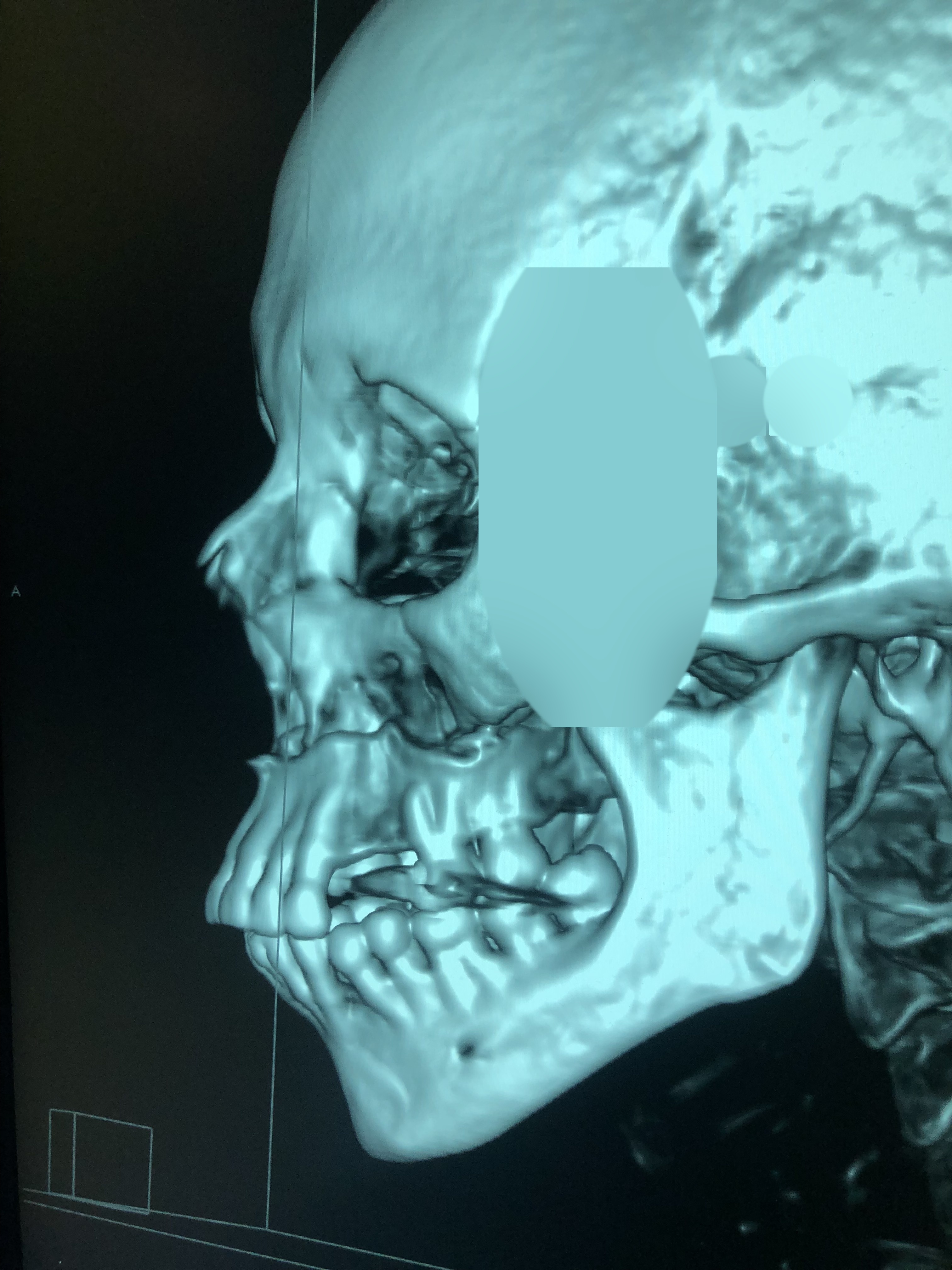
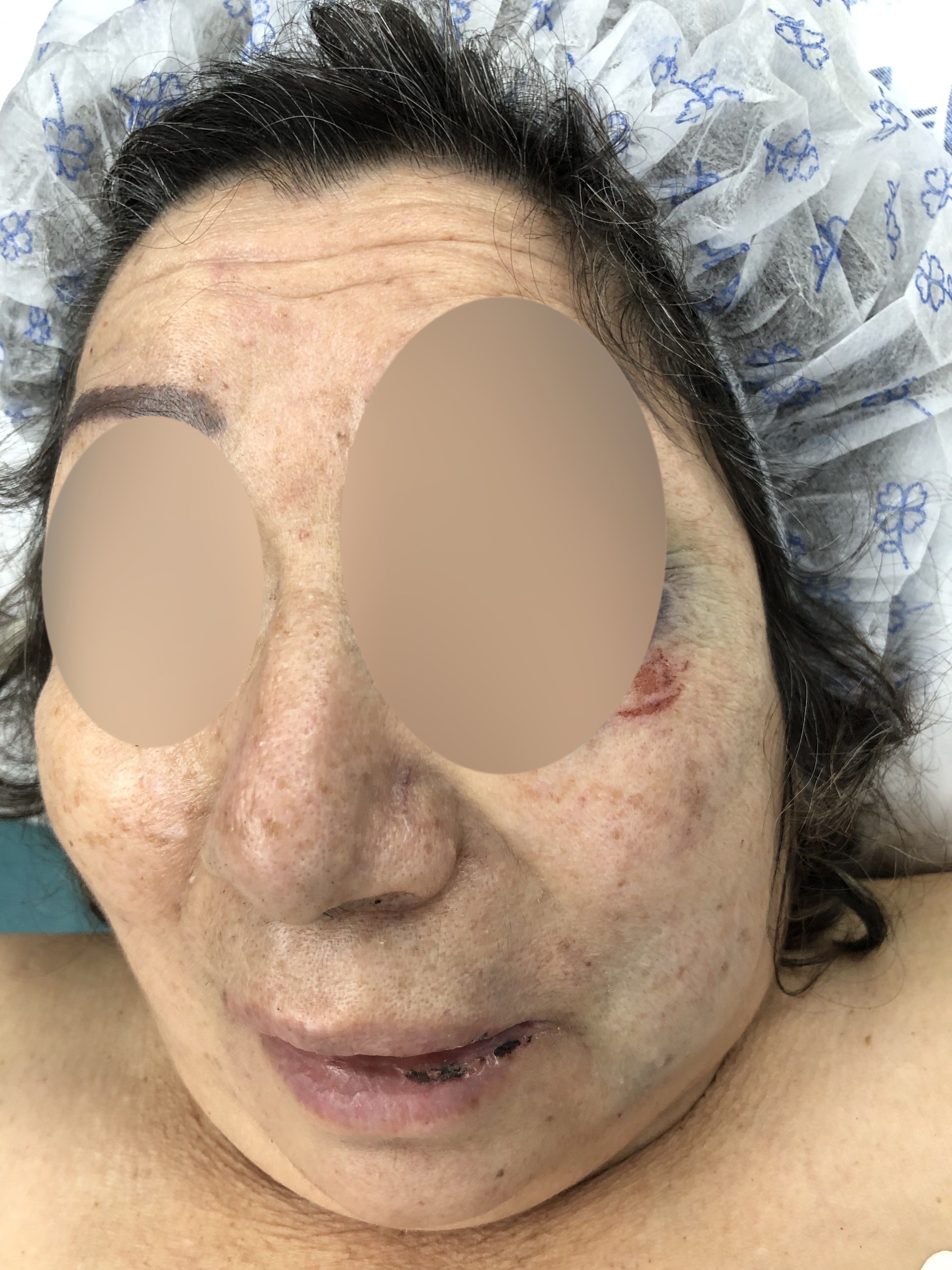
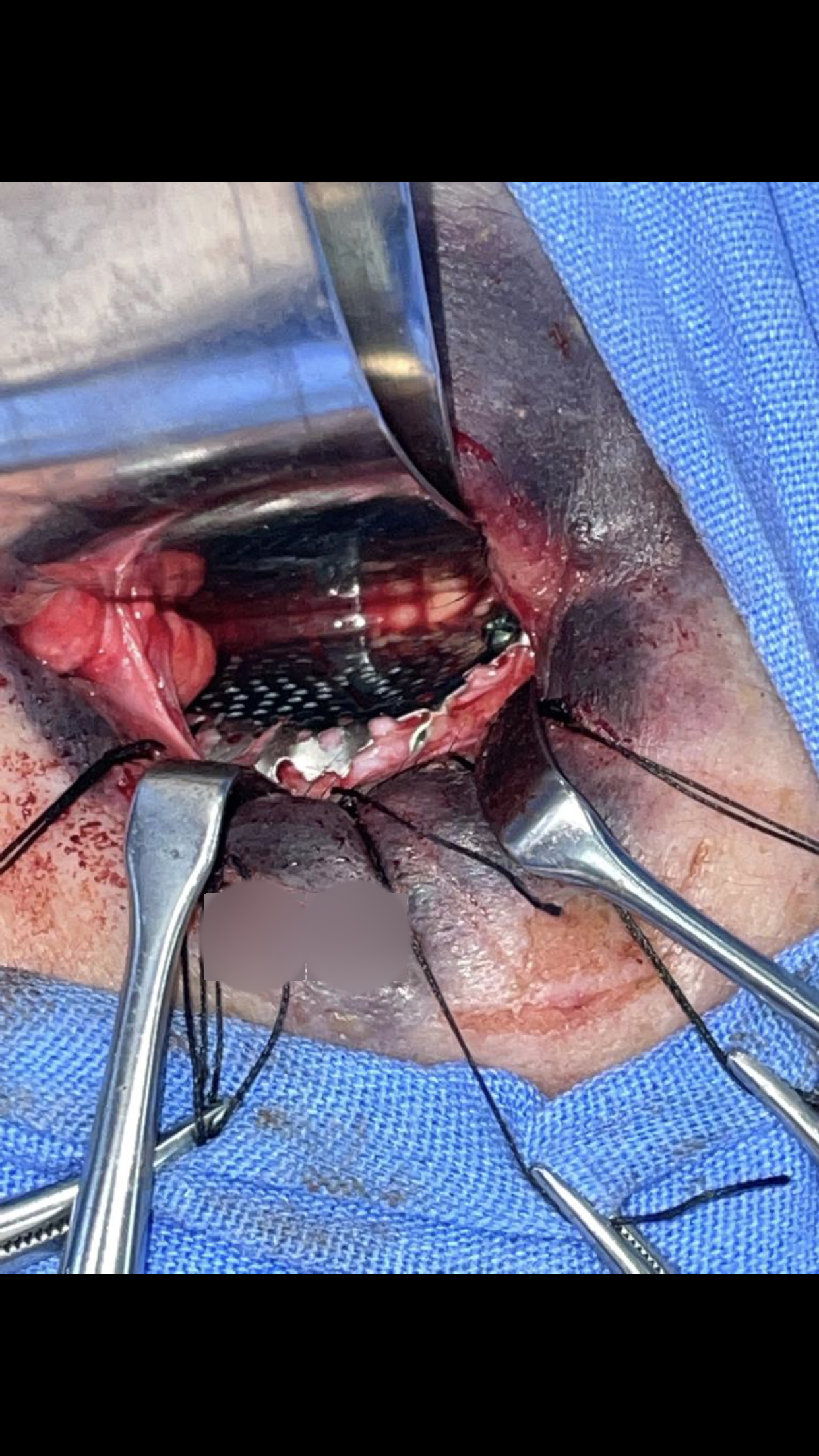
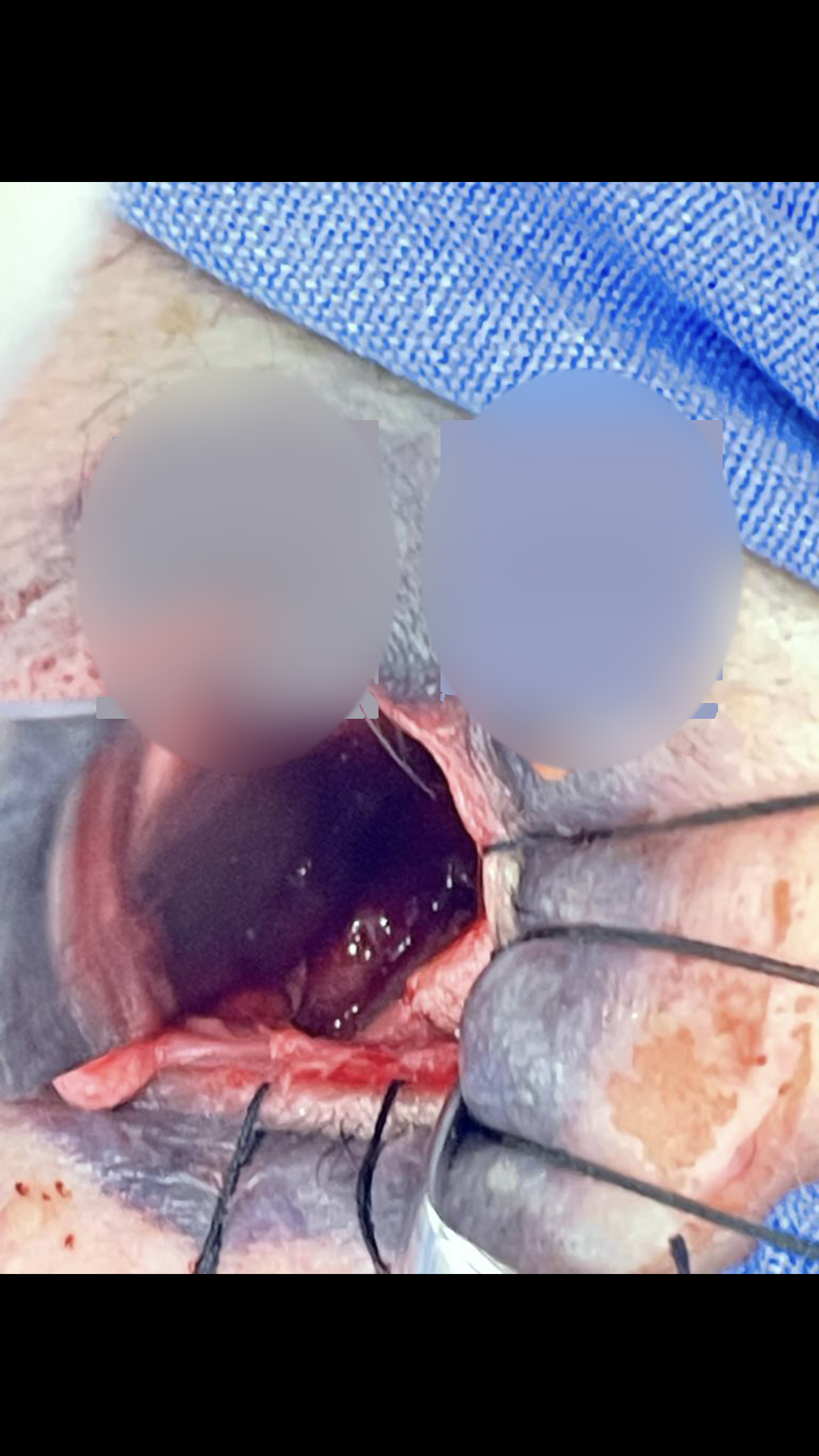
Orbital floor fracture (transconjunctival approach)
Subcondylar fracture
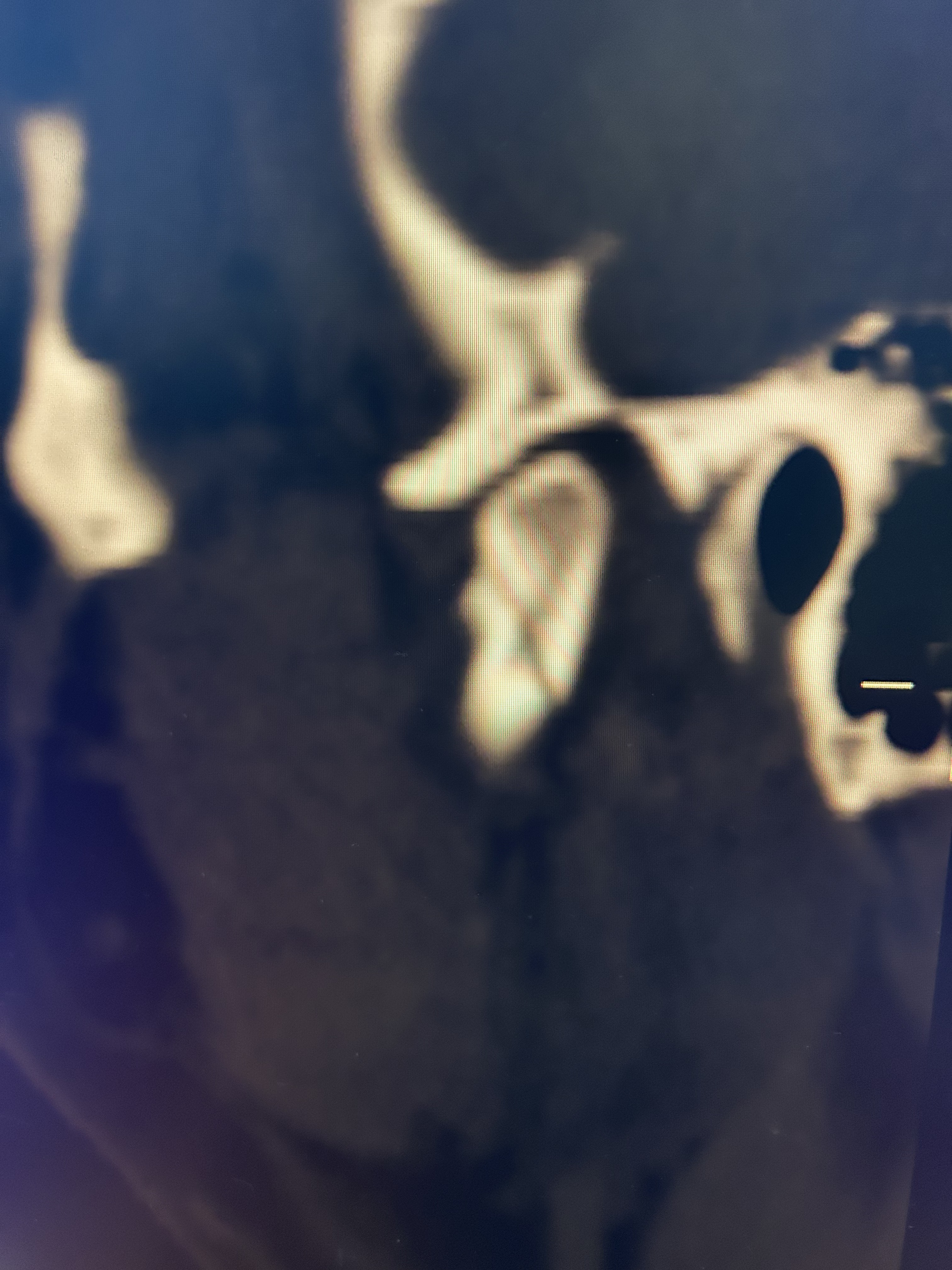
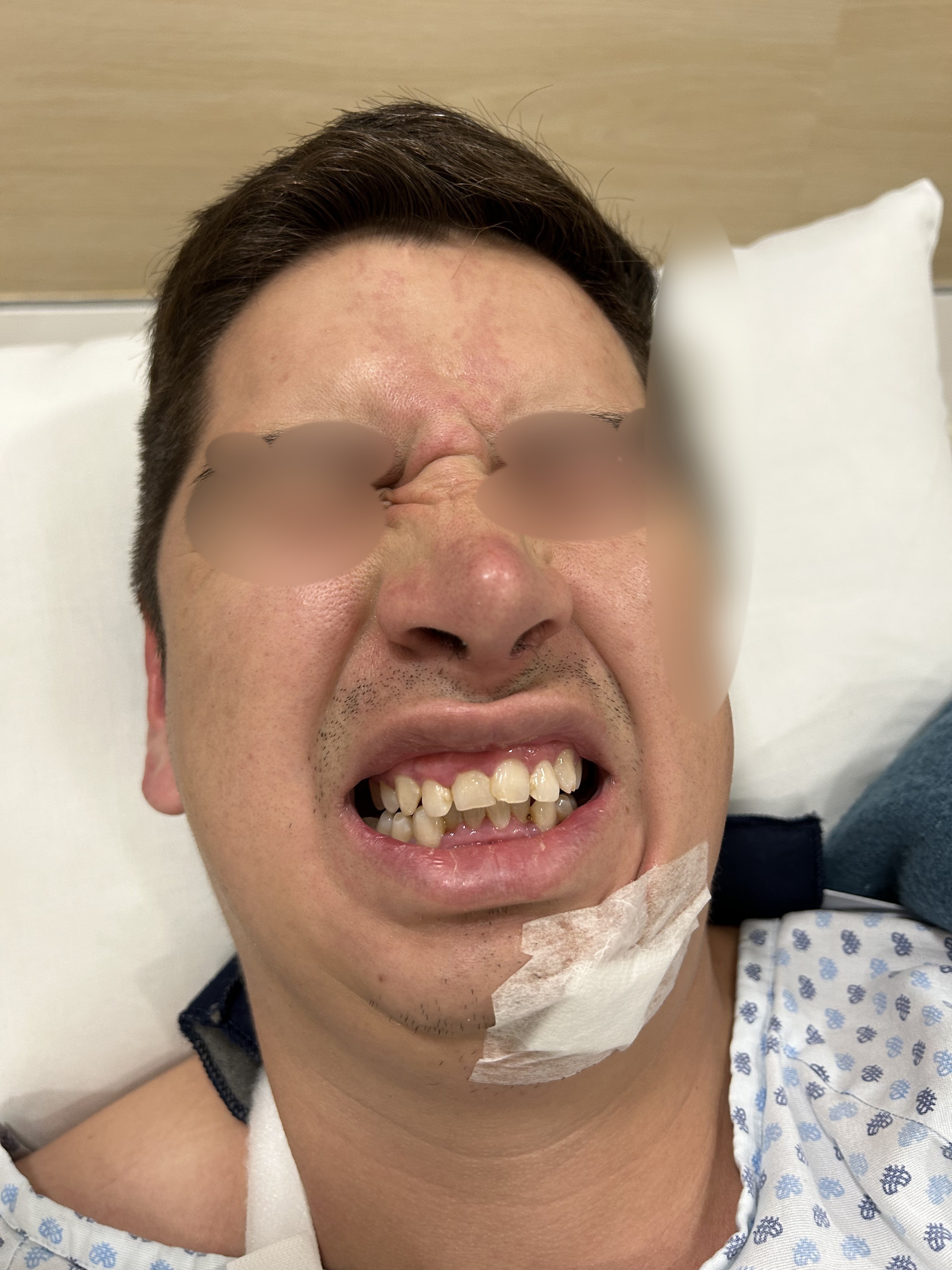
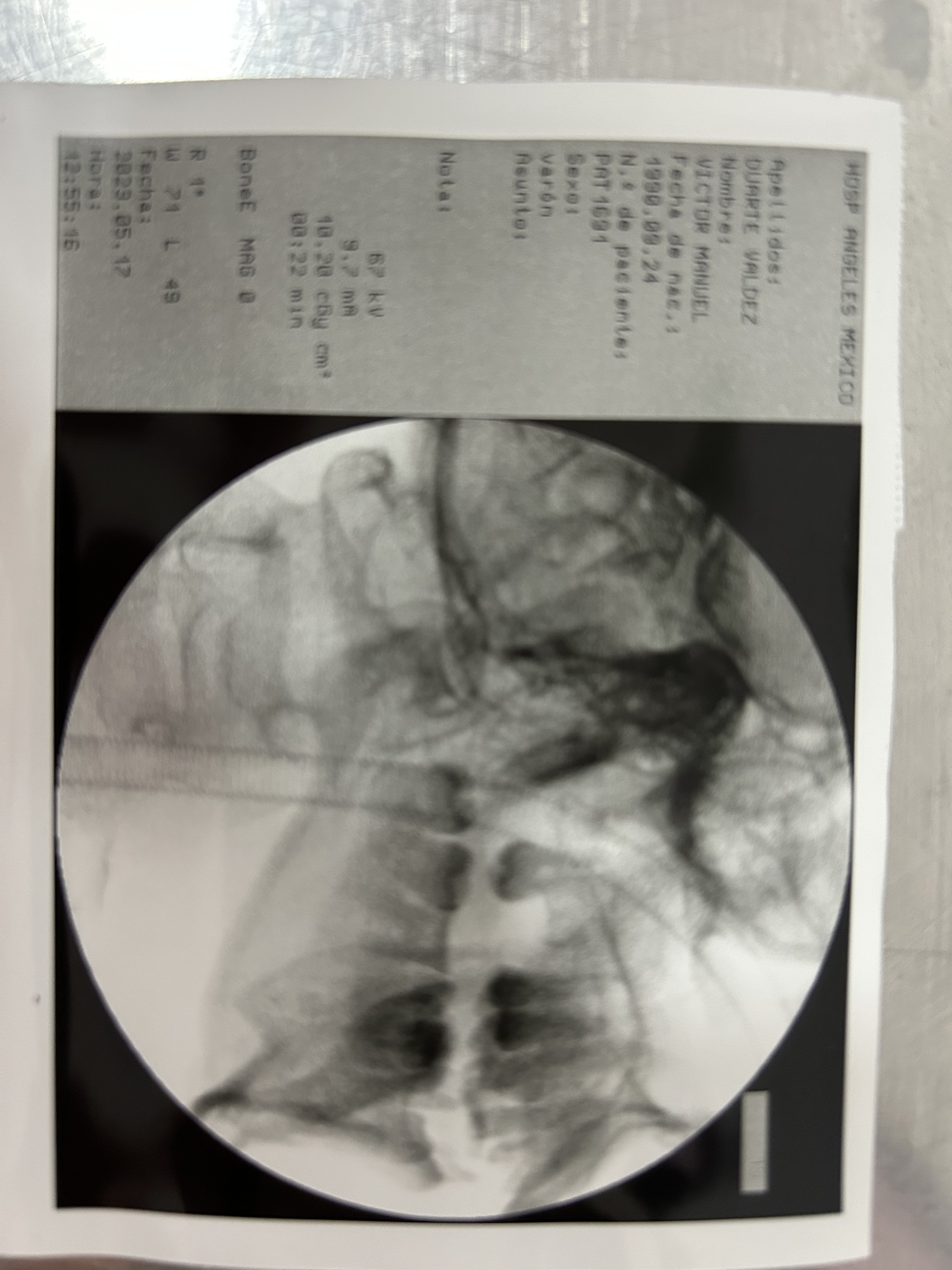
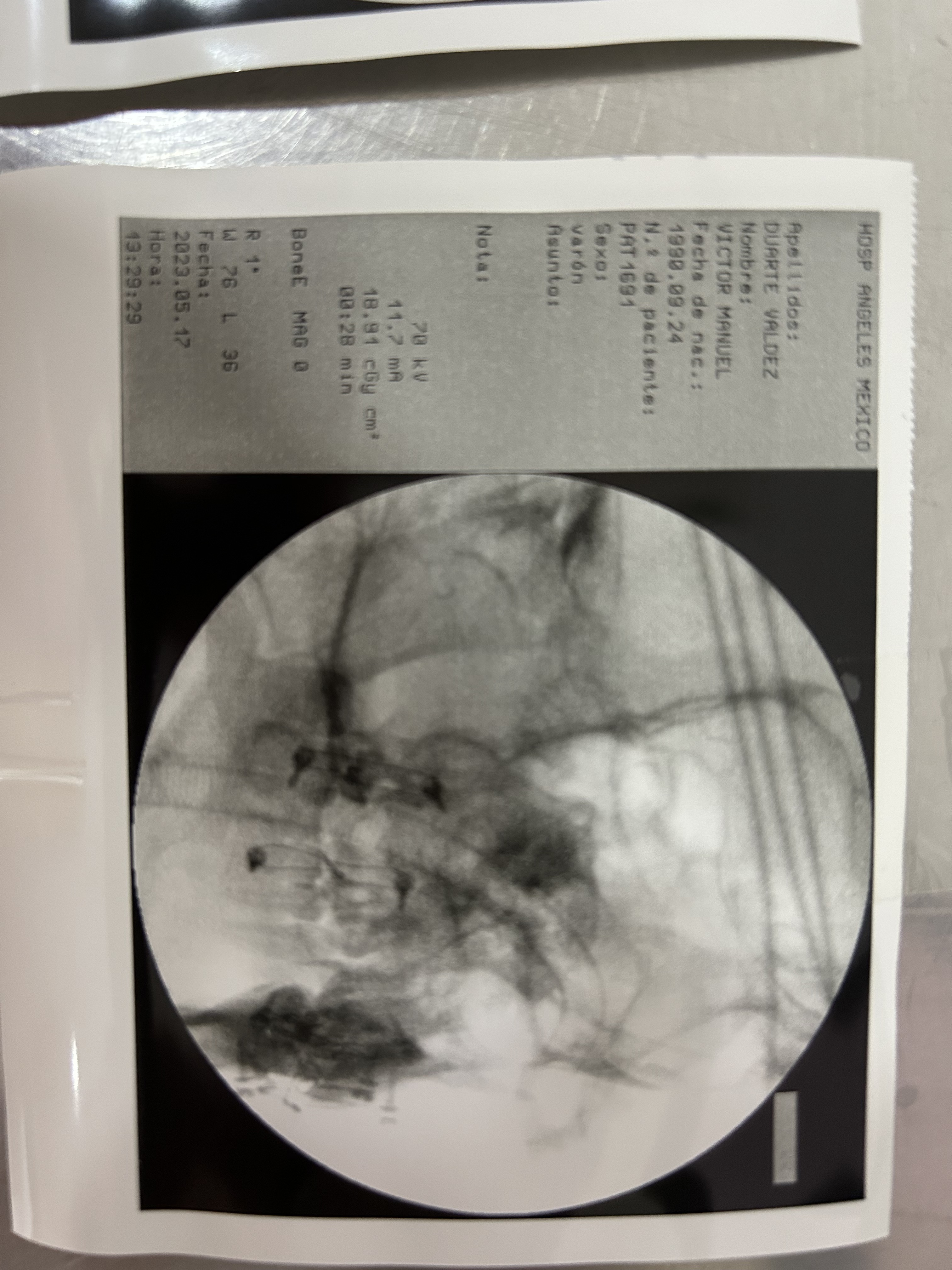
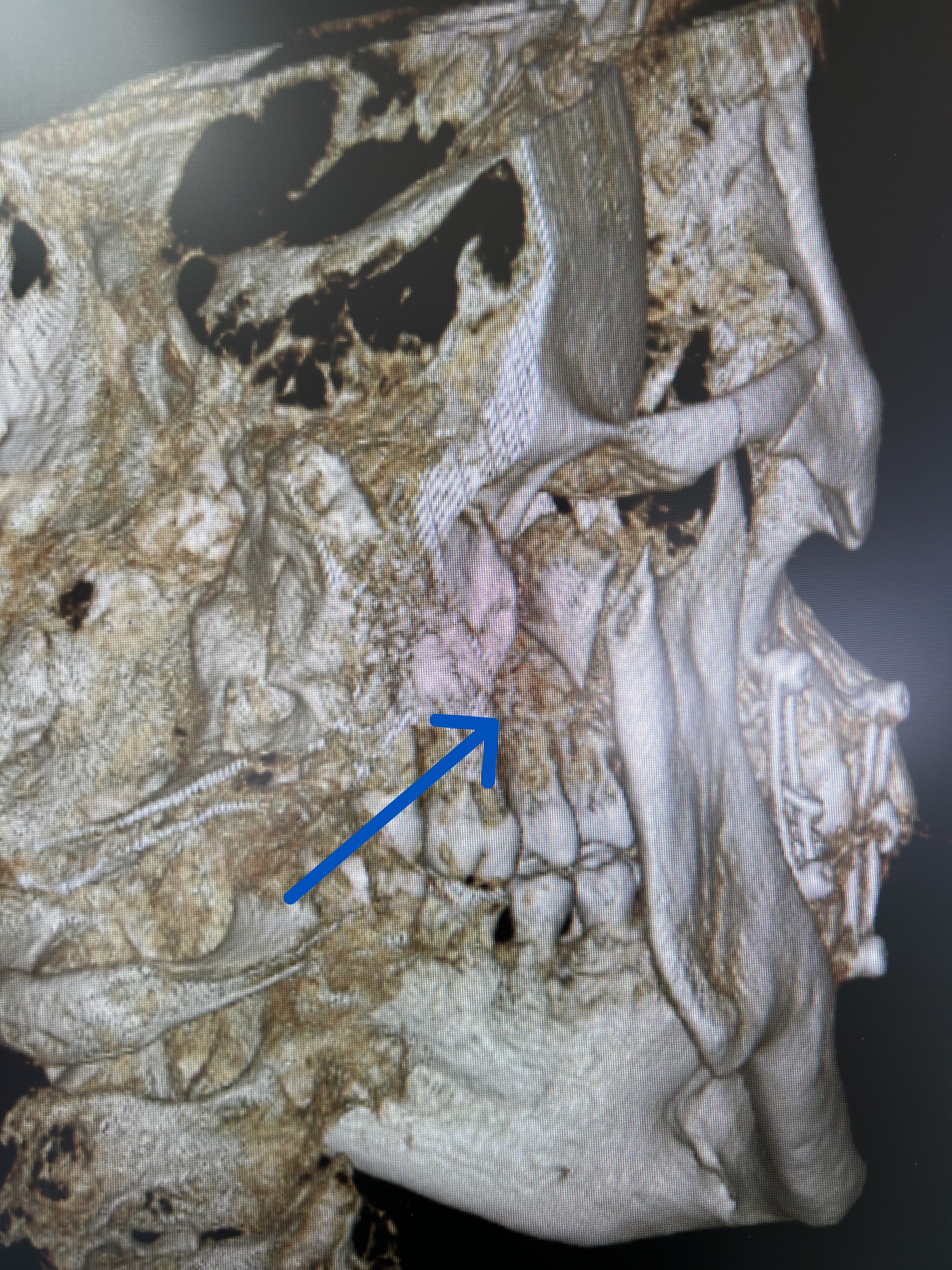
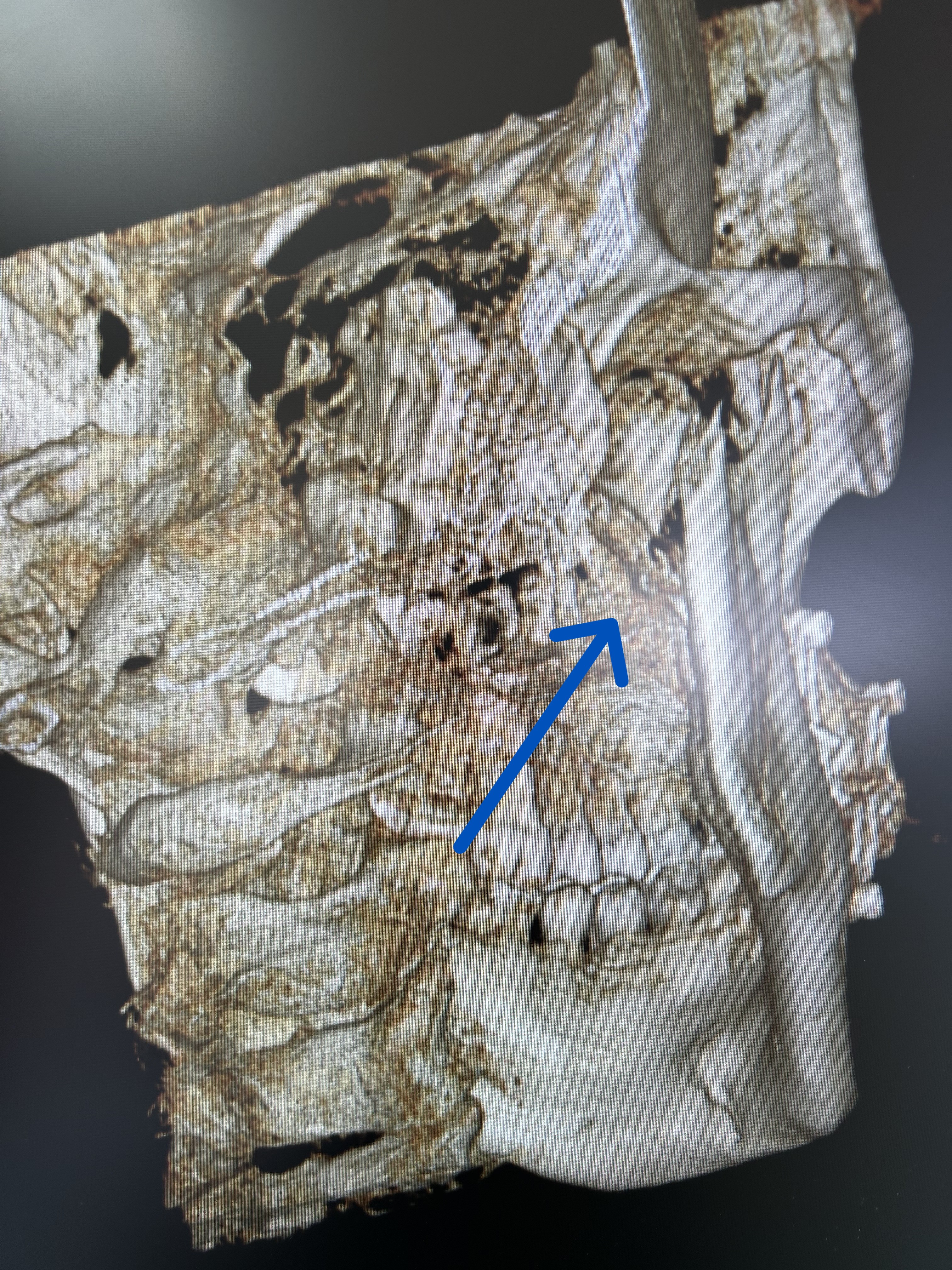
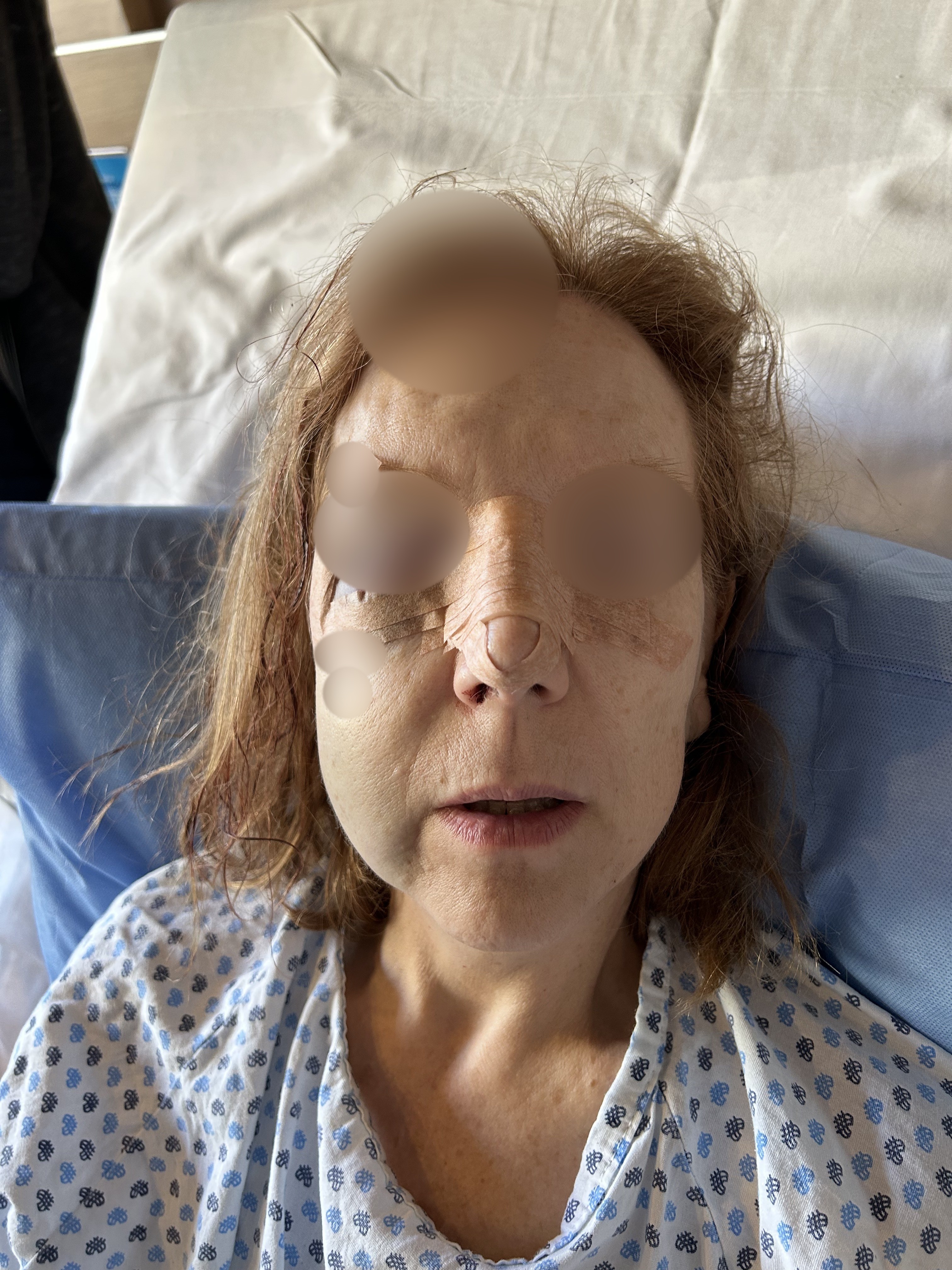
Post-surgical assessment (24 hours)
Post-surgical assessment 24 hours after surgery, evaluating speech and ensuring there is no facial nerve injury after surgery.